Connect with us

articles

Analysis of Ancient Sculptures in the Jain Temples of Nainagiri

Published

on

Analysis of Ancient Sculptures in the Jain Temples of Nainagiri
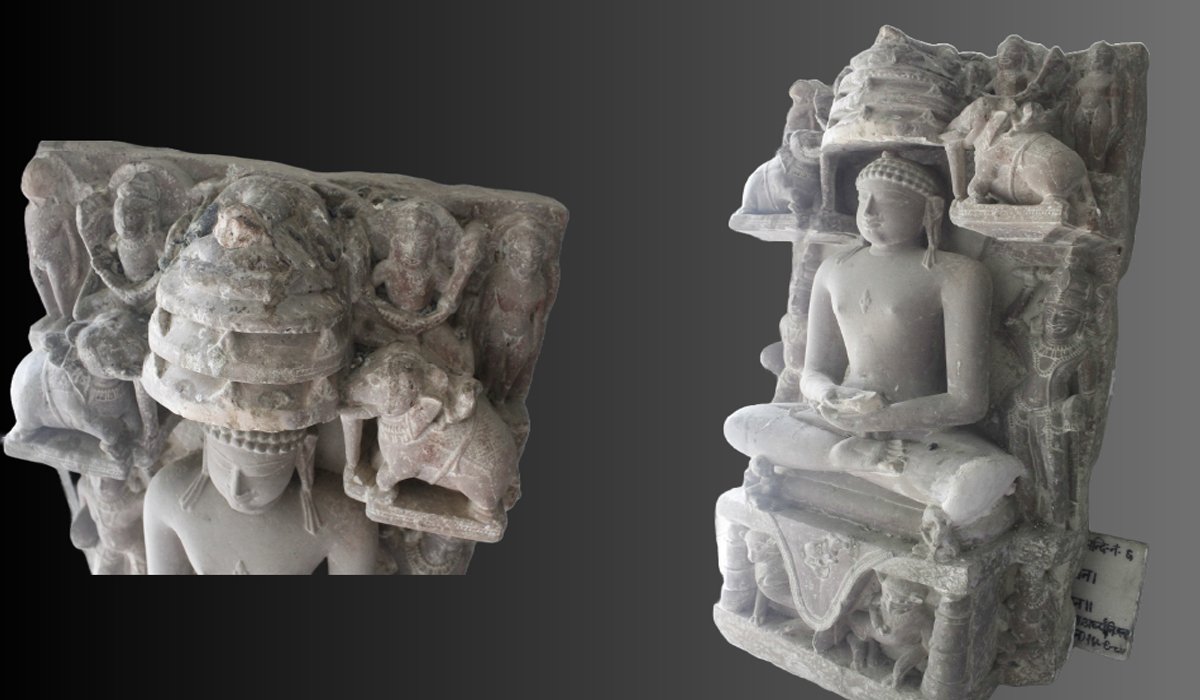
The Jain temples of Nainagiri preserve a rich corpus of ancient sculptures that illuminate both religious devotion and regional artistic traditions in central India. These images, carved predominantly in sandstone and marble, represent major Tirthankaras and attendant deities, and together they chart a long history of patronage at this sacred hill site.

The Sacred Landscape of Nainagiri

Nainagiri, also known as Reshandigiri, is located in Chhatarpur district of Madhya Pradesh at approximately 24°9′ N and 79°7′ E, with an elevation of about 470 meters. Nestled within the Vindhyan ranges, the site lies in the ecological zone of Panna National Park and the Baxwaha Forest Reserve, on the northern bank of the Semra Pathara river, a tributary of the Beban.

The hill is revered as the liberation ground of five munis, which enhances its religious significance within the Jain tradition. Archaeological indicators link the region to the Mesolithic age, while the surviving temples and sculptures testify to continued patronage over many centuries.

Iconography at Nainagiri Hill Jain Temple

The Nainagiri Hill Jain Temple complex houses several important images of Tirthankaras, each displaying distinctive iconographic features. These sculptures encode theological concepts through posture, attributes, attendant figures, and emblematic animals known as lanchhanas.

The image of Adinath in temple number 8 is carved in sandstone with dimensions of approximately 78 x 44 x 20 centimeters. Vidhyadharas appear at the top corners, elephants perform abhisheka to symbolize the supremacy and honor accorded by all beings, while attendants flank the Jina, with a bull at the lanchhana and a lion on the pedestal.

Parshvanath images housed in temple number 37, also in sandstone, show snake hood and tail at the lanchhana, with parikar forms that are curved, rectangular, or absent, yet otherwise share similar compositional elements with the Adinath image.

Sculptures in the Siddha Temple

Within the Siddha Temple, multiple sculptures extend the iconographic range of the site. These include further depictions of Adinath, other unidentified Tirthankaras, and a striking seated Parshvanath.

One sandstone image of Adinath, measuring about 128 x 27 x 21 centimeters, features both simple and decorated halos, a trijata hairstyle with multiple locks, and chauri-bearer attendants, preserving the same core elements observed in the hill temple image. Another Tirthankara in kayotsarga posture, also in sandstone and measuring roughly 106 x 43 x 25 centimeters, lacks a visible lanchhana but shows multiple hair locks that may suggest an identification with Adinath.

The Parshvanath image in this temple is characterized by a smiling face, seated padmasana posture on a snake, elongated ears, and a seven-headed snake hood, with an inscription in Nagiri script adding epigraphic interest. A related composition, “Parshvanath and Attendant,” measuring about 88 x 43 x 23 centimeters, shows a five-headed snake hood, tri-chattra, elephants flanking the Jina, two small attendants near the legs, a beautiful attendant in tribhanga, and a lion at the pedestal.

Images from the Library Depository

The library depository at Nainagiri preserves additional sculptures that broaden the understanding of local devotional practices. These include representations of Tirthankaras as well as attendant deities such as Ambika and Gomedh.

An image of Ajitnath, measuring approximately 103 x 27 x 21 centimeters, presents the Jina in kayotsarga posture with vidhyadharas above, tri-chattra, elephants performing abhisheka, elongated ears, a thick upper lip, attendants in tribhanga, an elephant as lanchhana, and lions on the pedestal. The Ambika sculpture, around 99 x 32 x 27 centimeters, shows the goddess in sambhanga posture with a five-hooded snake, plump body, necklace, armband, katiband, uttariya, anklet, and a child in her arms, revealing a rich treatment of jewelry and maternal imagery.

A composite sandstone panel of Gomedh and Ambika, measuring about 98 x 61 x 21 centimeters, depicts the figures in ardhapriyanka posture. Smaller Tirthankara images include a white marble Chandraprabhu (44 x 34 x 17 centimeters) seated in padmasana with a moon symbol on the pedestal, and a black marble Tirthankara (16 x 12 x 4 centimeters) lacking a clear lanchhana, possibly reflecting either damage or a more aniconic intention.

Major Tirthankara Images and Stylistic Observations

Two large sculptures, one of Adinath and one of Parshvanath, stand out for their scale and refined workmanship. These images embody the culmination of iconographic conventions observed elsewhere in the complex.

The large sandstone Adinath, measuring about 150 x 78 x 41 centimeters, is seated in padmasana on a decorated pedestal in dhyana mudra, with a well-carved prabhamandal behind the head, a srivatsa symbol on the chest, and a bull as lanchhana, marking a complete and canonical representation. The Parshvanath image, around 61 x 41 x 23 centimeters, shows the Jina in padmasana with dhyana mudra, hair locks touching the shoulders, srivatsa motif, and a multi-headed naga canopy above, with a chipped left knee that records the passage of time and the vulnerability of stone icons.

Taken together, the sculptures of Nainagiri reveal a sophisticated visual language that integrates posture, gesture, attendants, and animal emblems into a coherent theological program. The continuity of iconographic themes across temples and centuries underscores the sustained patronage of Jain communities at this sacred hill site, while local stylistic variations enrich the broader history of Jain art in central India.

articles

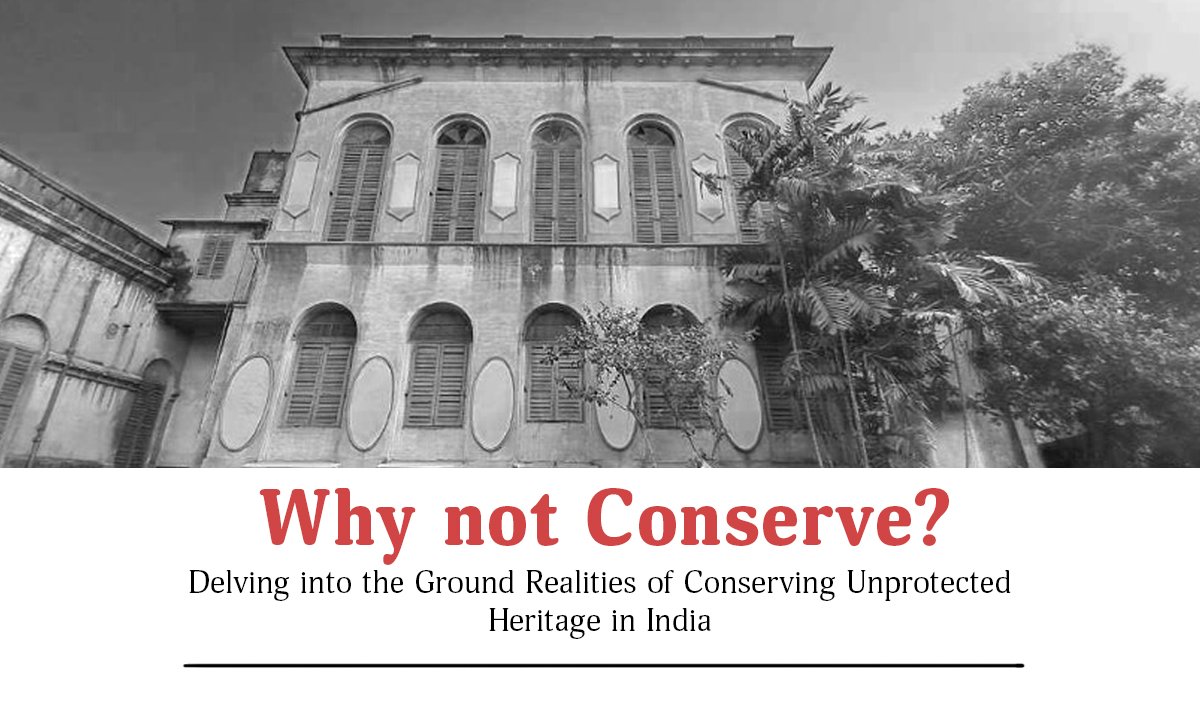
Why not Conserve? Delving into the Ground Realities of Conserving Unprotected Heritage in India
Published

on

By

About the Article Author - Protyoy Sen

Protyoy Sen is an architect, currently pursuing his Masters in Building Conservation at the Welsh School of Architecture, Cardiff University. Having graduated from CEPT University Ahmedabad in 2023, his primary interest lies in the tangible values of conserving heritage, incentivisation for its stakeholders, and aligning conservation with broader goals of urban planning and sustainability. He believes that the potential of heritage in creating a rooted economy is currently underutilised in India, and attributes his passion to the architectural legacy of his hometown, Calcutta. His earlier research delved into the practical challenges of conserving heritage buildings, and its quantifiable benefits for the society.

Protyoy also has over two years of experience in the industry, having worked with Indian heritage bodies such as INTACH and DRONAH. His work, during this time, included projects with private clients, Archaeological Survey of India (ASI), and State Archaeology and Tourism departments.

Continue Reading

articles

Prayagraj and Its Sacred Glory (Prayāga Māhātmya)

Published

on

By

About the Article Author - Jitendra Tiwari

Jitendra Tiwari is a committed educator and cultural practitioner devoted to the service of Bharat through the revival and application of its eternal civilizational wisdom. His work consciously integrates education, heritage conservation, and sustainable rural development, aiming to harmonize tradition with meaningful service to society.

He served for five years as Headmaster at Govardhan Gurukul, Govardhan Eco Village, where he was deeply involved in value-based education, character formation, and community development initiatives. At present, he teaches Mathematics and English at a Gurukul in Parmanand Ashram, Prayagraj. His teaching journey—spanning Prayagraj and earlier experience in Mumbai—has strengthened his resolve to nurture disciplined, holistic learning among students, shaping them into responsible future leaders of society and the nation.

Through the Sri Adishankaracharya Foundation, he actively works to promote Panchgavya-based organic farming, cow protection, farmer and artisan empowerment, and digital documentation of Bharat’s rich heritage. He also curates heritage walks in Prayagraj and develops educational modules and guidebooks grounded in the region’s sacred history and cultural legacy.

Deeply inspired by the teachings of great Acharyas—especially Jagadguru Shankaracharya Swami Nishchalanand Saraswati Maharaj—Jitendra Tiwari views his life’s work as a humble offering toward the protection, propagation, and lived practice of Bharat’s cultural and spiritual heritage.


Continue Reading

articles

Sangam and Kumbh Mela in Bengal: The Sacred Legacy of ‘Dakshin Prayag’ Tribeni

Published

on

By

About the Article Author - Pallab Mondal

Pallab Mondal is an independent researcher and columnist with a keen interest in cultural and social issues. A committed cultural and social activist, his work focuses on engaging with society through research, writing, and grassroots perspectives. He holds an MA in Social Work from Rabindra Bharati University, which informs his analytical approach and active involvement in social and cultural discourse.


Continue Reading

Trending

Designed by ihar © 2025