Connect with us

articles

Archaeological Wealth of Sirsee Village

Published

on

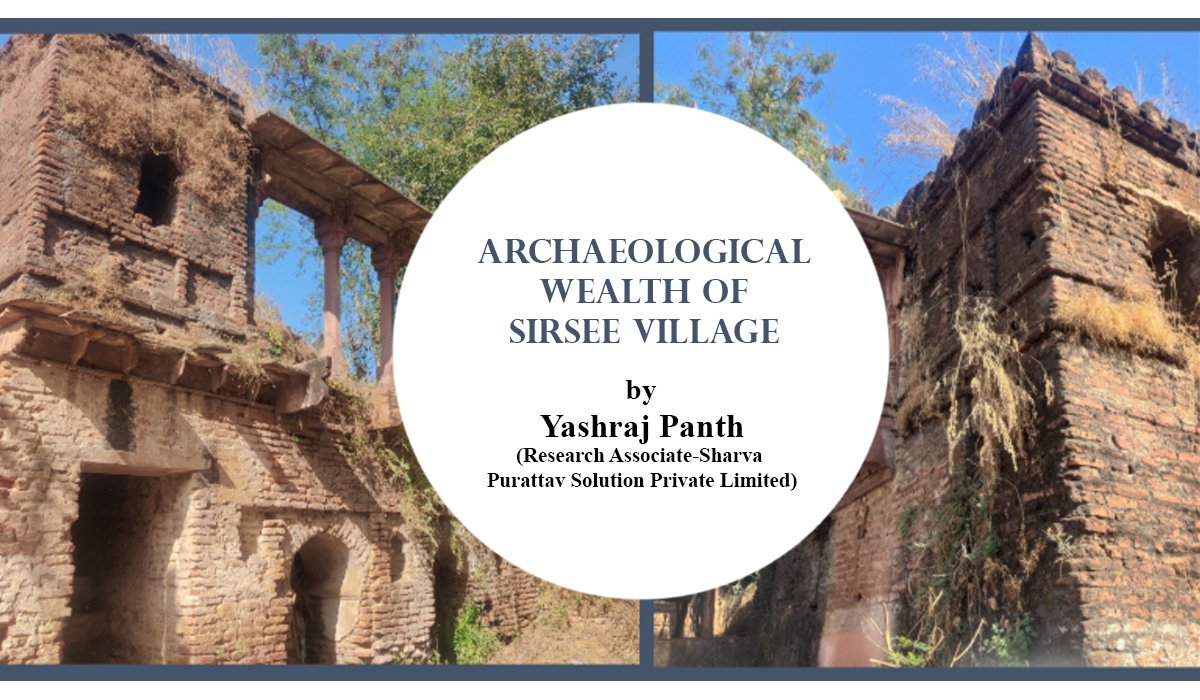
Sirsee Village in Lalitpur district, Uttar Pradesh, reveals a treasure trove of archaeological remains spanning centuries. This small settlement, rich in sculptures, hero stones, temple fragments, and a moated fort, connects to broader historical networks of the Gupta, Gurjara-Pratihara, and Bundela periods. Recent documentation highlights its untapped potential for understanding regional cultural continuity.

Location and Context
Sirsee lies 28 km from Lalitpur, 54 km from Deogarh, 10 km from Siron Khurd (ancient Siyadoni), and 24 km from Talbehat. Nestled amid key historical centers from the Gupta (4th-6th century CE) and post-Gupta eras, it sits near trade routes like the Jhansi-Bhopal path. Nearby Siyadoni, founded in the Gurjara-Pratihara period (8th-11th century CE), underscores Sirsee’s role in economic and cultural exchanges.

Archaeological Sites
Researchers identified seven key locations with artifacts, many in deteriorated states yet revered by locals.

Site 1: Features a hero stone and temple members, hinting at martial commemorations and religious structures.

Site 2: Includes a fort with Surya and Ganesha sculptures, Bundela-style jharokha (balcony), and a temple complex encircled by a moat.

Site 3: Hosts a Mahishasur Mardini (Durga slaying the buffalo demon) sculpture and mural paintings.

Site 4: Contains broken sculptures, an inscription, hero-stone fragments, and a Hanuman figure near temple ruins.

Site 5: Displays additional broken sculptures and ruins, possibly linked to later shrines.

Site 6: Encompasses another temple complex with structural remnants.

Site 7 (implied): Sati stambha (memorial pillars) and further fragments, indicating post-medieval practices.

Satellite imagery from Google Earth (2025 Airbus and Maxar) maps these sites, showing the fort’s scale (up to 200m) and strategic layout.

Key Artifacts
Sculptures dominate, including broken icons of deities like Mahishasur Mardini, Surya, Ganesha, and Hanuman, often in black stone or similar material. Hero stones and sati stambhas suggest battles and sati rituals, common in medieval India. Inscriptions, though fragmented, may reveal patronage or events, while temple fragments point to Shaivite or Vaishnavite worship. Bundela-style elements, like jharokhas, link to 16th-18th century Rajput architecture in Bundelkhand.

Historical Significance
Earliest occupation likely dates to the 11th-12th century CE, based on sculptural styles, though proximity to Gupta sites suggests earlier influences. The fort implies defensive needs, possibly tied to trade route conflicts or regional power struggles. Hero stones evoke battles, aligning with Pratihara-era warfare, while the moat and location near Siyadoni indicate a trade or worship hub. Continuity persists as villagers worship these relics, blending ancient heritage with living tradition.

Research Questions
The presentation raises critical queries: What defines Sirsee’s occupation timeline? Why build a fort here? Did trade or pilgrimage drive its prominence? Evidence of wars? Connections to Gupta, Pratihara, or Bundela rulers? No systematic study exists, urging documentation to trace settlement origins and evolution. Yashraj Panth, Research Associate at Sharva Purattav Solution Private Limited, calls for further exploration.

Sirsee embodies Bundelkhand’s layered past, from medieval sculptures to Bundela forts, demanding preservation and study.

articles

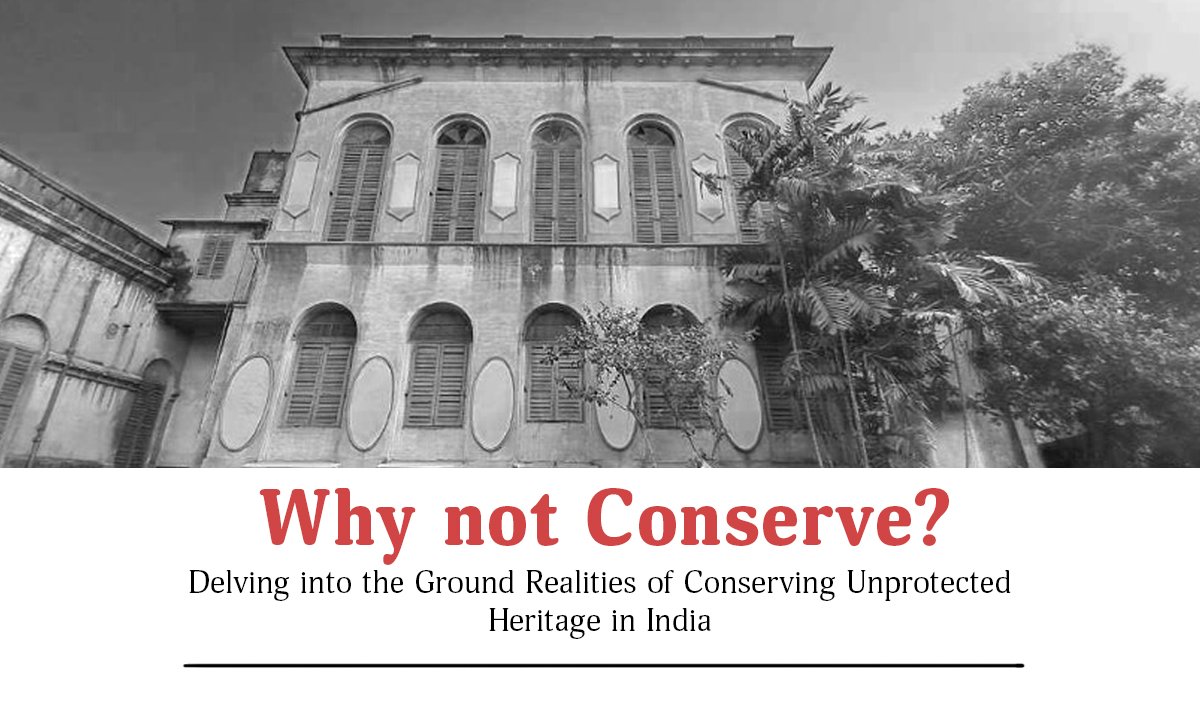
Why not Conserve? Delving into the Ground Realities of Conserving Unprotected Heritage in India
Published

on

By

About the Article Author - Protyoy Sen

Protyoy Sen is an architect, currently pursuing his Masters in Building Conservation at the Welsh School of Architecture, Cardiff University. Having graduated from CEPT University Ahmedabad in 2023, his primary interest lies in the tangible values of conserving heritage, incentivisation for its stakeholders, and aligning conservation with broader goals of urban planning and sustainability. He believes that the potential of heritage in creating a rooted economy is currently underutilised in India, and attributes his passion to the architectural legacy of his hometown, Calcutta. His earlier research delved into the practical challenges of conserving heritage buildings, and its quantifiable benefits for the society.

Protyoy also has over two years of experience in the industry, having worked with Indian heritage bodies such as INTACH and DRONAH. His work, during this time, included projects with private clients, Archaeological Survey of India (ASI), and State Archaeology and Tourism departments.

Continue Reading

articles

Prayagraj and Its Sacred Glory (Prayāga Māhātmya)

Published

on

By

About the Article Author - Jitendra Tiwari

Jitendra Tiwari is a committed educator and cultural practitioner devoted to the service of Bharat through the revival and application of its eternal civilizational wisdom. His work consciously integrates education, heritage conservation, and sustainable rural development, aiming to harmonize tradition with meaningful service to society.

He served for five years as Headmaster at Govardhan Gurukul, Govardhan Eco Village, where he was deeply involved in value-based education, character formation, and community development initiatives. At present, he teaches Mathematics and English at a Gurukul in Parmanand Ashram, Prayagraj. His teaching journey—spanning Prayagraj and earlier experience in Mumbai—has strengthened his resolve to nurture disciplined, holistic learning among students, shaping them into responsible future leaders of society and the nation.

Through the Sri Adishankaracharya Foundation, he actively works to promote Panchgavya-based organic farming, cow protection, farmer and artisan empowerment, and digital documentation of Bharat’s rich heritage. He also curates heritage walks in Prayagraj and develops educational modules and guidebooks grounded in the region’s sacred history and cultural legacy.

Deeply inspired by the teachings of great Acharyas—especially Jagadguru Shankaracharya Swami Nishchalanand Saraswati Maharaj—Jitendra Tiwari views his life’s work as a humble offering toward the protection, propagation, and lived practice of Bharat’s cultural and spiritual heritage.


Continue Reading

articles

Sangam and Kumbh Mela in Bengal: The Sacred Legacy of ‘Dakshin Prayag’ Tribeni

Published

on

By

About the Article Author - Pallab Mondal

Pallab Mondal is an independent researcher and columnist with a keen interest in cultural and social issues. A committed cultural and social activist, his work focuses on engaging with society through research, writing, and grassroots perspectives. He holds an MA in Social Work from Rabindra Bharati University, which informs his analytical approach and active involvement in social and cultural discourse.


Continue Reading

Trending

Designed by ihar © 2025