Connect with us

articles

Exploring the Buddha’s Relics: IHAR at Rai Pithora Quila

Published

on

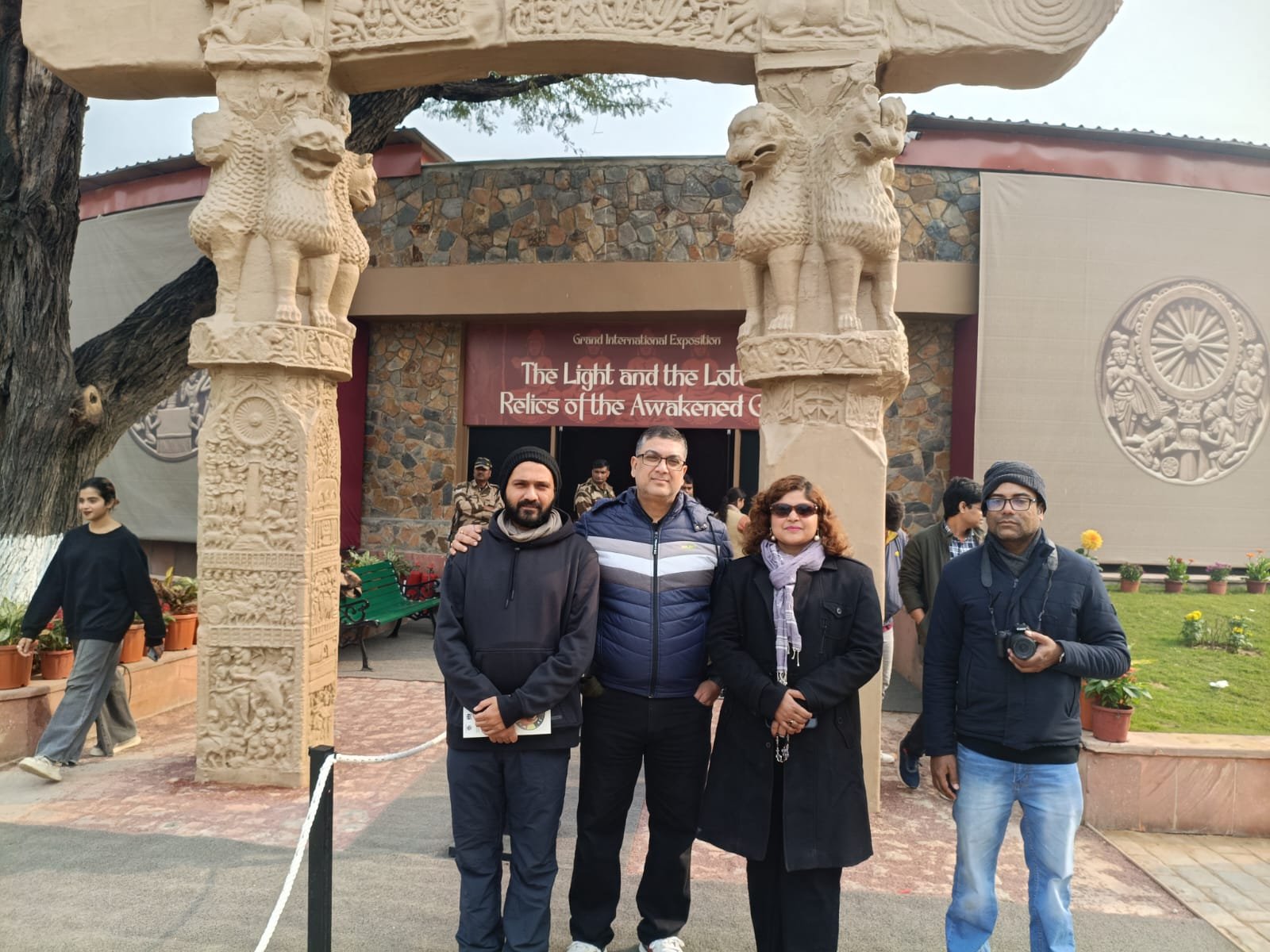
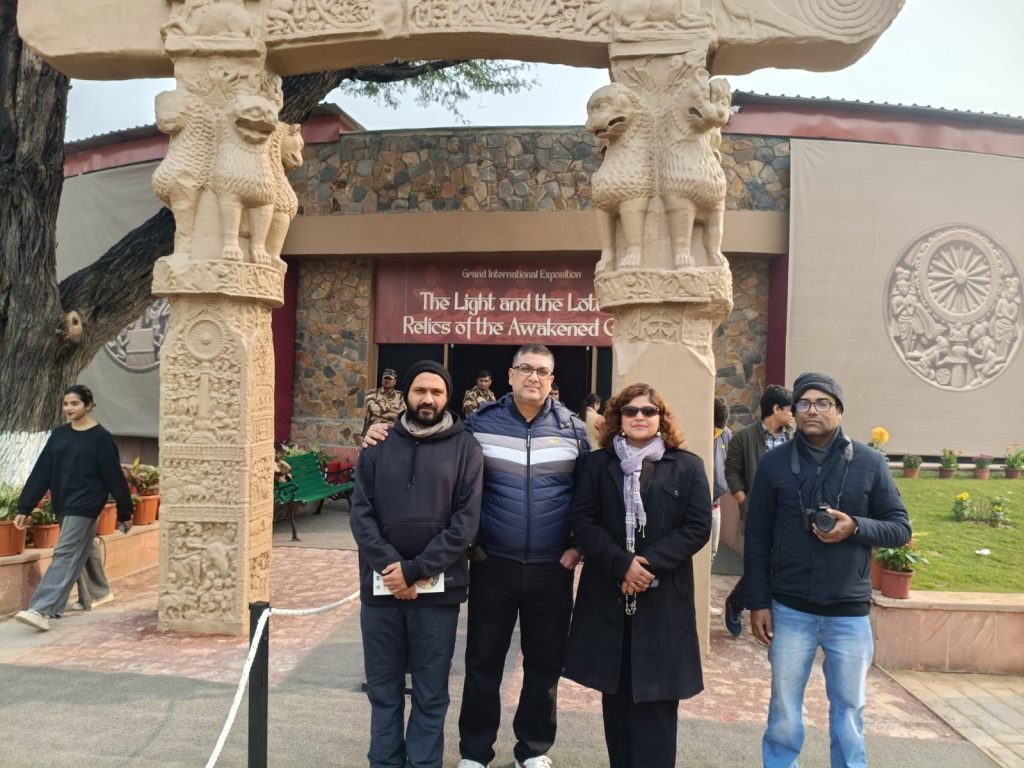
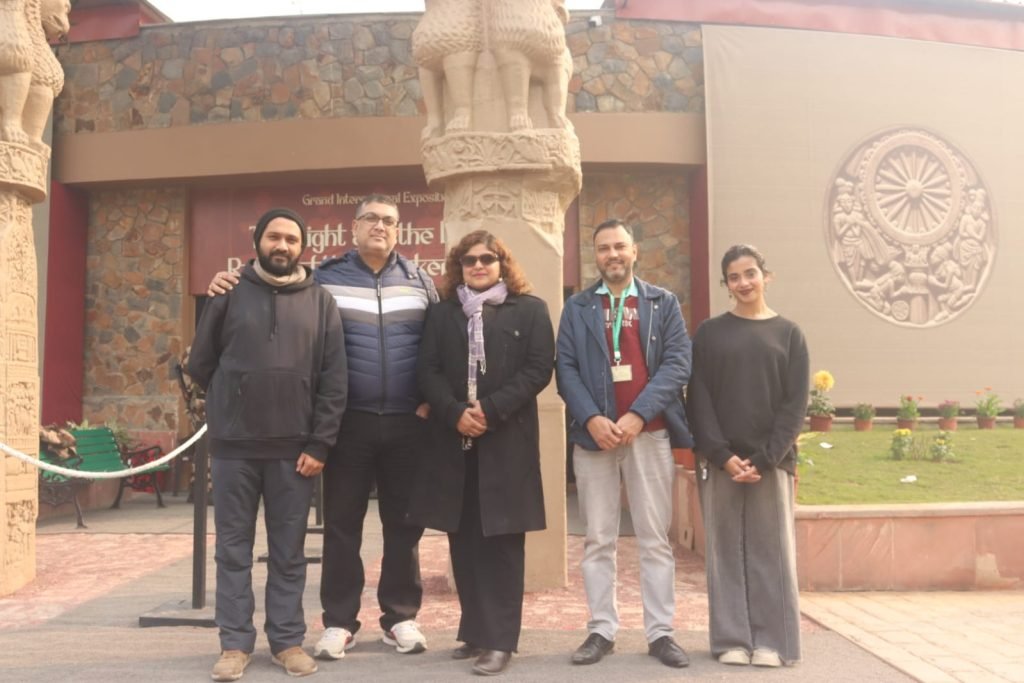
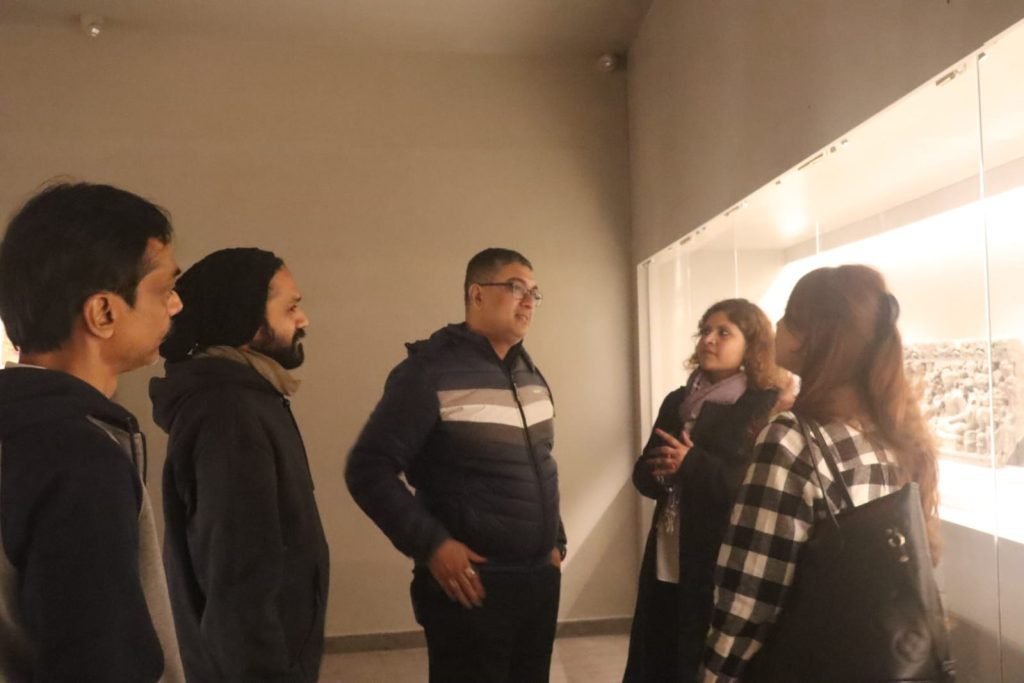
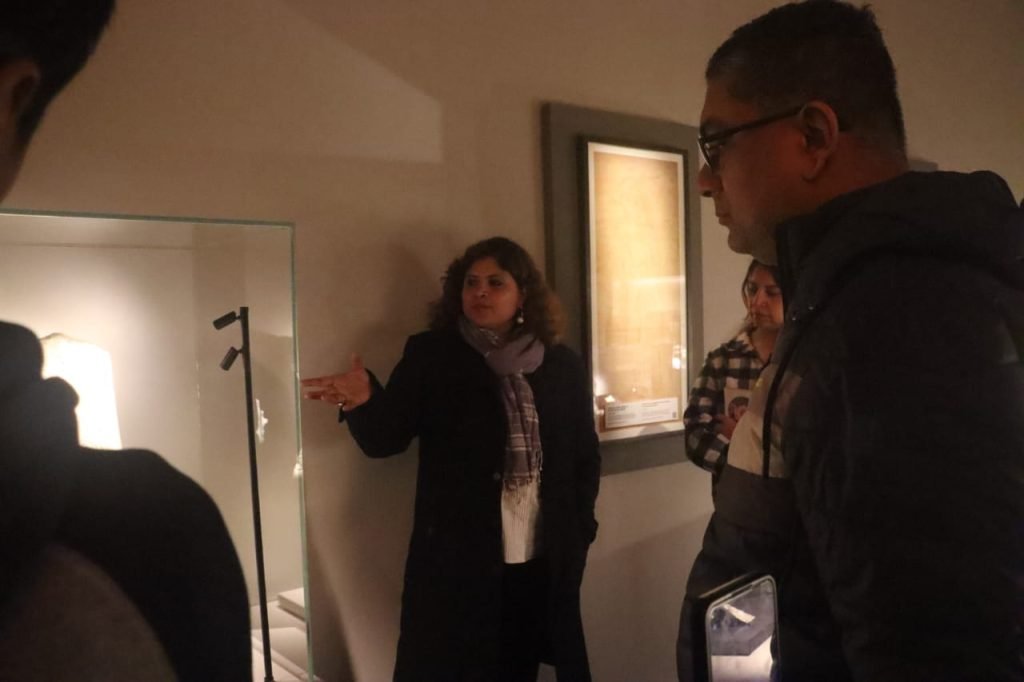
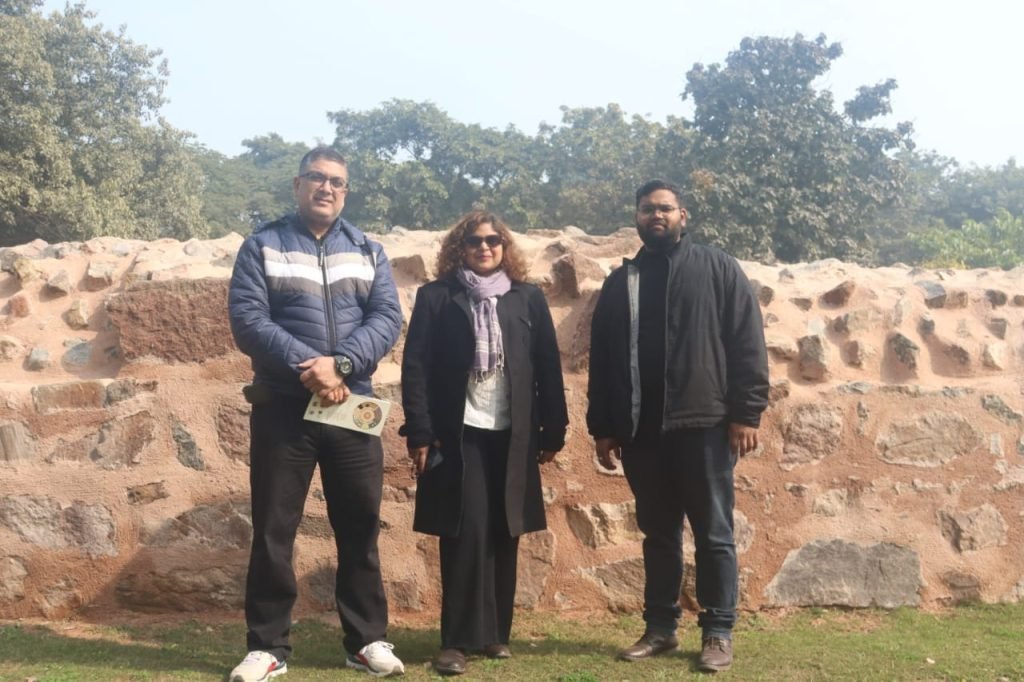
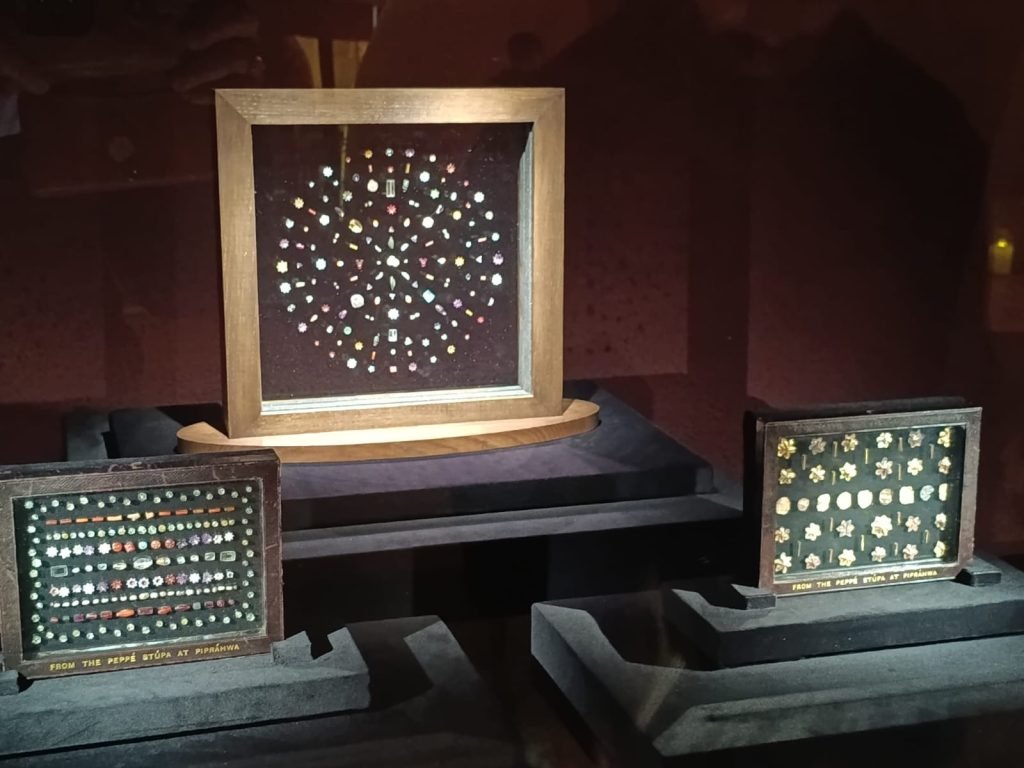
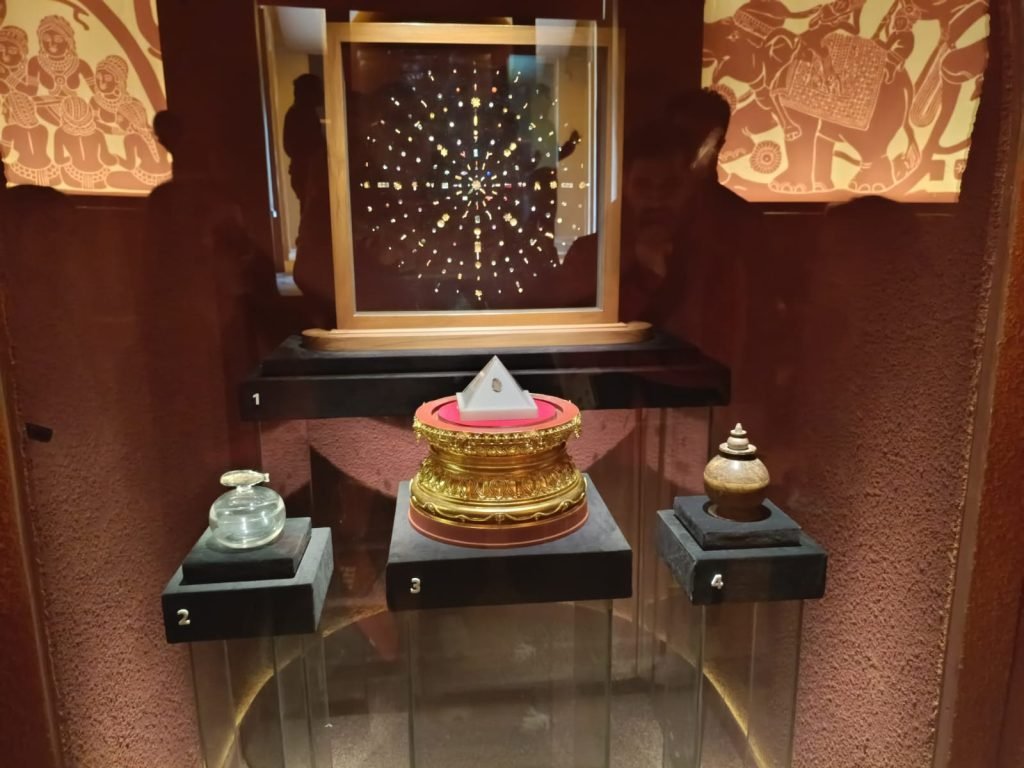
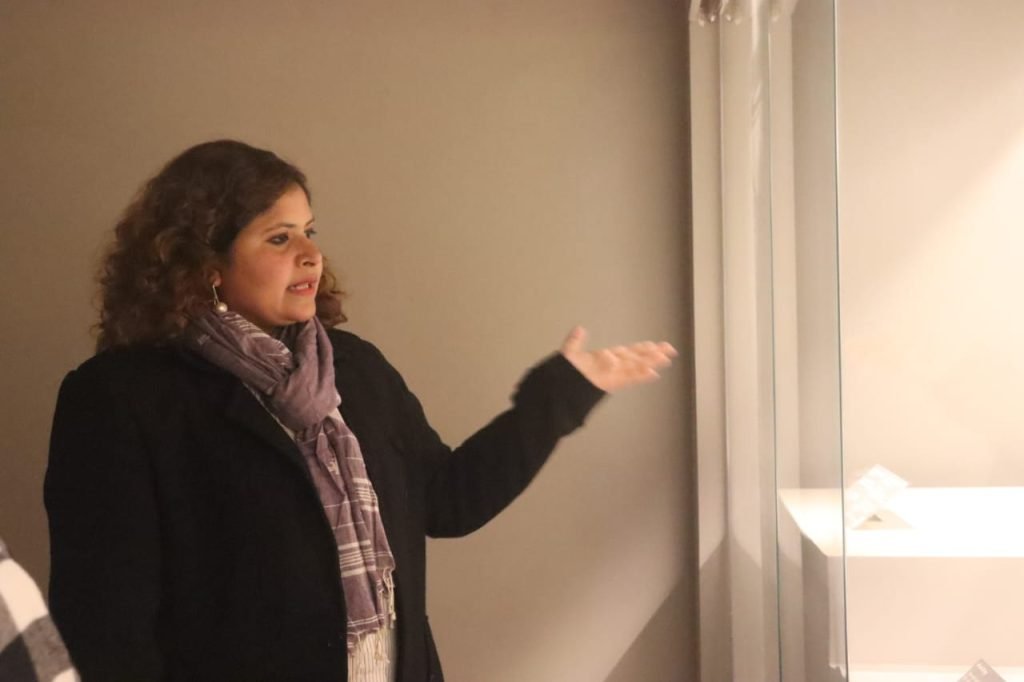
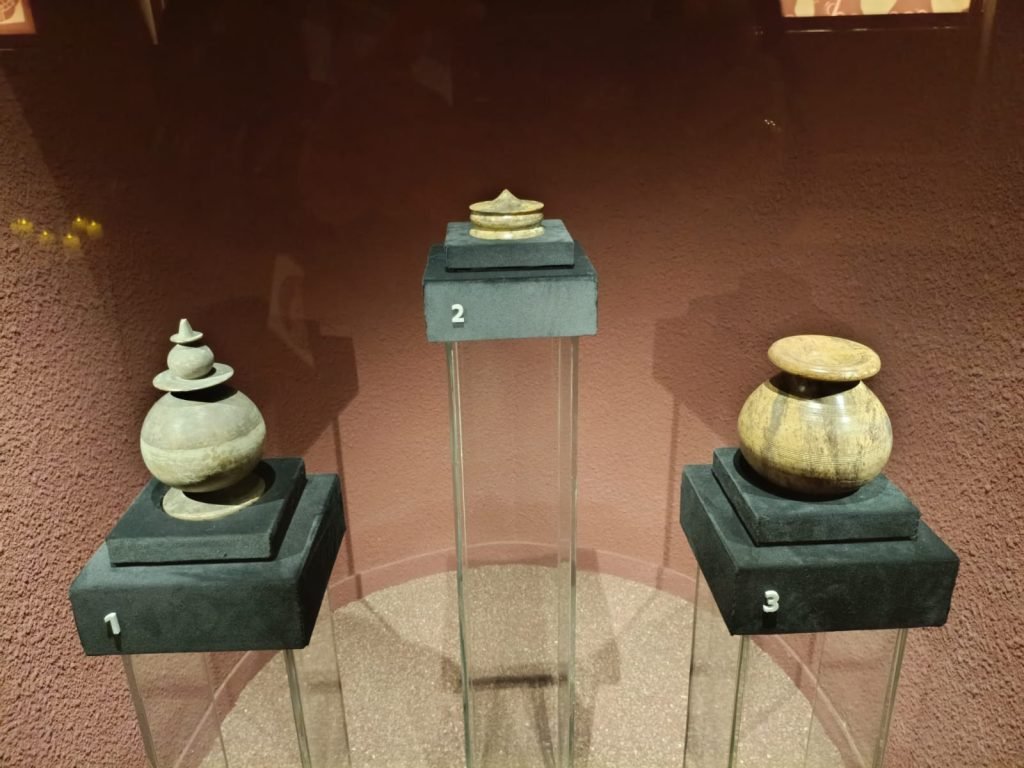
The Indian History Awareness and Research (IHAR) team recently visited the Rai Pithora Quila complex, which is currently hosting a significant exhibition focused on the Pipirawaha discoveries associated with the Buddha’s relics and precious gems. This exhibition marks a landmark initiative by the Ministry of Culture, as it brings together, for the first time, key inventories from both the Indian Museum, Kolkata, and the National Museum, New Delhi.

The central attraction of the exhibition is the Pipirawaha relics and gemstones, presented alongside a detailed archaeological and historical narrative. Visitors are able to understand not only the importance of these relics but also the story of their discovery, excavation, and interpretation over time. The use of high-quality digital displays and archaeological reconstructions makes the presentation engaging and easy to follow for both scholars and the general public.

A major highlight of this exhibition is the collaboration between the Indian Museum and the National Museum. Objects that were earlier displayed separately have now been brought together in a single space, allowing for a more complete understanding of early Buddhist material culture. IHAR expresses its sincere appreciation to Dr Sayan Bhattacharya, Director, Indian Museum for his valuable inputs, which played an important role in making this collaboration possible.

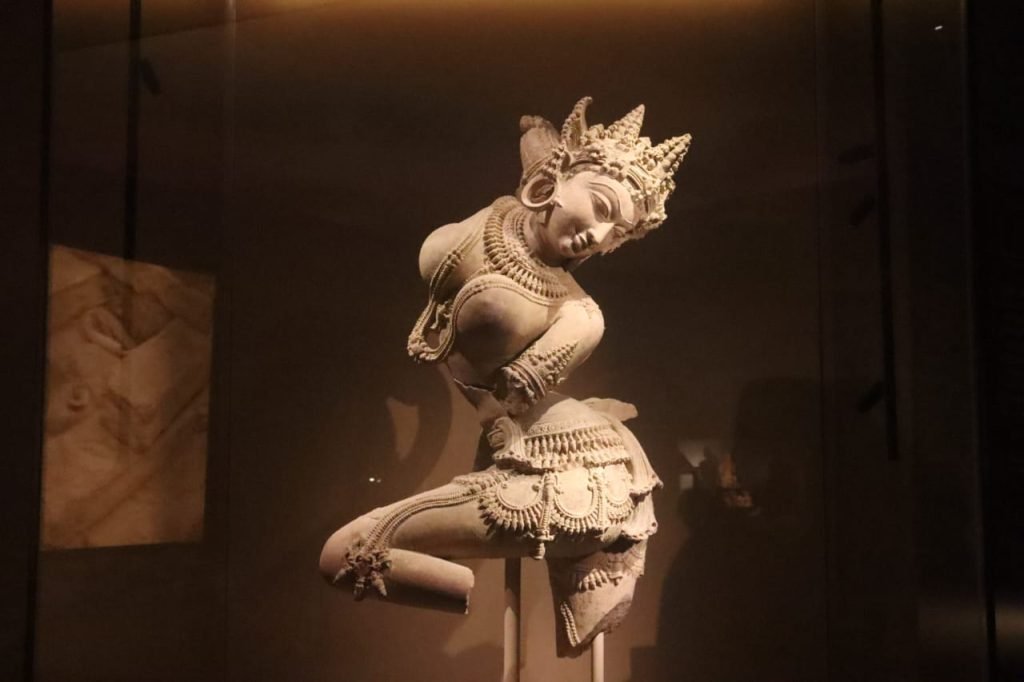
The exhibition also showcases, for the first time in this setting, a wide range of Buddhist iconography and tablets from the National Museum’s collection. These objects demonstrate the development of Buddhist art and symbolism across different periods and regions. Among the most important displays is the famous Nalanda Inscription, which highlights Nalanda’s role as a major centre of learning and its connections with the wider Buddhist world.

Another important aspect of the exhibition is its focus on India’s maritime links with Southeast Asia. Through inscriptions, artefacts, and explanatory panels, the exhibition explains how Buddhist ideas, art forms, and traditions travelled from India to regions such as Southeast Asia via sea routes. This section helps visitors understand Buddhism as a dynamic and expansive tradition shaped by trade, travel, and cultural exchange.

The display of Pala-era manuscripts is another major attraction. These manuscripts include important Buddhist texts, especially versions of the Prajñāpāramitā, and reflect the scholarly and spiritual vibrancy of eastern India during the Pala period. Their inclusion adds a strong intellectual and philosophical dimension to the exhibition, complementing the archaeological displays.

Overall, the exhibition at Rai Pithora Quila presents a well-balanced and thoughtful account of India’s Buddhist heritage. It successfully combines relics, inscriptions, manuscripts, iconography, and digital tools to offer visitors a clear and meaningful understanding of Buddhism’s historical journey within India and beyond.

The IHAR team greatly appreciated the effort taken to present complex historical material in an accessible manner. The exhibition stands out as a model for collaborative museum practice and public history in India.

IHAR is especially proud of the outstanding contribution of its Executive Member, Dr Abira Bhattacharya (Deputy Director Buddhist Gallery, National Museum), whose dedication and expertise played a crucial role in conceptualising and organising this exhibition. Her work reflects IHAR’s broader mission of promoting informed historical research and making India’s rich past accessible to wider audiences.

articles

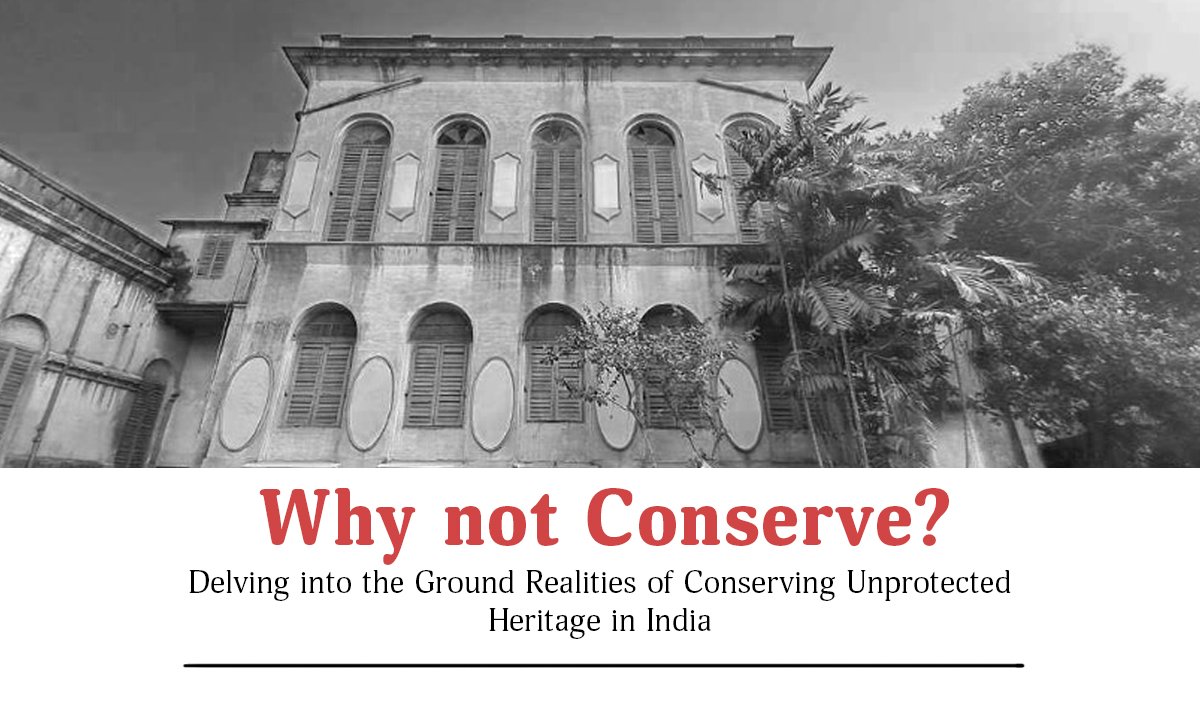
Why not Conserve? Delving into the Ground Realities of Conserving Unprotected Heritage in India
Published

on

By

About the Article Author - Protyoy Sen

Protyoy Sen is an architect, currently pursuing his Masters in Building Conservation at the Welsh School of Architecture, Cardiff University. Having graduated from CEPT University Ahmedabad in 2023, his primary interest lies in the tangible values of conserving heritage, incentivisation for its stakeholders, and aligning conservation with broader goals of urban planning and sustainability. He believes that the potential of heritage in creating a rooted economy is currently underutilised in India, and attributes his passion to the architectural legacy of his hometown, Calcutta. His earlier research delved into the practical challenges of conserving heritage buildings, and its quantifiable benefits for the society.

Protyoy also has over two years of experience in the industry, having worked with Indian heritage bodies such as INTACH and DRONAH. His work, during this time, included projects with private clients, Archaeological Survey of India (ASI), and State Archaeology and Tourism departments.

Continue Reading

articles

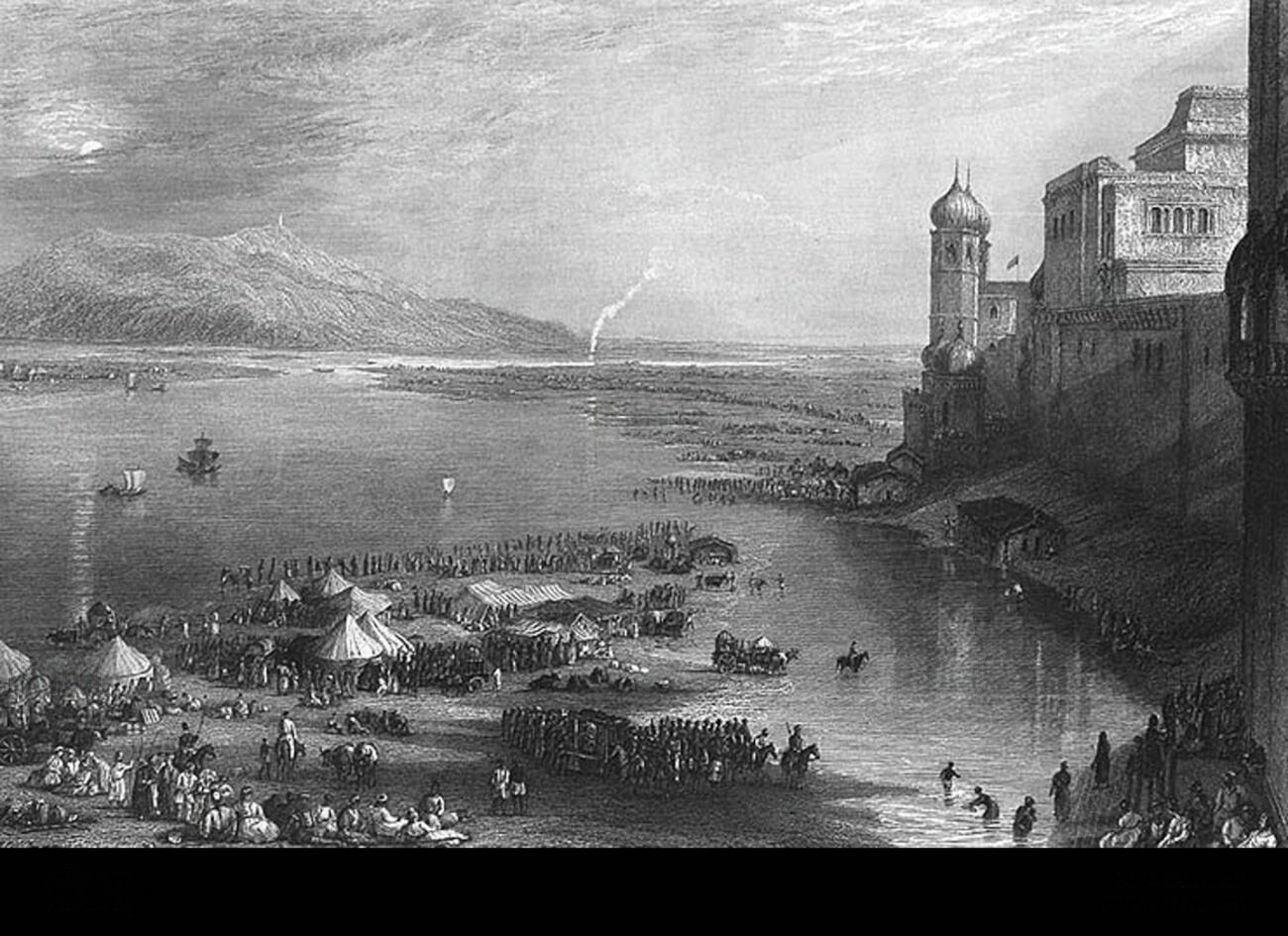
Prayagraj and Its Sacred Glory (Prayāga Māhātmya)

Published

on

By

About the Article Author - Jitendra Tiwari

Jitendra Tiwari is a committed educator and cultural practitioner devoted to the service of Bharat through the revival and application of its eternal civilizational wisdom. His work consciously integrates education, heritage conservation, and sustainable rural development, aiming to harmonize tradition with meaningful service to society.

He served for five years as Headmaster at Govardhan Gurukul, Govardhan Eco Village, where he was deeply involved in value-based education, character formation, and community development initiatives. At present, he teaches Mathematics and English at a Gurukul in Parmanand Ashram, Prayagraj. His teaching journey—spanning Prayagraj and earlier experience in Mumbai—has strengthened his resolve to nurture disciplined, holistic learning among students, shaping them into responsible future leaders of society and the nation.

Through the Sri Adishankaracharya Foundation, he actively works to promote Panchgavya-based organic farming, cow protection, farmer and artisan empowerment, and digital documentation of Bharat’s rich heritage. He also curates heritage walks in Prayagraj and develops educational modules and guidebooks grounded in the region’s sacred history and cultural legacy.

Deeply inspired by the teachings of great Acharyas—especially Jagadguru Shankaracharya Swami Nishchalanand Saraswati Maharaj—Jitendra Tiwari views his life’s work as a humble offering toward the protection, propagation, and lived practice of Bharat’s cultural and spiritual heritage.


Continue Reading

articles

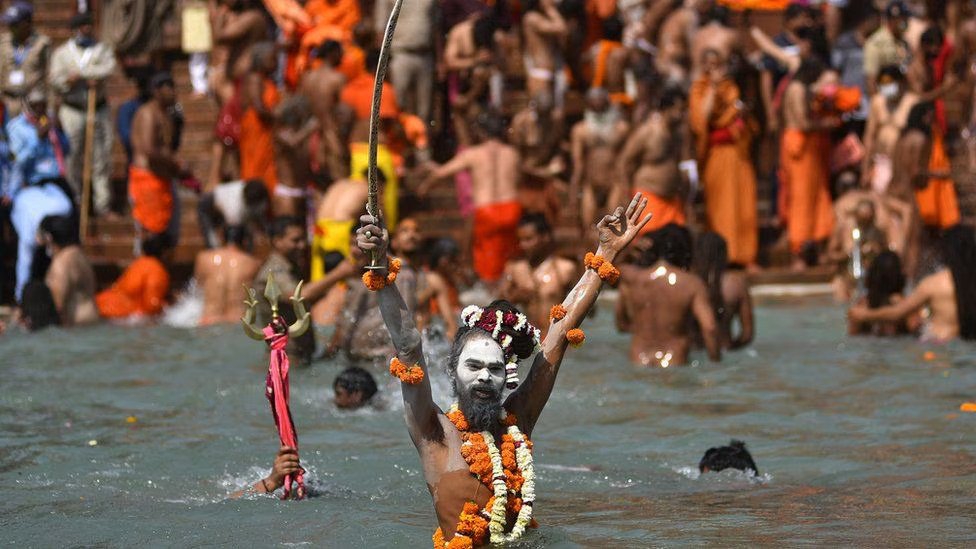
Sangam and Kumbh Mela in Bengal: The Sacred Legacy of ‘Dakshin Prayag’ Tribeni

Published

on

By

About the Article Author - Pallab Mondal

Pallab Mondal is an independent researcher and columnist with a keen interest in cultural and social issues. A committed cultural and social activist, his work focuses on engaging with society through research, writing, and grassroots perspectives. He holds an MA in Social Work from Rabindra Bharati University, which informs his analytical approach and active involvement in social and cultural discourse.


Continue Reading

Trending

Designed by ihar © 2025