Connect with us

articles

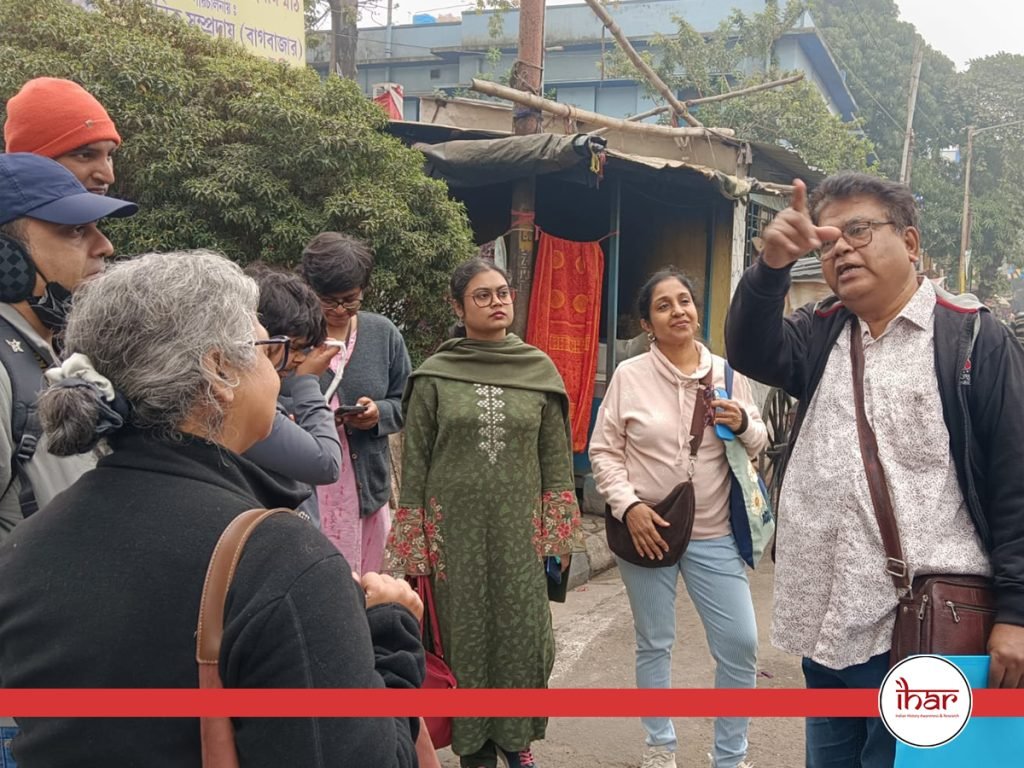
IHAR West Bengal Chapter successfully conducted The Baghbazaar Corridor Heritage Walk

Published

on

The Baghbazaar Corridor Heritage Walk
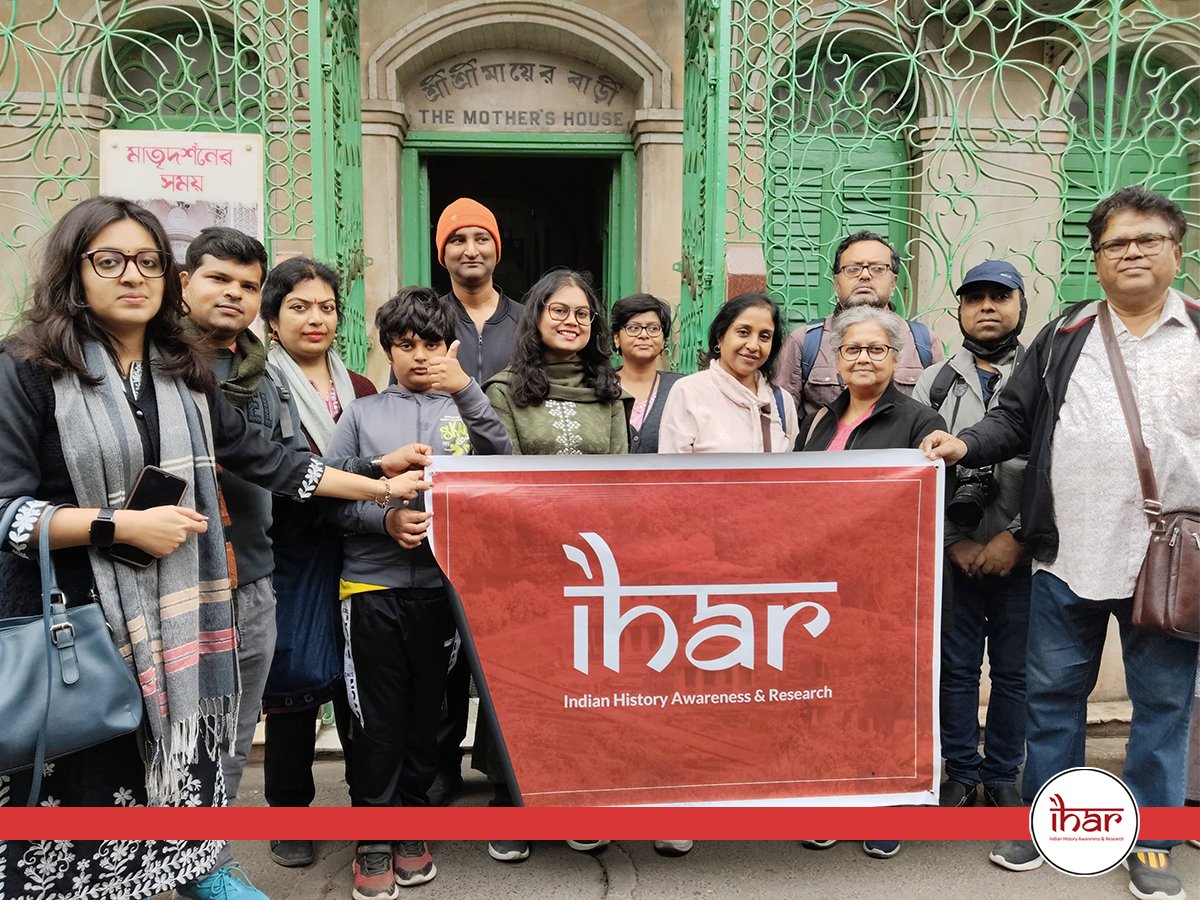
Walk Leader: Sri Samiran Banik

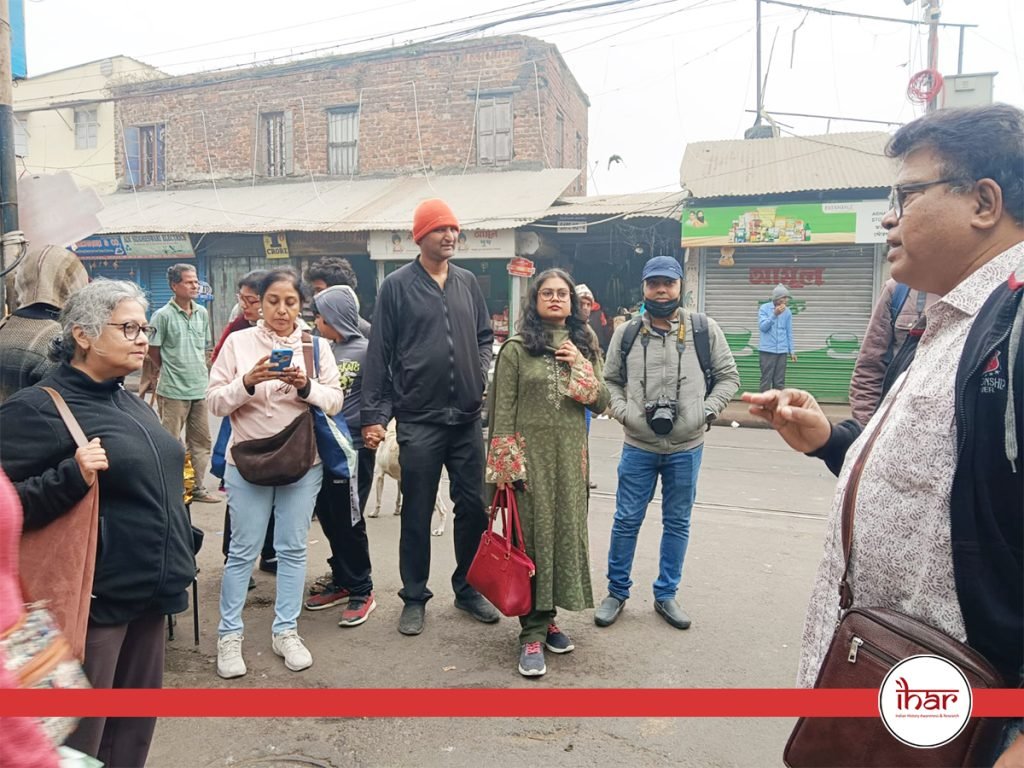
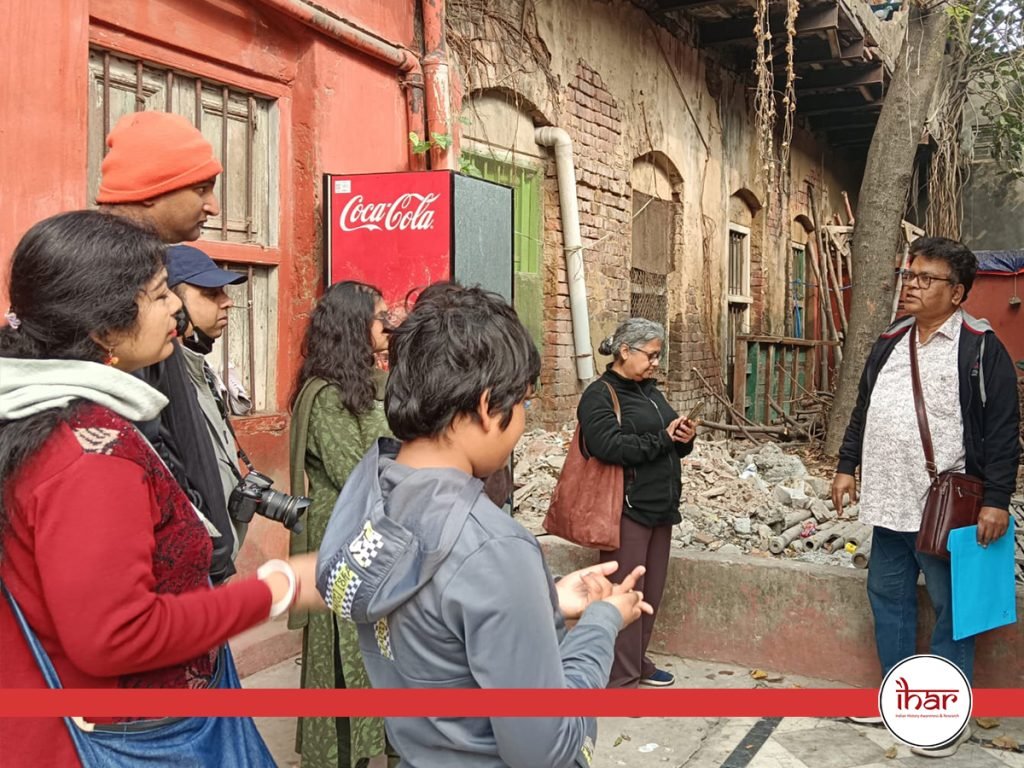
A mist-laden winter morning set the tone for IHAR’s Baghbazaar Corridor Heritage Walk, conducted on Sunday under an overcast sky where the sun remained veiled behind dense fog. Owing to the foggy conditions, a few participants reached the meeting point slightly later than scheduled, resulting in a brief delay of about ten minutes in commencing the walk. This, however, did not affect the overall flow or experience of the walk.

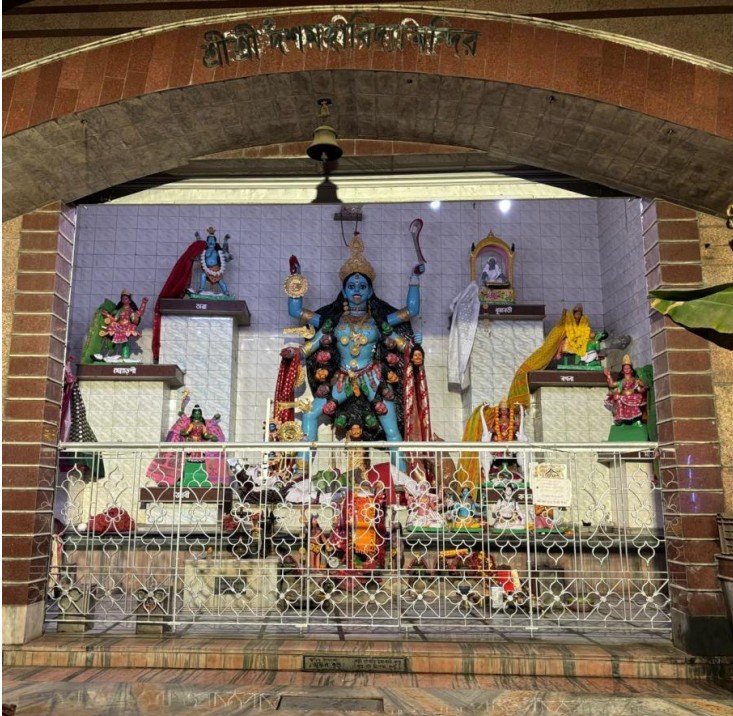
Participants assembled at the Siddheshwari Kali Temple, the designated starting point. The walk formally began after an introductory address by Mouli on behalf of IHAR, followed by a brief contextual note by the walk leader. From here, the group proceeded to the grand Rameshwar Shiva Temple, established by Nandaram Sen and constructed in the traditional atchala style. Beginning the walk with the darshan of Devadidev Sadashiva imparted an auspicious and contemplative beginning to the heritage trail and contributed to its harmonious conclusion.

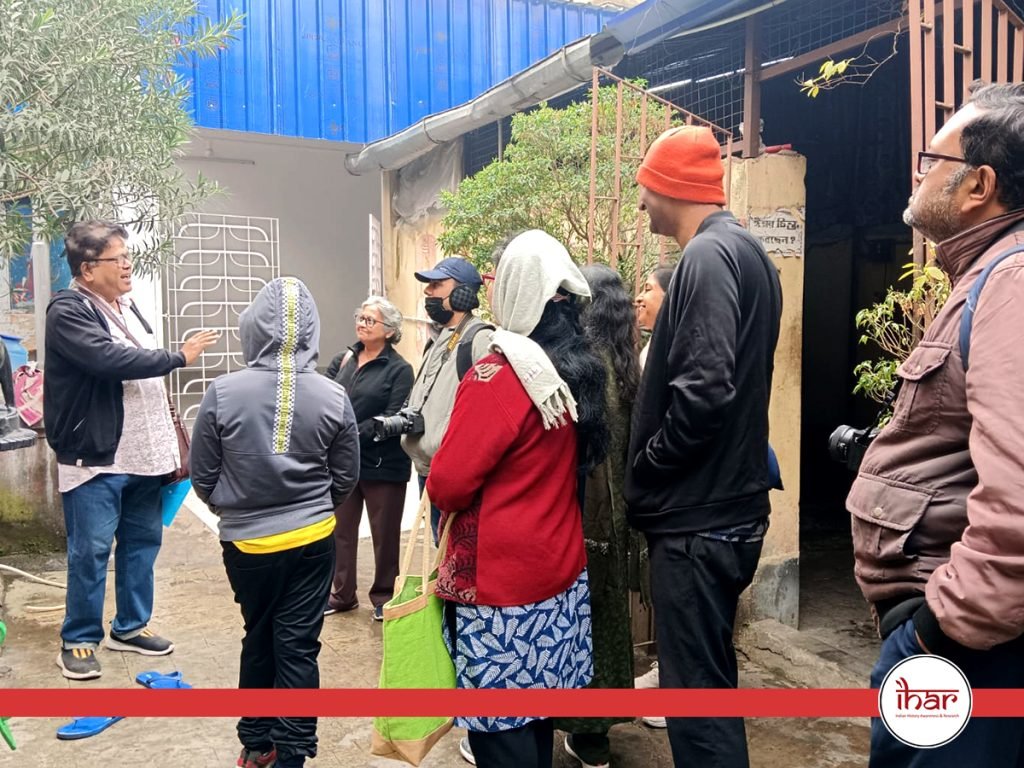
Beyond the planned itinerary, the walk evolved organically with the enthusiastic cooperation of participants, allowing several additional heritage sites to be included along the way—thereby enriching the collective experience.

Key Sites Covered During the Walk:

  • Rameshwar Shiva Temple

  • Chitpur Road, believed to be Kolkata’s oldest road, with an existence dating back nearly 500 years. During early colonial times, this was the only arterial road of the city, now known as Rabindra Sarani.

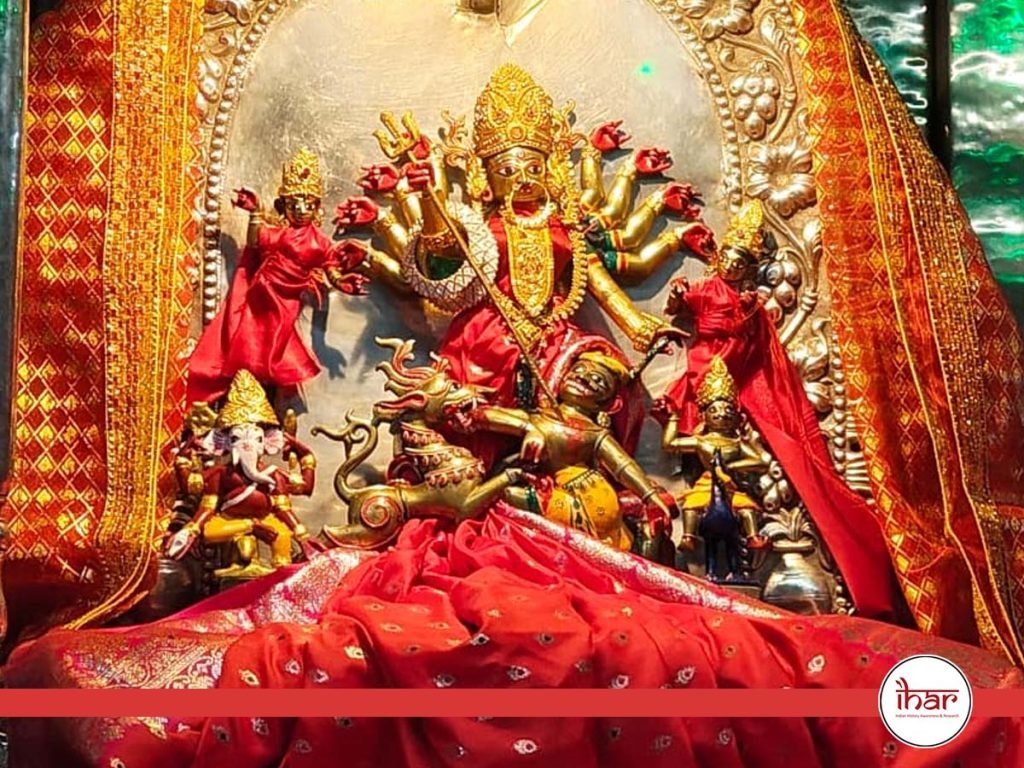
  • Century-old Ashtadhatu Annapurna Temple, notable for its rare metal alloy iconography and enduring ritual traditions.

  • Dhakeshwari Mata Temple

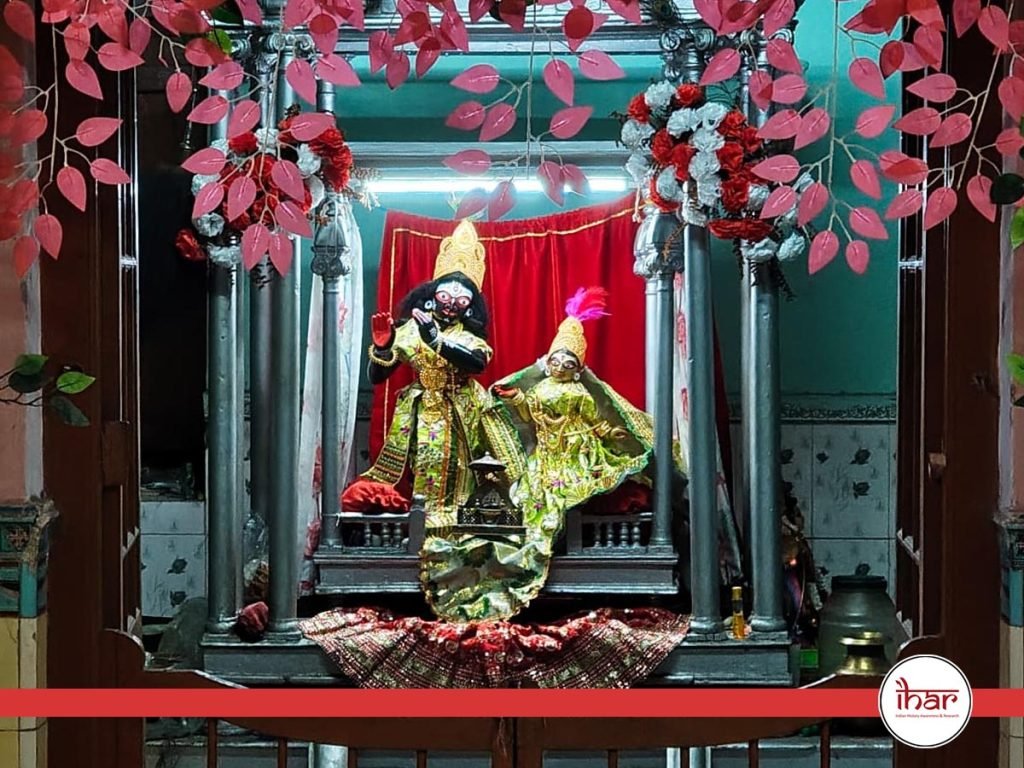
  • Madanmohan Temple and the adjacent Ras Mancha, an important Vaishnava landmark associated with ritual performances and temple-centric community life.

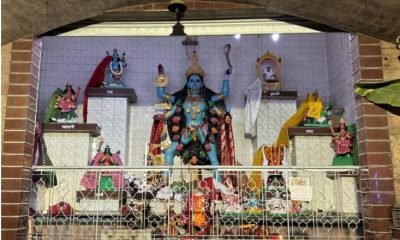
  • Siddheshwari Kali Temple, affectionately known as Baghbazarer Ginni Ma.

  • The Black Pagoda, established in 1730 CE by the prominent Black Zemindar Govindram Mitra, standing as a testament to early colonial-era patronage and Indo-European architectural intersections.

  • Shadbhuj Gauranga Murti, a six-armed image of Sri Chaitanya, believed—based on family traditions—to be nearly 300 years old and carved entirely from neem wood.

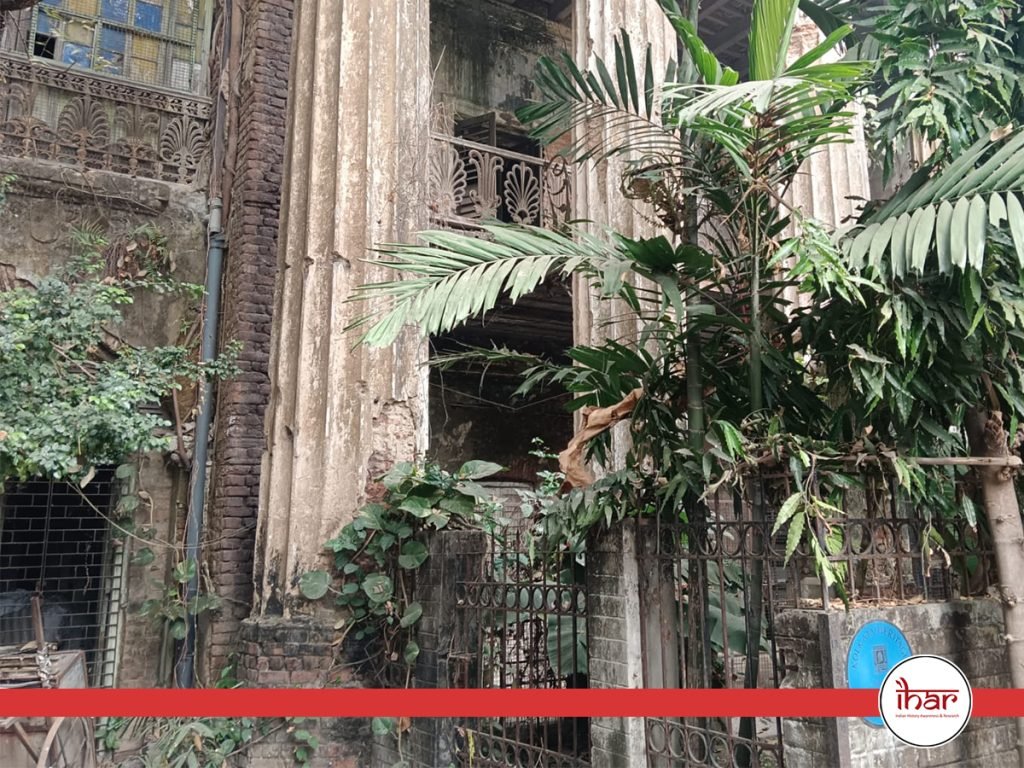
  • Rasgolla Bhavan, identified by a commemorative stone plaque marking the former shop of Nabin Chandra Das. Although the original shop no longer exists, its legacy remains deeply embedded in Bengal’s culinary history.

  • K.C. Das Sweet Manufacturing Karkhana, a significant industrial heritage site that reflects the transition of traditional sweets into organized commercial production.

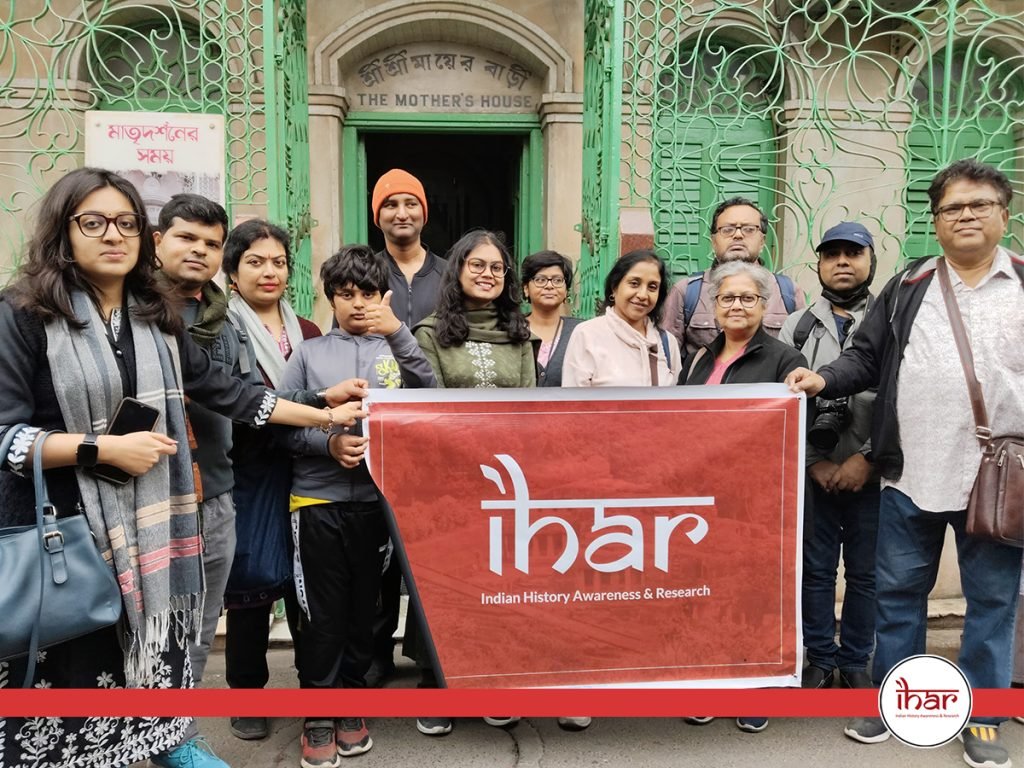
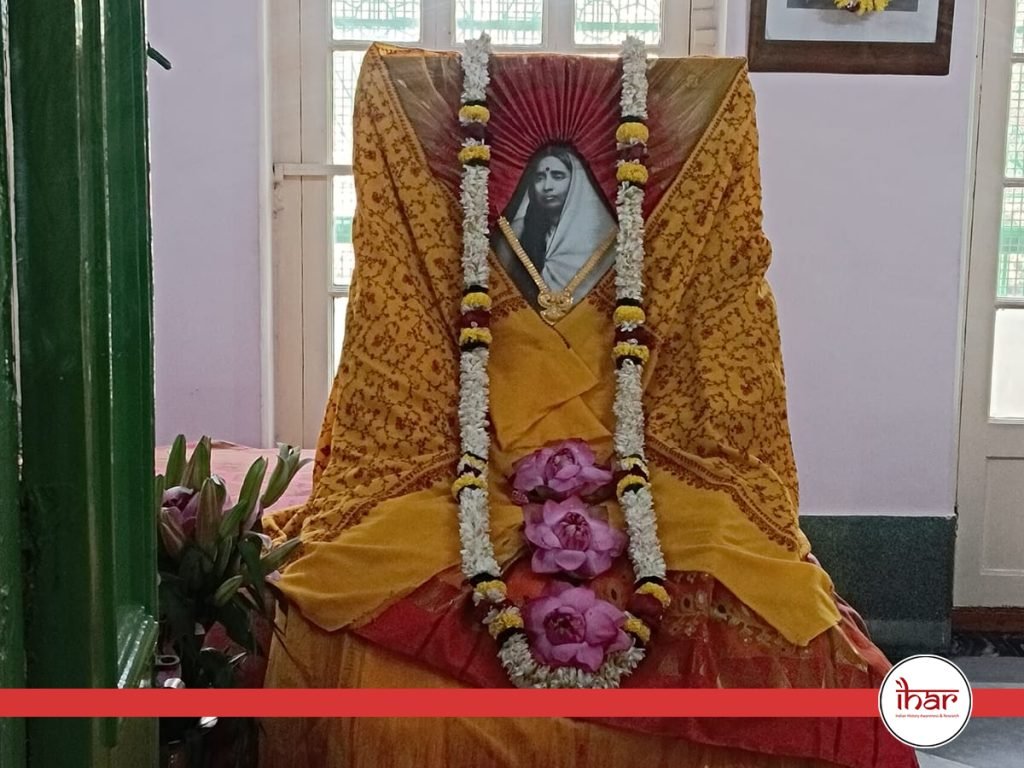
  • Sri Sri Sarada Mayer Bari (Mother’s House) is a highly revered spiritual site located in Bagbazar, Kolkata, where the Holy Mother Sri Sarada Devi lived from 1909 until her passing in 1920 CE. 

The walk reached Mayer Bari almost exactly on schedule at 10:47 a.m., with a negligible delay of just two minutes, reflecting the smooth coordination maintained throughout.

Later Stops Included:

  • Office of Udbodhan Patrika (Udbodhan Karyalay), is the premier publishing wing of the Ramakrishna Math and Mission. Swami Vivekananda started the Udbodhan Patrika in January 1899 CE with the goal of spreading the message of Sri Ramakrishna and the beauty of Indian civilization.

  • Mayer Ghat  The ghat holds immense value for devotees because Sri Sarada Devi, the spiritual consort of Sri Ramakrishna Paramahamsa, frequently used it to bathe and access the river during her stay at the nearby Mayer Bari from 1909 CE to 1920 CE. The Kolkata Municipal Corporation has declared the area part of a heritage zone.

  • Baghbazar Sarbojonin Puja Ground, believed by many historians to be the site of a garden owned around 1710 CE by Mr. Perrin—a former ship captain who also owned a vessel. A market held beside this garden, and over time the linguistic transition from bagicha to bagan and finally bag combined with bazar gave the area its present name, Baghbazar. The subsequent evolution of the locality was discussed in detail during the walk.

After a brief halt for rest and refreshments, the group continued to:

  • Basu Bari

  • Marhatta Ditch Lane

  • The residence of Girish Chandra Ghosh

The walk concluded with a visit to the residence of Sister Nivedita, marking a reflective end to the Baghbazaar Corridor Heritage Walk.

The walk not only traced architectural landmarks and sacred spaces but also brought to life layered narratives of devotion, urban evolution, colonial encounters, and cultural continuity—true to IHAR’s mission of documenting and disseminating India’s rich historical and spiritual heritage.

articles

Archaeological Wealth of Sirsee Village

Published

on

Sirsee Village in Lalitpur district, Uttar Pradesh, reveals a treasure trove of archaeological remains spanning centuries. This small settlement, rich in sculptures, hero stones, temple fragments, and a moated fort, connects to broader historical networks of the Gupta, Gurjara-Pratihara, and Bundela periods. Recent documentation highlights its untapped potential for understanding regional cultural continuity.

Location and Context
Sirsee lies 28 km from Lalitpur, 54 km from Deogarh, 10 km from Siron Khurd (ancient Siyadoni), and 24 km from Talbehat. Nestled amid key historical centers from the Gupta (4th-6th century CE) and post-Gupta eras, it sits near trade routes like the Jhansi-Bhopal path. Nearby Siyadoni, founded in the Gurjara-Pratihara period (8th-11th century CE), underscores Sirsee’s role in economic and cultural exchanges.

Archaeological Sites
Researchers identified seven key locations with artifacts, many in deteriorated states yet revered by locals.

Site 1: Features a hero stone and temple members, hinting at martial commemorations and religious structures.

Site 2: Includes a fort with Surya and Ganesha sculptures, Bundela-style jharokha (balcony), and a temple complex encircled by a moat.

Site 3: Hosts a Mahishasur Mardini (Durga slaying the buffalo demon) sculpture and mural paintings.

Site 4: Contains broken sculptures, an inscription, hero-stone fragments, and a Hanuman figure near temple ruins.

Site 5: Displays additional broken sculptures and ruins, possibly linked to later shrines.

Site 6: Encompasses another temple complex with structural remnants.

Site 7 (implied): Sati stambha (memorial pillars) and further fragments, indicating post-medieval practices.

Satellite imagery from Google Earth (2025 Airbus and Maxar) maps these sites, showing the fort’s scale (up to 200m) and strategic layout.

Key Artifacts
Sculptures dominate, including broken icons of deities like Mahishasur Mardini, Surya, Ganesha, and Hanuman, often in black stone or similar material. Hero stones and sati stambhas suggest battles and sati rituals, common in medieval India. Inscriptions, though fragmented, may reveal patronage or events, while temple fragments point to Shaivite or Vaishnavite worship. Bundela-style elements, like jharokhas, link to 16th-18th century Rajput architecture in Bundelkhand.

Historical Significance
Earliest occupation likely dates to the 11th-12th century CE, based on sculptural styles, though proximity to Gupta sites suggests earlier influences. The fort implies defensive needs, possibly tied to trade route conflicts or regional power struggles. Hero stones evoke battles, aligning with Pratihara-era warfare, while the moat and location near Siyadoni indicate a trade or worship hub. Continuity persists as villagers worship these relics, blending ancient heritage with living tradition.

Research Questions
The presentation raises critical queries: What defines Sirsee’s occupation timeline? Why build a fort here? Did trade or pilgrimage drive its prominence? Evidence of wars? Connections to Gupta, Pratihara, or Bundela rulers? No systematic study exists, urging documentation to trace settlement origins and evolution. Yashraj Panth, Research Associate at Sharva Purattav Solution Private Limited, calls for further exploration.

Sirsee embodies Bundelkhand’s layered past, from medieval sculptures to Bundela forts, demanding preservation and study.

Continue Reading

articles

Unveiling Ancient Footprints: Archaeological Discovery in the Khairi-Bhandan River Basin of Odisha

Published

on

Unveiling Ancient Footprints: Archaeological Discovery in the Khairi-Bhandan River Basin of Odisha

Introduction

Nestled within the lush, biodiversity-rich Similipal National Park region of Mayurbhanj district in Odisha lies a prehistoric archaeological landscape that remained largely unexplored until recently. The Khairi-Bhandan River Basin, part of the Panchpir subdivision in Northern Odisha, has emerged as a significant site for understanding early human adaptation and technological development in eastern India. A comprehensive study presented by Samir Maharana, a PGDM student at the Indira Gandhi Rashtriya Manav Sangrahalaya in Bhopal, has now shed light on this underexplored region, revealing the presence of prehistoric human settlements spanning from the Lower Paleolithic to the Neolithic periods.

Geographical and Geological Setting

Northern Odisha represents a natural extension of the Chotanagpur Plateau’s lowest step, characterized by a distinctive hilly and broken terrain that has shaped human settlement patterns for millennia. The region’s geographical significance is amplified by the presence of the Similipal National Park, located in the center of Mayurbhanj district. This protected area serves as a biogeographical bridge connecting the Chotanagpur region of the Deccan Peninsular plateau with the Mahanadi east coast area of the Oriental realm, creating a unique ecological zone that has sustained human populations throughout prehistory.

The geological foundation of this region is equally remarkable. The Similipal complex belongs to the Archaean age and rests upon ancient Singhbhum Granite and Banded Iron Formation (BIF). This geological complex comprises a volcano-sedimentary basin dominated by mafic volcanic rocks and quartzite, which became crucial raw materials for prehistoric tool manufacture. Key geological formations—including the Lulung Formation (quartzite-phyllite heterolith), Barehipani Formation (volcanic rocks with peridotite-gabbro), and Jurunda Formation (quartz arenite)—provided abundant sources of material that early human communities would exploit for crafting stone tools.

The region’s hydrography further enriched the landscape for prehistoric habitation. Several major rivers originate from Similipal National Park, including the Budhabalanga, Khadkhai, Deo, Palpala, Khairi, Bhandan, and Salandi. These river systems flow in various directions, creating fertile valleys and providing fresh water sources essential for sustaining human communities. The ecological wealth of the Similipal complex is evident in the recorded presence of 1,078 plant species, including 94 species of orchids, indicating a biodiverse environment that would have supported diverse subsistence strategies among prehistoric peoples.

The Research Gap and Its Significance

Despite the ecological and geological suitability of the Panchpir subdivision for prehistoric habitation, systematic archaeological research in this area was largely absent before the recent study. Panchpir, which encompasses the areas of Karanjia, Jashipur, and Thakurmunda, is strategically positioned at the northern fringe of the Similipal Biosphere Reserve. The presence of rocky outcrops, river valleys, and dense forests created ideal conditions for prehistoric settlement and resource exploitation.

However, while anecdotal evidence—such as microliths and habitation remnants discovered locally—suggested significant prehistoric activity, no formal archaeological investigations had been conducted. This absence left a substantial gap in Odisha’s prehistoric archaeological record and prevented a comprehensive understanding of regional human adaptation and cultural development during the Stone Age. The study addresses this critical lacuna by conducting systematic archaeological exploration and analysis of the Khairi-Bhandan River Basin.

Previous Research Context

The history of archaeological research in the broader Mayurbhanj region spans over a century. Early explorers and archaeologists, including Valentine Ball (1876), documented prehistoric materials from surrounding areas such as Angul, Talcher, Dhenkanal, and Sambalpur. Subsequent investigations by researchers like Paramananda Acharya (1923-24), B.K. Thapar (1961-62), and K.K. Basa (1984, 1994) contributed to understanding the region’s archaeological landscape. However, these efforts remained geographically scattered, with limited focus on the Panchpir subdivision. The new research by Samir Maharana builds upon this legacy while filling the geographical and methodological gaps left by previous work.

Research Objectives and Methodology

The primary objective of this research was to locate prehistoric sites within their various geological contexts to develop a comprehensive regional archaeological picture. Five specific research goals guided the investigation: understanding the geology, geomorphology, and geo-archaeology of the Khairi-Bhandan River basin; locating and identifying prehistoric raw material exploitation sites; developing a typological and technological understanding of lithic assemblages through statistical analysis; examining inter-regional and intra-regional variability in stone tool assemblages; and establishing relative chronological sequences for Stone Age cultures in the region.

To achieve these objectives, the research team employed a sophisticated multidisciplinary approach combining traditional archaeological fieldwork with modern geospatial technologies. Over two weeks of systematic exploration on foot across erosional surfaces and riverbeds, the team investigated possible areas of prehistoric habitation and tool-bearing layers. Documentation methods included GPS positioning with mobile GPS cameras, topographical sheet analysis at 1:50,000 scale, on-site photography of artifacts with geocoordinates, and three-dimensional photography with digital processing. Statistical analysis utilized MS-Excel and SPSS-20 software, while GIS mapping identified sites, locations, and drainage systems. This integration of conventional and contemporary techniques represents a modern standard in prehistoric archaeological research.

Key Archaeological Discoveries

The systematic survey identified ten significant archaeological sites within the Khairi-Bhandan River Basin: Jamda, Ramatirtha, Jaunriposi, Rugudi-1, Rugudi-2, K. Handabandha, Kadadiha-1, Kadadiha-2, Kaluakhaman, and Jethama. Collectively, these sites yielded 458 stone artifacts representing diverse technological traditions spanning multiple Stone Age periods.

The distribution of artifacts across these sites demonstrates variable intensity of human use and settlement patterns. Jethama produced the most artifacts (97 tools), followed by Kadadiha-2 (88 tools) and Rugudi-1 (65 tools), while other sites showed moderate to limited artifact densities. This variation reflects differential preservation, site visibility, and intensity of human occupation across the landscape.

Lithic Technology and Tool Typology

Analysis of the 458 artifacts revealed a sophisticated and diverse tool kit reflecting multiple technological traditions. Flakes dominated the assemblage at 52.0 percent, indicating a consistent flaking technology as the primary tool production method. Scrapers represented 13.8 percent of the collection, while blades accounted for 12.4 percent. Cores constituted 4.4 percent, along with hand axes. Specialized implements included choppers (3.1%), spearheads (1.3%), chisels (1.1%), points (0.9%), and rare elements such as crescents, ring stones, triangles, and arrow heads (each less than 0.2 percent). This typological diversity indicates adaptation to diverse subsistence activities and environmental conditions.

Notably, rare Neolithic tools hint at cultural transitions toward settled agricultural life and represent a significant phase in regional prehistory. The presence of both Lower Paleolithic implements (hand axes, choppers) and Microlithic tools (crescents, blades, points) within the same general region suggests occupation across an extended chronological span.

Raw Material Exploitation Strategies

The analysis of raw materials reveals sophisticated knowledge of local geology and strategic resource selection. Gray chert and quartzite each represented approximately 28.6 and 28.4 percent of the assemblage respectively, indicating these locally available materials were the primary choices for tool production. Quartz accounted for 20.1 percent, while black chert comprised 15.9 percent. Other materials included diorite (3.7%), banded chert (2.6%), with rare usage of crystal and sandstone (each 0.2 percent). This pattern demonstrates that prehistoric communities possessed intimate knowledge of local geological resources and deliberately selected materials based on specific technological and functional requirements.

Implications and Conclusions

The Khairi-Bhandan River Basin research reveals a complex, dynamic prehistoric landscape shaped by human adaptation and innovation over millennia. The technological diversity evident in the artifact assemblages—from Lower Paleolithic hand axes to Neolithic implements—reflects evolving strategies for resource exploitation and environmental adaptation. The region’s geological diversity, enriched in quartzite, chert, and quartz, and its ecological richness supported sustained prehistoric occupation, as evidenced by artifact distributions across multiple sites.

The study addresses a critical gap in Odisha’s prehistoric archaeological record, particularly regarding the Panchpir subdivision. By establishing archaeological connections between newly documented sites and previously researched locations across Northern Odisha, the research demonstrates cultural and geological continuity across the region. Furthermore, the findings suggest long-standing human-environment interaction patterns, connections that contemporary tribal ecological knowledge may illuminate through future ethnographic research.

Future Research Directions

This preliminary investigation establishes a foundation for expanded archaeological, ethnographic, and environmental research in the region. Future studies should include systematic excavation at promising sites to establish secure chronologies through radiocarbon dating and stratigraphic analysis. Detailed lithic technological studies employing refitting analysis and experimental archaeology could elucidate specific tool manufacture techniques and functional specializations. Integration of paleoenvironmental studies through pollen analysis and faunal remains would reconstruct ancient ecological conditions and subsistence patterns. Additionally, ethnographic documentation of indigenous and tribal communities’ ecological knowledge could create meaningful dialogue between ancient and contemporary human relationships with the landscape.

Conclusion

The systematic archaeological exploration of the Khairi-Bhandan River Basin in Mayurbhanj, Odisha, represents a significant advancement in understanding eastern India’s prehistoric heritage. Samir Maharana’s research successfully demonstrates that previously underexplored regions harbor rich archaeological evidence contributing substantially to broader narratives of human cultural development. As India continues to expand its archaeological investigations into remote and ecologically sensitive areas, studies such as this remind us that our ancient past remains embedded in the living landscape, waiting for scientific inquiry to reveal the stories of those who came before us. The region’s significance extends beyond academic interest—it reflects the deep historical roots of human presence in eastern India and the resilience of human communities in adapting to diverse environmental contexts. This research underscores the importance of sustained, multidisciplinary archaeological endeavor in recovering and interpreting the prehistoric past, enriching our collective understanding of human history and cultural heritage.

References

Maharana, S. (2025). Preliminary observation at the prehistoric site of Khairi-Bhandan River Basin, Mayurbhanj, Odisha. Presented at the National Conference, Indira Gandhi Rashtriya Manav Sangrahalaya, Bhopal, September 6, 2025.

Basa, K.K., & Mohanty, P.K. (2000). General survey in archaeology: Kuliana. Journal of Archaeological Research, 8(2), 45-67.

Thapar, B.K. (1961-62). Archaeological studies in Northern Odisha. Indian Archaeological Survey Reports, 15, 102-118.

Continue Reading

articles

PANCHMADIYA COMPLEX: HISTORICAL NARRATIVES & ARCHAEOLOGICAL RE-EVALUATION

Published

on

The Panchmadiya Temple Complex: Layers of History and Sacred Tradition

Introduction

Nestled in the heartland of Madhya Pradesh, the Panchmadiya temple complex at Singrampur stands as a silent witness to centuries of religious transformation and cultural evolution. This remarkable archaeological site, located in the eastern reaches of Madhya Pradesh, represents far more than a collection of ancient ruins—it embodies the continuous reinterpretation of sacred space across multiple civilizations and belief systems.

The Panchmadiya complex is distinguished by its unique chronological layering, where Shaiva monasticism of the Kalachuri period gave way to Vaishnavite devotion, and subsequently transformed into a site of local veneration connected to legendary figures and heroic memories. This article explores the architectural remains, sculptural treasures, and historical narratives that make this temple complex a compelling case study in Indian religious and cultural history.

Location and Geographic Significance

The Panchmadiya temple complex is situated in Singrampur, within the broader cultural landscape of eastern Madhya Pradesh. The region is surrounded by numerous other archaeological sites of considerable importance, including Kodal, Nohta, and various locations scattered across the Kalachuri heartland. The geographic placement of the complex, documented through Archaeological Survey of India (ASI) Jabalpur Circle records, places it within a network of medieval monastic and temple sites that once flourished across the region.

This strategic location in the medieval period placed the complex at the confluence of important trade and pilgrimage routes, facilitating cultural exchange and religious patronage from ruling dynasties of the era.

The Kalachuri Period: Origins as a Monastic Site (10th-12th Century CE)

Establishment and Religious Purpose

The Panchmadiya complex originated during the Kalachuri period (10th-12th century CE) as a Shaiva monastic site, or matha. The Kalachuri dynasty, which ruled much of central India during this period, were known patrons of Hindu religious institutions, particularly those dedicated to Shaiva traditions—the worship of Lord Shiva.

The architectural evidence suggests that the complex was established as a minor but significant monastic center. The term matha refers to a monastic establishment where monks would reside, study, and practice religious discipline. These institutions played crucial roles in preserving and transmitting religious knowledge, philosophical teachings, and ritual practices.

Mattamayura Matha Architecture

One of the most significant structures at the Panchmadiya complex is the Mattamayura Matha, which survives in a repurposed form known today as the Maladevi Temple. The architectural features of this structure demonstrate clear similarities to other Mattamayura Mathas constructed throughout Madhya Pradesh between the 9th and 11th centuries CE.

The interior architectural design reveals the sophisticated planning typical of monastic establishments from this period. Mattamayura Mathas, found scattered across the Kalachuri territories, were purpose-built monastic dwellings that accommodated resident monks, featuring:

  • Central courtyards for communal activities
  • Individual cells for resident monks
  • Shrines for daily worship and meditation
  • Storage areas for manuscripts and provisions

The continued existence and active worship at this site, even in its repurposed form, speaks to the enduring sanctity attributed to the location by successive communities.

The Dasabhuji Chamunda Sculpture

Within the Mattamayura Matha stands an ancient sculpture of Dasabhuji Chamunda (the ten-armed form of the goddess), which is still venerated by local devotees as Maladevi. This sculpture represents a connection to the Shaiva-Tantric traditions that were prominent during the Kalachuri period. The Dasabhuji Chamunda is an aspect of the fierce goddess tradition in Hindu theology, often associated with protection and the destruction of evil forces.

The fact that this sculpture remains in active worship, covered in vermillion and receiving daily offerings, demonstrates how ancient religious practices maintain continuity despite changing political and cultural circumstances. This represents a living link to the devotional practices of over a thousand years ago.

Architectural Components of the Complex

The Central Vishnu Shrine

During the 12th-13th centuries CE, the Panchmadiya complex underwent significant transformation with the introduction of Vaishnavite elements. The construction of a Vishnu Shrine at the center of a large platform marked this religious shift toward Vaishnavism (the worship of Lord Vishnu).

The shrine measures 4.9 meters by 2.4 meters and appears to have originally functioned as a mandapika temple—a small, autonomous shrine structure. The architectural design comprises:

  • Mandapa: The pillared hall or vestibule
  • Garbhagriha: The inner sanctum or womb chamber where the primary deity would be installed

The construction technique is notable: stone blocks were arranged in dry masonry (without mortar), demonstrating the building practices of medieval artisans. The lintel (the horizontal stone above the entrance) serves as the primary identifying feature of the temple’s Vaishnavite affiliation, bearing iconographic elements significant to Vishnu worship.

The Door Jamb and Iconography

A particularly valuable archaeological feature is the ornamental door jamb associated with the Vishnu shrine. Though incomplete, this architectural fragment retains almost all traditional iconographic elements of medieval temple design. The most significant identifying feature is the Tridev depiction—a representation of the Hindu trinity comprising Brahma (creator), Vishnu (preserver), and Shiva (destroyer).

Such iconographic representations on door frames and jambs served multiple purposes: they identified the temple’s religious affiliation, blessed all who entered the sanctum, and conveyed theological concepts through visual imagery. This reflected the medieval Hindu temple tradition of combining architecture with sculpture to create a comprehensive religious statement.

Subsidiary Shrines

At each of the four corners of the central platform stand the remains of subsidiary shrines, each measuring 3.8 meters by 2.9 meters. These smaller shrines likely housed different divine aspects or deity forms associated with the primary deity. Only the misraka pillars (supporting pillars) survive today, providing evidence of the once-elaborate structure.

The arrangement of these subsidiary shrines around the central Vishnu shrine follows the classical Indian temple plan, where multiple manifestations of divinity are positioned within a unified sacred geography. This organizational principle reflects deep theological concepts about the multiplicity and unity of divine forms.

Heaps of Architectural Remains

Beyond the main structures, archaeological surveys have identified significant heaps of architectural remains scattered throughout the complex, including:

  • Pillar shafts of various dimensions
  • Blocks of stone from collapsed structures
  • Quadrangular stone beams that once supported roofing or upper floors

These architectural fragments suggest that the complex was far more elaborate in its heyday than what survives today. The accumulation of these remains indicates either deliberate demolition or gradual deterioration due to natural causes and the passage of time.

Sacred Sculptures and Spiritual Continuity

Hanuman and Shaiva Sculptures

The complex preserves very few sculptural remains compared to many other medieval temples, suggesting either that statuary was removed or destroyed in antiquity, or that the site never housed extensive sculptural programs. Among the surviving pieces are ancient sculptures of Hanuman (the devoted monkey devotee of Rama) and various Shaiva sculptures (representations connected to Shiva worship).

What is particularly remarkable is that these ancient sculptures remain in active worship, their surfaces covered in vermillion (sindur), receiving regular offerings from devoted worshippers. This continuity of worship demonstrates how even when a temple’s original function or historical narrative may be forgotten, the sacred character of the sculptures persists across generations.

Other Individual Shrines

Throughout the complex, various individual shrines have been constructed around ancient sculptures and sacred remains. These modern shrines, built of stone, represent the continued tradition of worshipping ancient sculptures at the site. They indicate how local communities have adapted and preserved the sacred character of the space, even as the original historical context receded into the past.

The Sati Stones: A Window into Medieval Society

Among the most poignant remains at the Panchmadiya complex are inscribed and uninscribed Sati stones. These memorial stones commemorate women who performed sati—the practice of widow self-immolation on their husband’s funeral pyre, traditionally understood as an act honoring a deceased warrior husband.

Historical and Social Context

The presence of Sati stones at the complex, particularly their association with the Garha Mandala period (14th-16th centuries CE) and folklore surrounding Queen Durgavati, reveals important aspects of medieval Madhya Pradesh society:

  • Martial culture: The placement of Sati stones indicates the presence of warrior families and feudal nobility in the region
  • Women’s agency and honor codes: While modern perspectives critique the practice, these stones represented the values and social frameworks of medieval times
  • Commemoration and memory: The inscribed and uninscribed stones served to perpetuate the memory of individuals deemed heroic by their societies

The Sati stones transform the Panchmadiya complex from merely a religious site into a repository of social history, revealing the complex relationship between warfare, honor, gender, and spirituality in medieval India.

The Garha Mandala Period and Folkloric Transformation (14th-16th Century CE)

Shifting Religious and Political Landscapes

As the Kalachuri dynasty declined and the power of early medieval dynasties waned, the Panchmadiya complex underwent a fundamental transformation. The Garha Mandala period saw the rise of the Gond dynasty and later the famous Rajput warrior queen Durgavati, whose reign became legendary in regional folklore.

During this period, the site’s religious significance was reinterpreted through the lens of local heroic memory and legend. The association with Queen Durgavati, a legendary figure in Madhya Pradesh history known for her valor and resistance, gave the site new folkloric significance distinct from its earlier monastic and temple functions.

Queen Durgavati and Local Memory

Queen Durgavati has become an iconic figure in regional consciousness, representing courage, leadership, and tragic nobility. Her association with the Panchmadiya complex, whether historical or legendary, demonstrates how sacred sites become repositories for community memory and identity. The site transformed from a functioning religious institution into a place where history, heroism, and devotion merged in the collective imagination.

Chronological Layering: The Archaeological Narrative

The Panchmadiya temple complex represents a continuous chronological layering of cultural and religious identities. Rather than representing a single moment in time, it embodies multiple overlapping historical periods:

Layer One: Shaiva Monasticism (10th-12th century CE)

The foundation—a minor Kalachuri-period monastic establishment dedicated to Shaiva traditions, where monks engaged in spiritual practice and the preservation of sacred knowledge.

Layer Two: Vaishnavite Elements (12th-13th century CE)

The addition of Vaishnavite structures and sculptures, indicating a shift in patronage and religious emphasis. This was likely caused by changing dynasties, patronage patterns, or broader religious trends favoring Vaishnava devotionalism.

Layer Three: Hero Stones and Legends (14th-16th century CE)

The placement of Sati stones and the association with Queen Durgavati, transforming the site from a functioning religious institution into a memorial space commemorating martial valor and local heroism.

Layer Four: Living Worship (Present Day)

The site’s continued sacred character, demonstrated through the active worship of ancient sculptures and the operation of functioning shrines where local communities maintain religious practices.

Archaeological Significance and Broader Context

The Mattamayura Matha Network

The Panchmadiya complex’s Mattamayura Matha represents one node in a larger network of similar structures distributed across medieval Madhya Pradesh. The distribution of these mathas indicates:

  • Organized monastic movements with standardized architectural plans
  • A network of Shaiva institutions sharing resources, knowledge, and religious authority
  • The extent of Kalachuri influence across the region during the 9th-11th centuries CE

This network perspective helps scholars understand how religious knowledge, artistic practices, and spiritual traditions were transmitted and maintained across medieval India.

Architectural Continuity and Adaptation

The site demonstrates important principles of medieval Indian architectural practice:

  • Dry masonry techniques: Stone blocks arranged without mortar, allowing for flexibility in reuse and adaptation
  • Modular shrine design: Individual shrines that could function independently or as components of larger complexes
  • Adaptive reuse: Structures repurposed for new religious functions while maintaining their fundamental sacred character

Conservation and Living Heritage

The Panchmadiya complex represents a unique category of heritage site—one where ancient structures continue to function as active religious spaces. Unlike many archaeological sites that are preserved as historical artifacts, the Panchmadiya complex remains a site of worship, pilgrimage, and spiritual practice.

This characteristic presents both opportunities and challenges for conservation:

  • Living tradition: The continued worship ensures ongoing community engagement with the site
  • Risk factors: Active use can accelerate deterioration of ancient structures
  • Community stewardship: Local communities’ sense of ownership and responsibility for the site enhances preservation

The involvement of the Archaeological Survey of India (ASI) Jabalpur Circle in documentation and research demonstrates the commitment to balancing preservation with cultural continuity.

Conclusion

The Panchmadiya temple complex at Singrampur stands as a remarkable palimpsest of Indian history, where successive civilizations have written their spiritual and cultural narratives atop earlier layers. From its origins as a Kalachuri monastic center dedicated to Shaiva traditions, through its transformation into a Vaishnavite temple complex, to its contemporary function as a site of local veneration and folk memory, the Panchmadiya complex embodies the adaptability and resilience of Indian religious traditions.

The surviving architectural elements—the Mattamayura Matha, the Vishnu shrine, the subsidiary structures, the ancient sculptures—testify to the skill of medieval artisans and the depth of religious commitment among ancient patrons and worshippers. The Sati stones provide poignant evidence of the social complexities of medieval society, while the continued worship at the site demonstrates the unbroken spiritual thread connecting the ancient past to the present.

For historians, archaeologists, and pilgrims alike, the Panchmadiya complex offers invaluable insights into the religious, architectural, and social history of medieval Madhya Pradesh. It reminds us that archaeological sites are never merely repositories of the past, but living spaces where history, spirituality, and community memory continue to intersect and evolve.

The complex invites further research, careful conservation, and respectful engagement from scholars and visitors—ensuring that the voices of ancient monks, dedicated sculptors, and faithful devotees across centuries will continue to resonate through the centuries to come.

Continue Reading

Trending

Designed by ihar © 2025