Connect with us

articles

IHAR West Bengal Chapter successfully conducted The Baghbazaar Corridor Heritage Walk

Published

on

The Baghbazaar Corridor Heritage Walk
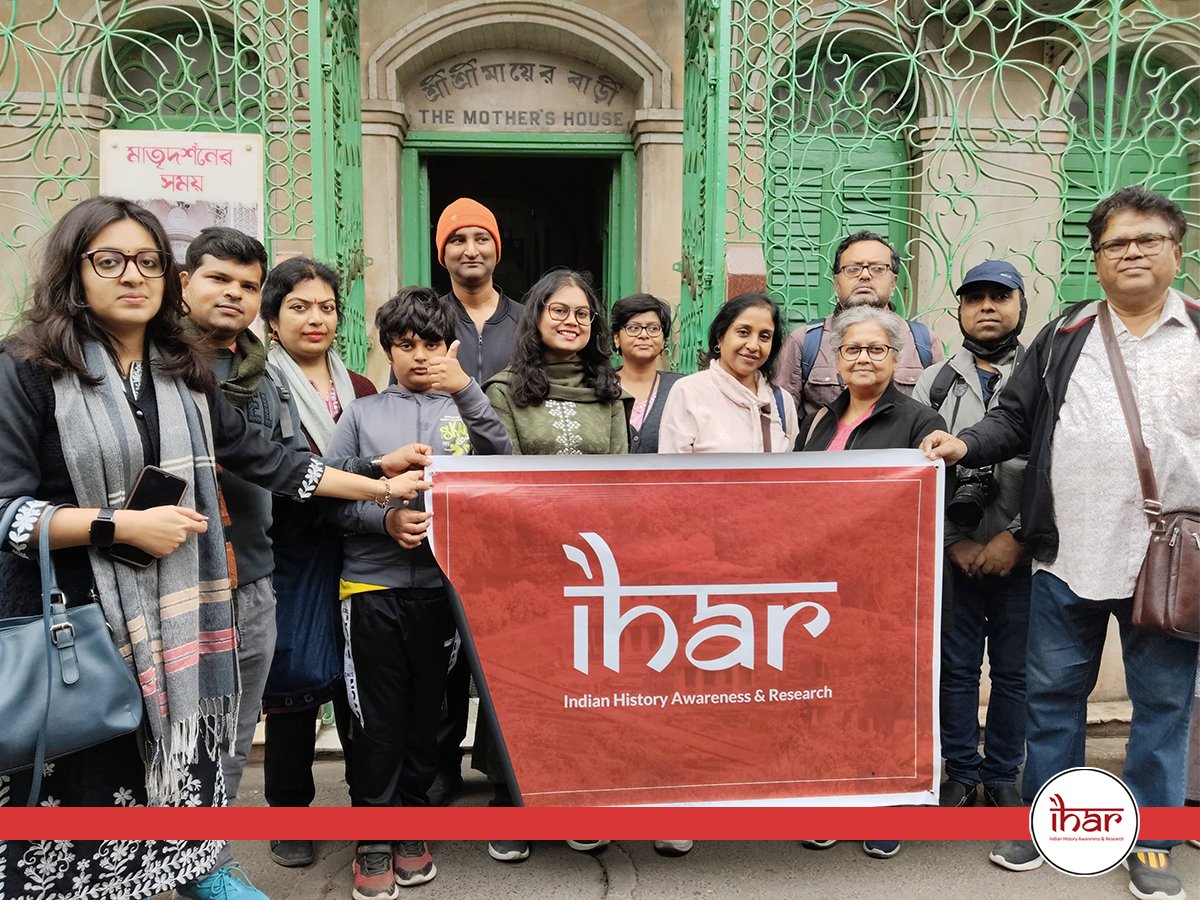
Walk Leader: Sri Samiran Banik

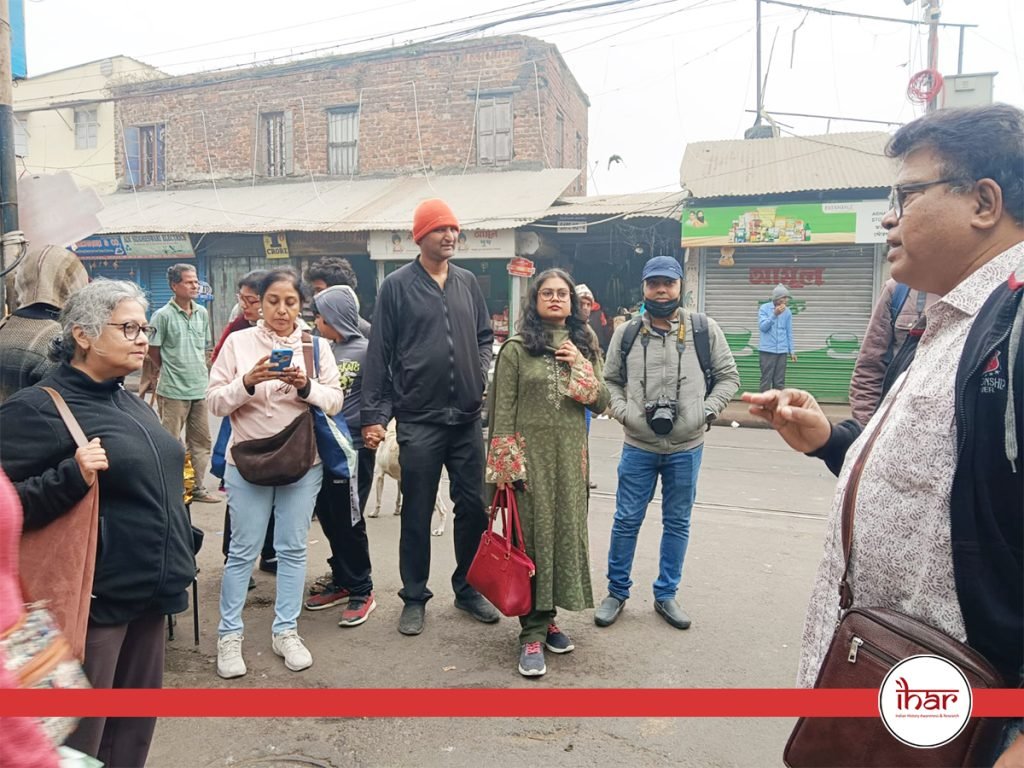
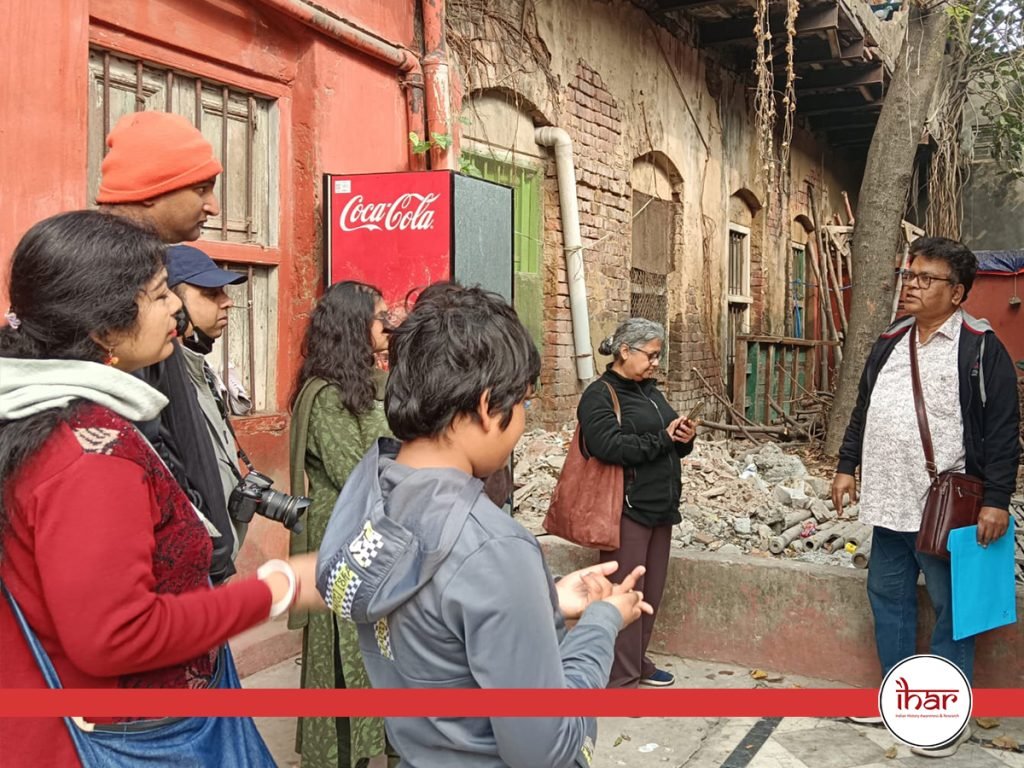
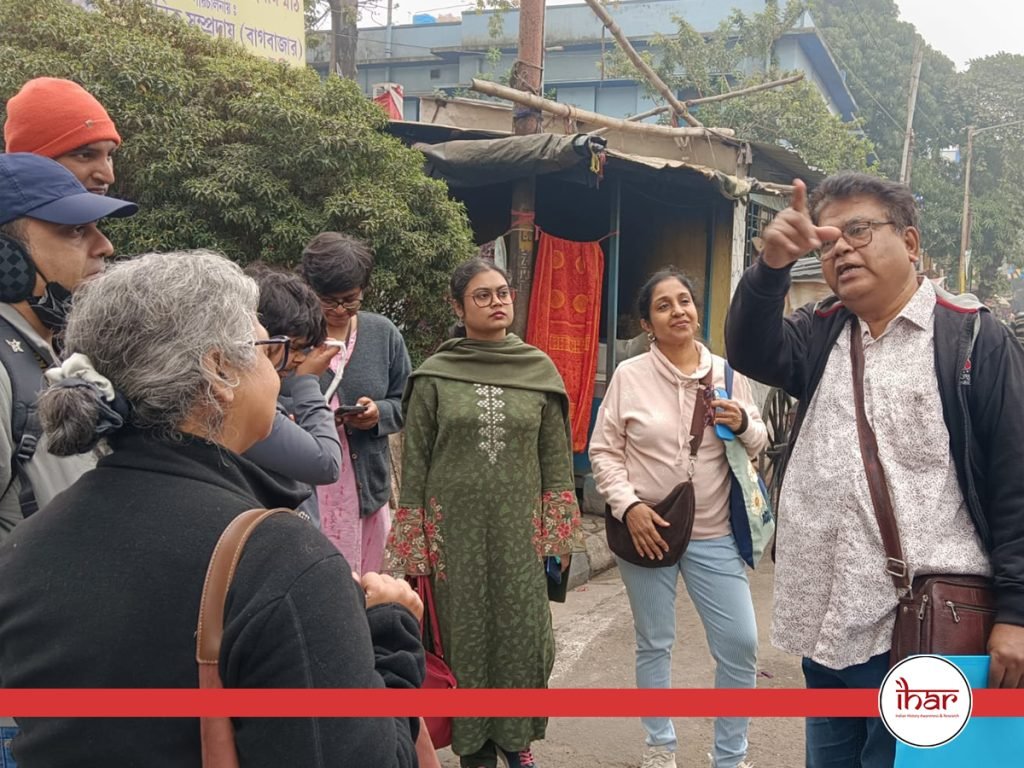
A mist-laden winter morning set the tone for IHAR’s Baghbazaar Corridor Heritage Walk, conducted on Sunday under an overcast sky where the sun remained veiled behind dense fog. Owing to the foggy conditions, a few participants reached the meeting point slightly later than scheduled, resulting in a brief delay of about ten minutes in commencing the walk. This, however, did not affect the overall flow or experience of the walk.

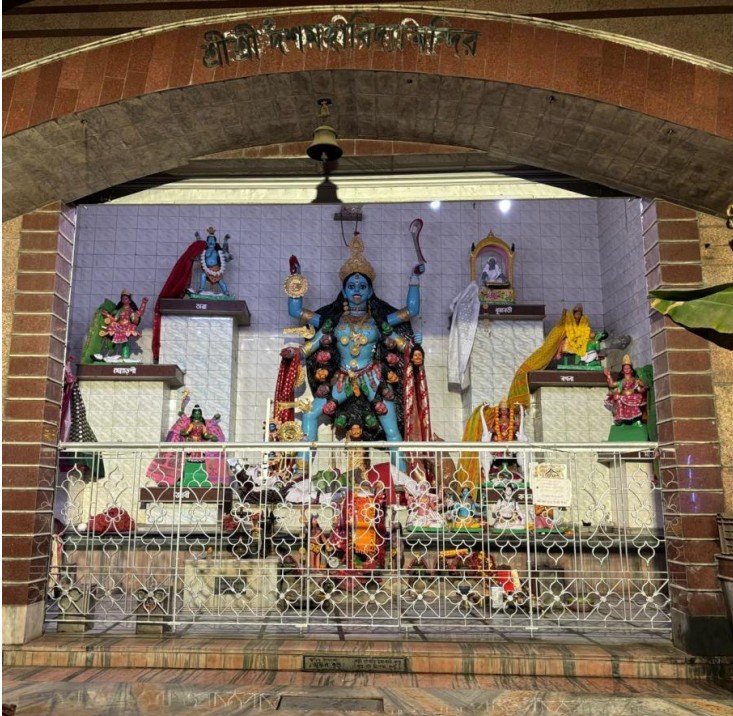
Participants assembled at the Siddheshwari Kali Temple, the designated starting point. The walk formally began after an introductory address by Mouli on behalf of IHAR, followed by a brief contextual note by the walk leader. From here, the group proceeded to the grand Rameshwar Shiva Temple, established by Nandaram Sen and constructed in the traditional atchala style. Beginning the walk with the darshan of Devadidev Sadashiva imparted an auspicious and contemplative beginning to the heritage trail and contributed to its harmonious conclusion.

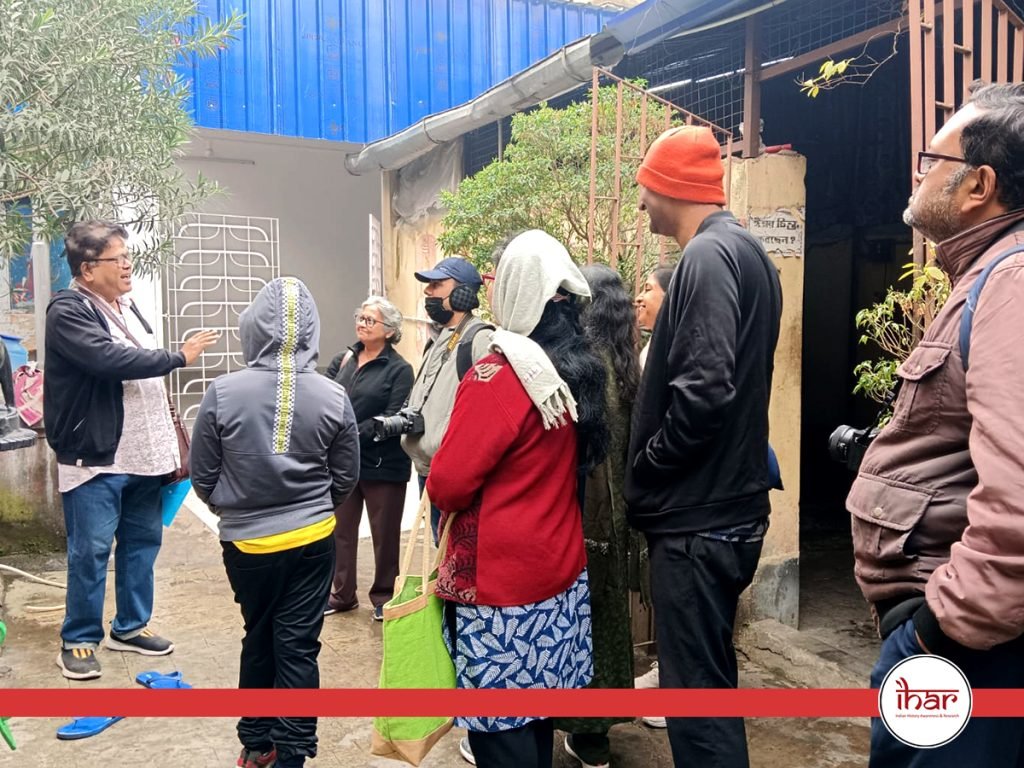
Beyond the planned itinerary, the walk evolved organically with the enthusiastic cooperation of participants, allowing several additional heritage sites to be included along the way—thereby enriching the collective experience.

Key Sites Covered During the Walk:

  • Rameshwar Shiva Temple

  • Chitpur Road, believed to be Kolkata’s oldest road, with an existence dating back nearly 500 years. During early colonial times, this was the only arterial road of the city, now known as Rabindra Sarani.

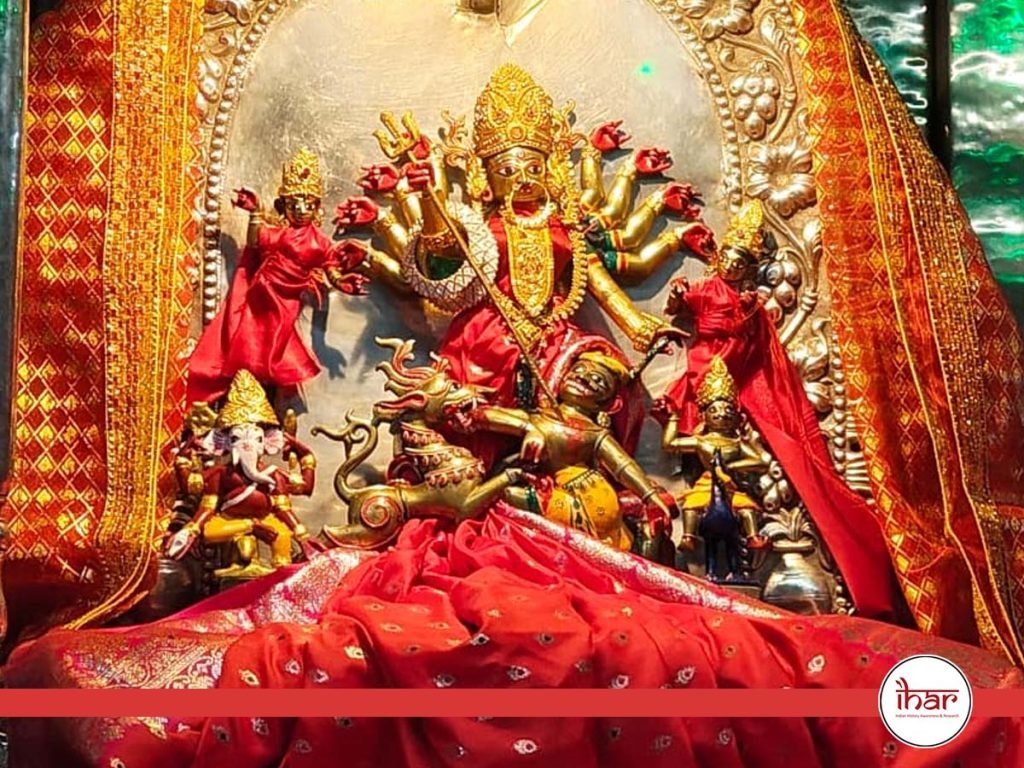
  • Century-old Ashtadhatu Annapurna Temple, notable for its rare metal alloy iconography and enduring ritual traditions.

  • Dhakeshwari Mata Temple

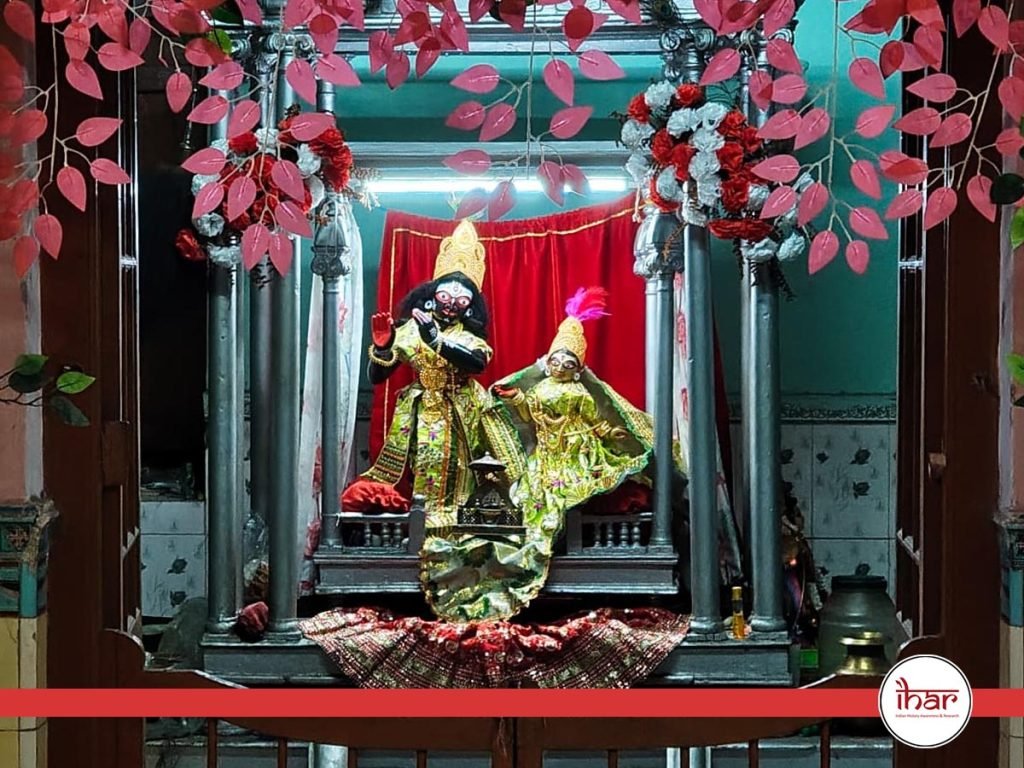
  • Madanmohan Temple and the adjacent Ras Mancha, an important Vaishnava landmark associated with ritual performances and temple-centric community life.

  • Siddheshwari Kali Temple, affectionately known as Baghbazarer Ginni Ma.

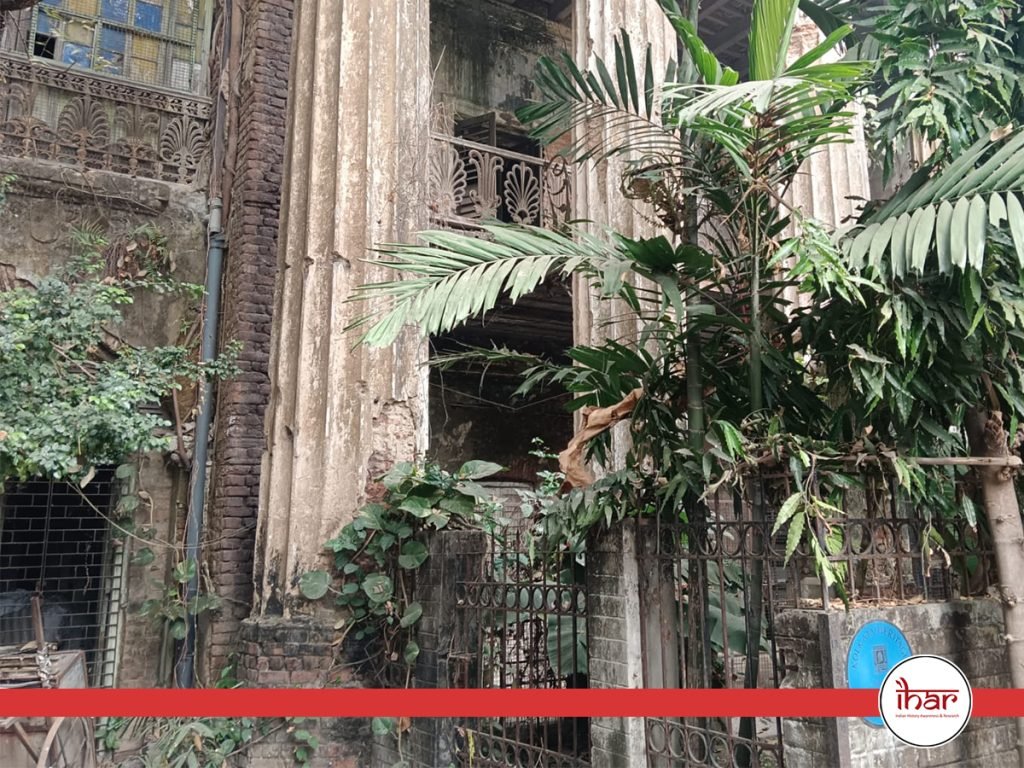
  • The Black Pagoda, established in 1730 CE by the prominent Black Zemindar Govindram Mitra, standing as a testament to early colonial-era patronage and Indo-European architectural intersections.

  • Shadbhuj Gauranga Murti, a six-armed image of Sri Chaitanya, believed—based on family traditions—to be nearly 300 years old and carved entirely from neem wood.

  • Rasgolla Bhavan, identified by a commemorative stone plaque marking the former shop of Nabin Chandra Das. Although the original shop no longer exists, its legacy remains deeply embedded in Bengal’s culinary history.

  • K.C. Das Sweet Manufacturing Karkhana, a significant industrial heritage site that reflects the transition of traditional sweets into organized commercial production.

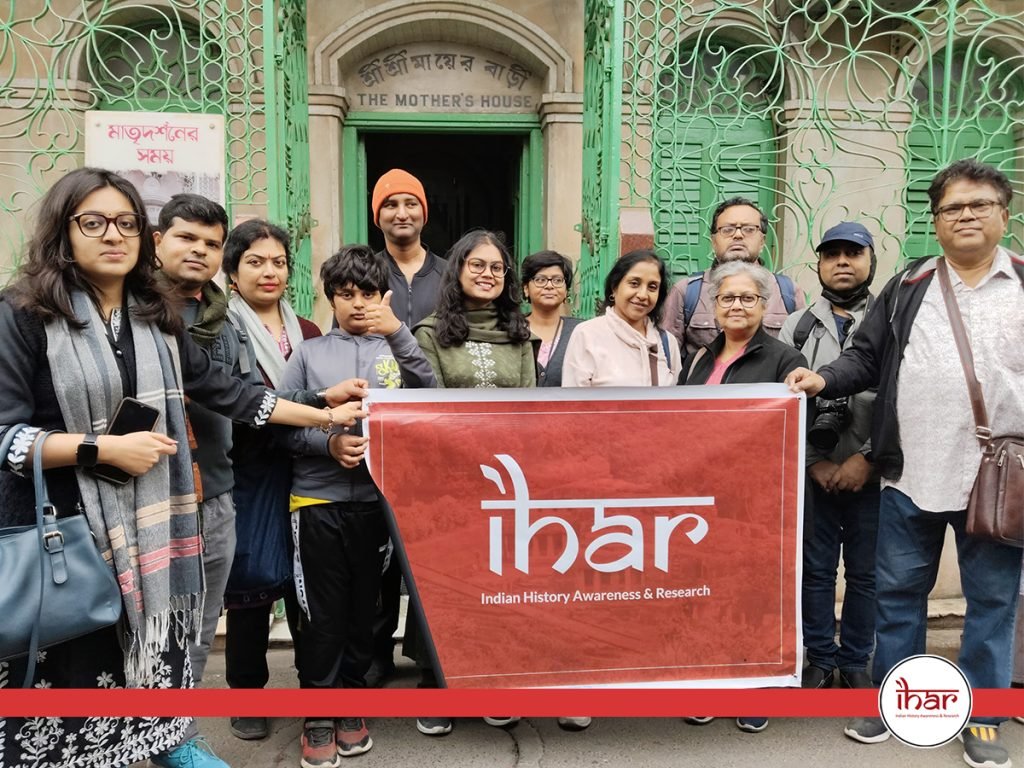
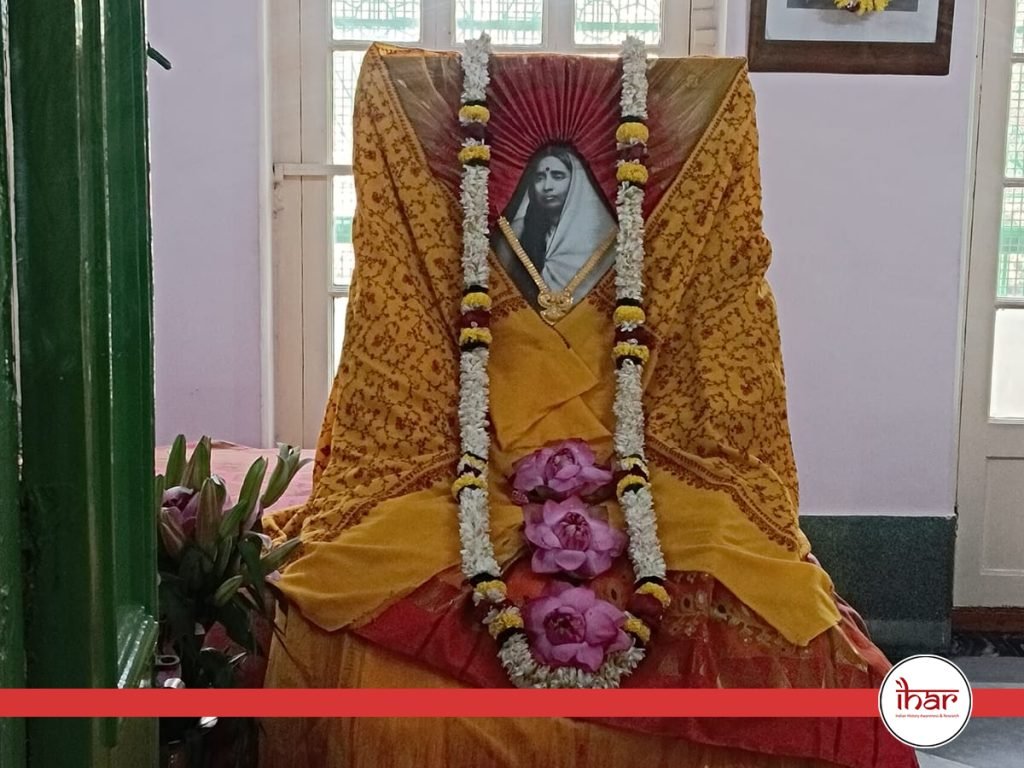
  • Sri Sri Sarada Mayer Bari (Mother’s House) is a highly revered spiritual site located in Bagbazar, Kolkata, where the Holy Mother Sri Sarada Devi lived from 1909 until her passing in 1920 CE. 

The walk reached Mayer Bari almost exactly on schedule at 10:47 a.m., with a negligible delay of just two minutes, reflecting the smooth coordination maintained throughout.

Later Stops Included:

  • Office of Udbodhan Patrika (Udbodhan Karyalay), is the premier publishing wing of the Ramakrishna Math and Mission. Swami Vivekananda started the Udbodhan Patrika in January 1899 CE with the goal of spreading the message of Sri Ramakrishna and the beauty of Indian civilization.

  • Mayer Ghat  The ghat holds immense value for devotees because Sri Sarada Devi, the spiritual consort of Sri Ramakrishna Paramahamsa, frequently used it to bathe and access the river during her stay at the nearby Mayer Bari from 1909 CE to 1920 CE. The Kolkata Municipal Corporation has declared the area part of a heritage zone.

  • Baghbazar Sarbojonin Puja Ground, believed by many historians to be the site of a garden owned around 1710 CE by Mr. Perrin—a former ship captain who also owned a vessel. A market held beside this garden, and over time the linguistic transition from bagicha to bagan and finally bag combined with bazar gave the area its present name, Baghbazar. The subsequent evolution of the locality was discussed in detail during the walk.

After a brief halt for rest and refreshments, the group continued to:

  • Basu Bari

  • Marhatta Ditch Lane

  • The residence of Girish Chandra Ghosh

The walk concluded with a visit to the residence of Sister Nivedita, marking a reflective end to the Baghbazaar Corridor Heritage Walk.

The walk not only traced architectural landmarks and sacred spaces but also brought to life layered narratives of devotion, urban evolution, colonial encounters, and cultural continuity—true to IHAR’s mission of documenting and disseminating India’s rich historical and spiritual heritage.

articles

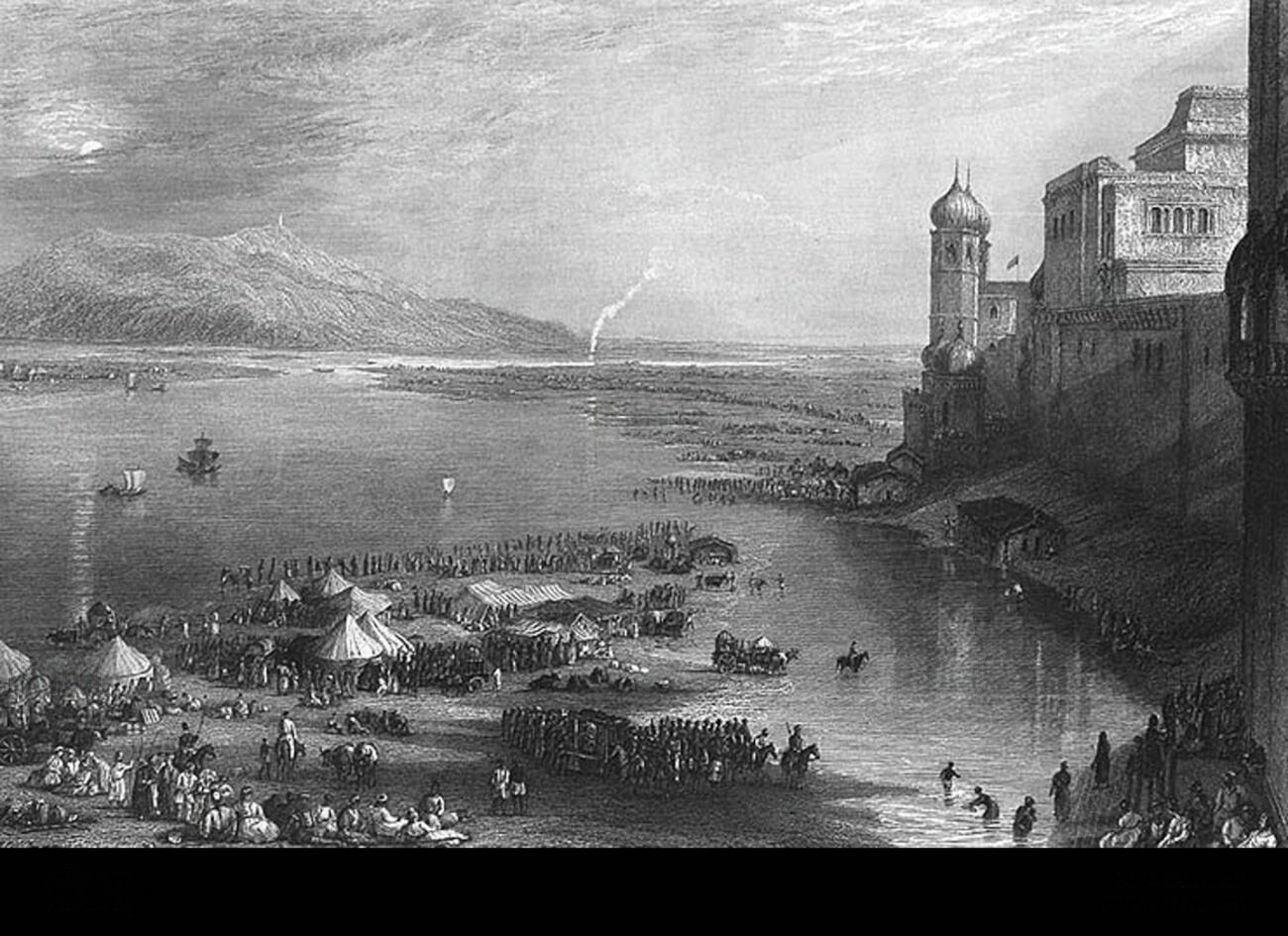
Prayagraj and Its Sacred Glory (Prayāga Māhātmya)

Published

on

By

About the Article Author - Jitendra Tiwari

Jitendra Tiwari is a committed educator and cultural practitioner devoted to the service of Bharat through the revival and application of its eternal civilizational wisdom. His work consciously integrates education, heritage conservation, and sustainable rural development, aiming to harmonize tradition with meaningful service to society.

He served for five years as Headmaster at Govardhan Gurukul, Govardhan Eco Village, where he was deeply involved in value-based education, character formation, and community development initiatives. At present, he teaches Mathematics and English at a Gurukul in Parmanand Ashram, Prayagraj. His teaching journey—spanning Prayagraj and earlier experience in Mumbai—has strengthened his resolve to nurture disciplined, holistic learning among students, shaping them into responsible future leaders of society and the nation.

Through the Sri Adishankaracharya Foundation, he actively works to promote Panchgavya-based organic farming, cow protection, farmer and artisan empowerment, and digital documentation of Bharat’s rich heritage. He also curates heritage walks in Prayagraj and develops educational modules and guidebooks grounded in the region’s sacred history and cultural legacy.

Deeply inspired by the teachings of great Acharyas—especially Jagadguru Shankaracharya Swami Nishchalanand Saraswati Maharaj—Jitendra Tiwari views his life’s work as a humble offering toward the protection, propagation, and lived practice of Bharat’s cultural and spiritual heritage.


Continue Reading

articles

Sangam and Kumbh Mela in Bengal: The Sacred Legacy of ‘Dakshin Prayag’ Tribeni

Published

on

By

About the Article Author - Pallab Mondal

Pallab Mondal is an independent researcher and columnist with a keen interest in cultural and social issues. A committed cultural and social activist, his work focuses on engaging with society through research, writing, and grassroots perspectives. He holds an MA in Social Work from Rabindra Bharati University, which informs his analytical approach and active involvement in social and cultural discourse.


Continue Reading

articles

The Trail of Omkari : A Spiritual Corridor of Bangla Shaktipeeths

Published

on

By

About the Article Author - Dr. Mrittunjoy Guha Majumdar

Dr. Mrittunjoy Guha Majumdar, Chair – IHAR Science Committee, is an Adjunct Professor at the National Institute of Advanced Studies Bengaluru and Assistant Professor at Amrita Vishwavidyapeetham, Delhi NCR. Having completed his doctorate from Cavendish Laboratory at the University of Cambridge, he has been an institutional postdoctoral fellow at Harvard University, a senior postdoctoral researcher at the Indian Institute of Science – Bangalore (funded by the Office of the Principal Scientific Advisor to the Government of India) and a postdoctoral associate of Nobel Laureate (Physics, 1973) Prof. Brian Josephson at the University of Cambridge. He has been a Trinity Barlow Scholar (2015-2018), Nehru Scholar (2014-2018), INSPIRE Scholar (2011-2014) and TIFR NIUS Fellow (2012-2014). He was a lead speaker in the domain of quantum error correction at the National Quantum Mission (NQM) strategic consultation meeting in July 2023. His area of research expertise is in entanglement, quantum information and the foundations of quantum physics. He has had training in Artificial Intelligence from the MIT Schwarzmann School of Computing, with one of his recent research focus-areas being Quantum Machine Learning (QML). Dr. Guha Majumdar has previously worked with the Ministry of Human Resource Development (Government of India), UNESCO and G20 on education and science policy. He has also been a science communicator, with his documentary on quantum mechanics aired on Doordarshan, under the Science India initiative. His book ‘From Shiva to Schrödinger’, published by the Penguin Randomhouse group, has been a bestseller. He is the national convenor of Mandala, that intends to bridge contemporary science and Indic thought, in a rigorous and self-consistent manner, at the ontological as well as the epistemological and normative levels.

Continue Reading

Trending

Designed by ihar © 2025