Connect with us

articles

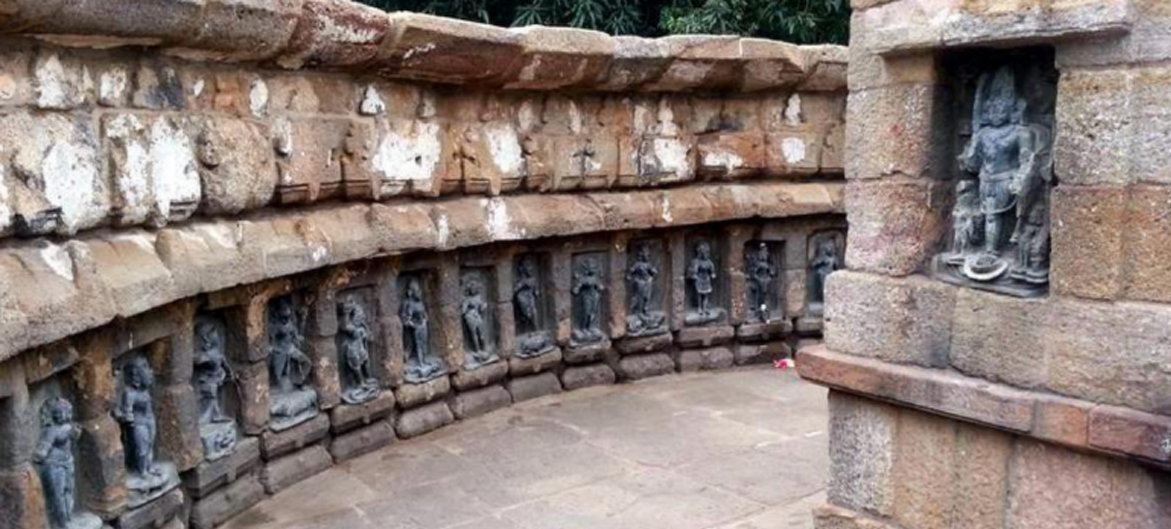
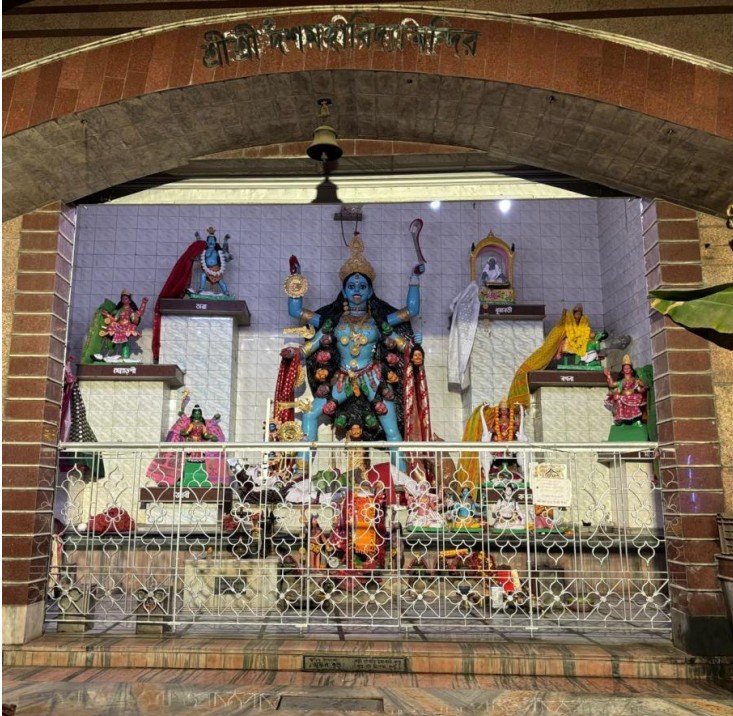
Mistress of the Ethereal: The Rudra-rūpa and Śmaśāna Iconography of Vetālī Yoginī

Published

on

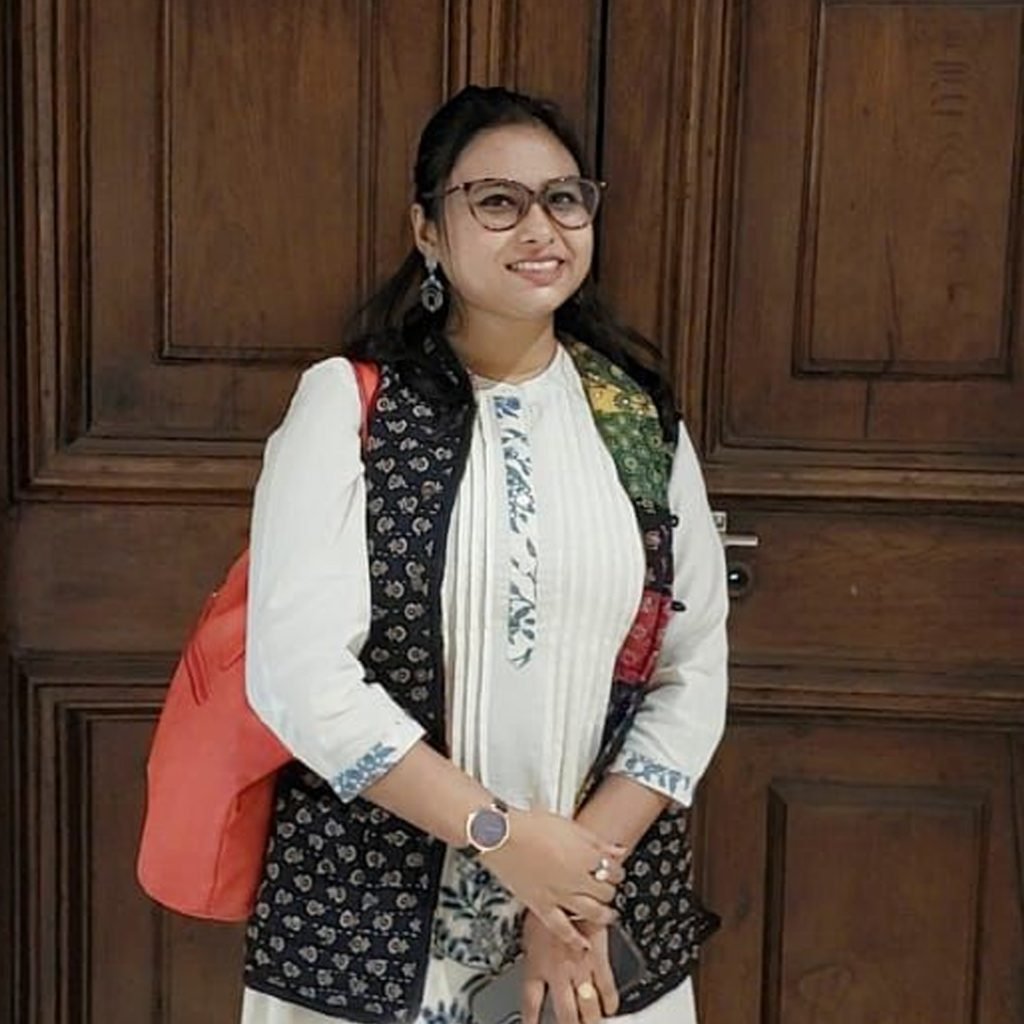
About the Article Author - Ronita Mondal

Ms. Ronita Mondal is an archaeologist and historian from Howrah, West Bengal, committed to the study, documentation, and preservation of India’s cultural heritage. She holds a Master’s degree in Archaeology (2019) from the University of Calcutta, Alipore Campus, and a Bachelor’s degree in History (Honours, 2017) from Gokhale Memorial Girls’ College. She completed her schooling at Tarasundari Balika Vidyabhaban, Howrah.

Her academic and field training reflects a deep engagement with material culture, archaeological methods, and heritage conservation. She participated in the University of Calcutta’s excavations at Asur Danga (2018–2019) and took part in exploration programs at Kotasur, Masra, and Malooti—experiences that enriched her understanding of settlement archaeology and regional cultural dynamics.

Ms. Mondal has further strengthened her expertise through specialized workshops, including sessions on coinage and museum studies at the State Archaeological Museum, and training in temple architecture and iconography at Utkal University, organized by the Asiatic Society. In 2025, she broadened her scholarly exposure by attending the Ministry of Culture’s international conference “Gyan Bharatam: Reclaiming India’s Knowledge Legacy through Manuscript Heritage” held at Vigyan Bhawan, New Delhi.

She is currently engaged in a collaborative initiative to establish a district museum in Hooghly, focusing on regional heritage curation and public engagement. Proficient in Bengali, English, and Hindi, Ms. Mondal integrates archaeological research with conservation ethics, working toward safeguarding and promoting India’s cultural legacy.

articles

John Mildenhall and the Early English Presence in Mughal India: A Perspective

Published

on

By

About the Article Author - Nabanita Ghoshal

Ms. Nabanita Ghoshal is an archaeologist and heritage researcher from Kolkata, currently associated with the Directorate of Archaeology and Museums, Government of West Bengal. She holds an M.Sc. in Archaeology from the University of Calcutta and a Post Graduate Diploma in Archaeology from the Archaeological Survey of India. A UGC-NET JRF awardee, she combines strong academic training with extensive fieldwork experience across major archaeological sites, including Malhar, Karanpura, Binjore, and the Kalibangan cultural zone.

She has also contributed to conservation initiatives through specialized heritage training and field projects at Tabo, Kangra, and Dehradun, developing expertise in the preservation and restoration of historic monuments. Currently, she is part of a collaborative project to establish a district museum in Hooghly, envisioned as a centre for regional heritage curation and public engagement.

Fluent in Bengali, English, and Hindi, Ms. Ghoshal also pursues creative interests in sketching, dance, and travel. Her work seeks to integrate archaeological research, cultural historiography, and conservation ethics to support India’s tangible and intangible heritage.

Continue Reading

articles

Team IHAR at the AMI Festival held in the Indian Museum, Kolkata

Published

on

The AMI Festival at the Indian Museum, Kolkata beautifully brings rural India into the heart of the city. Walking through the exhibition feels like stepping into a living archive of village life — from terracotta traditions and folk paintings to everyday tools, stories, and songs that have shaped generations.

Curated with warmth and sincerity, the festival creates a shared space where artisans, researchers, museum professionals, and visitors connect deeply with India’s rural heritage. Here, heritage isn’t just displayed — it is felt, heard, and celebrated.
Every object carries a community’s memory, every performance echoes the rhythm of village life, and every exchange bridges the distance between our rural roots and the urban world.

This year, IHAR proudly participated with three representatives.
Our member Mouli Roy collaborated from Devalgarh Museum, while Nabanita Ghoshal and Ronita Mondal represented Team REACH Foundation, Kolkata, engaging with visitors on the urgent need to conserve historic buildings and safeguard cultural heritage.

Adding to this spirit of collaboration, IHAR Director-Operations Sri Surya Sarathi Roy and IHAR Digital Media Incharge Suprabho Roy, accompanied by Suchira Nandi Purkayastha, Journalist, The Times of India, visited the ongoing festival and warmly appreciated the dedicated efforts of our fellow members.

Our presence reinforced a collective message: heritage survives only when communities, institutions, and individuals work together to protect it.

AMI is a powerful reminder that heritage is not a relic of the past —
it is a living, breathing legacy shaped by people, preserved with care, and enriched when shared.

Continue Reading

articles

CARVING CONTINUITIES: THE LIVING HERITAGE OF SOAPSTONE ARTISANS

Published

on

Soapstone carving is a remarkable craft whose origins stretch back to some of the earliest civilizations in India. Today, this artistic tradition continues among communities whose heritage and skills have been passed down for many generations.

Historical Roots

Soapstone, a metamorphic rock primarily composed of talc, has been used in the Indian subcontinent since the days of the Indus-Saraswati Civilization and the Chalcolithic period. Its historical significance is evident in ancient sites where artifacts such as seals, beads, statues, and small figurines have been found. Key archaeological discoveries, like steatite ringstones from the Shunga-Maurya period and sculptures from the Gupta era, illustrate soapstone’s profound role throughout history. The artistry of temple construction, as seen in Khajuraho, Jabalpur, and Udaipur, is just one facet of the stone’s legacy, with temple artisans employing techniques and tools that are still in use by contemporary soapstone carvers.

Community and Continuity

Carving skills within artisan communities—particularly the Silawat and Vishwakarma—are shared orally and inherited over generations, often spanning four to five generations. Despite the richness of these traditions, written documentation remains scattered and incomplete, making oral testimonies vital in preserving the craft’s continuity. Migration patterns have also contributed to the dispersion and evolution of carving techniques among artisans.

Diversity of Soapstone Craft

The types of sculptures crafted by soapstone artisans are diverse, shaped by regional demands and socio-economic conditions. These range from modern decorative pieces to ritualistic art:

– In Jabalpur (Madhya Pradesh), artisans produce devotional and decorative items such as cookware, toys, and showpieces, with motifs including Shivlings, demigods, elephants, and birds. Soapstone for these works is typically sourced from mines near Bhedaghat.

– The Jhabua-Alirajpur region is known for traditional Gaata sculptures crafted in a relief style, often created in memory of deceased males and worshipped with offerings. Local mines, as well as sources in Gujarat and Rajasthan, supply the necessary soapstone.

– Udaipur’s artisans have adapted to high tourist demand, blending traditional motifs with contemporary designs. Lord Ganesh idols, abstract human figures, and various souvenirs showcase the community’s ability to innovate while maintaining cultural resonance.

Methods and Techniques

Soapstone carving is a collaborative and systematic process :

– Artisans begin with the selection and cutting of raw soapstone using cutters.

– Shaping is performed with hammers and chisels to form the sculpture’s basic structure.

– Fine chisels refine features, while detailing is achieved with pointed tools for intricate patterns.

– Female artisans often smoothen the finished sculptures using sandpaper and water, ensuring a flawless texture.

– Final touches, such as polishing and coloring, are applied with waterproof primers, oil-based substances, or spray paints for gloss and durability.

Cultural Significance and Challenges

The living heritage of soapstone carving continues to hold deep cultural value, maintaining links between the artisans of central and western India since the Bronze Age. Knowledge is primarily transmitted orally, but today faces threats from the rise of mechanization and waning interest among younger generations. Seasonal changes in tourism and market access impact sales, though affordable raw material provides some relief.

The Way Forward

There is an urgent need to recognize, support, and safeguard soapstone artisans to preserve this craft for future generations. Without such efforts, a vital aspect of India’s creative and spiritual history risks fading away. By understanding and promoting the work of these artisans, society can ensure the survival of this unique and profound tradition.

Continue Reading

Trending

Designed by ihar © 2025