Connect with us

articles

Preserving Bengal’s Intellectual Legacy: IHAR West Bengal Chapter Undertakes Detailed Survey of Uttarpara Joykrishna Mukherjee Public Library

Published

on

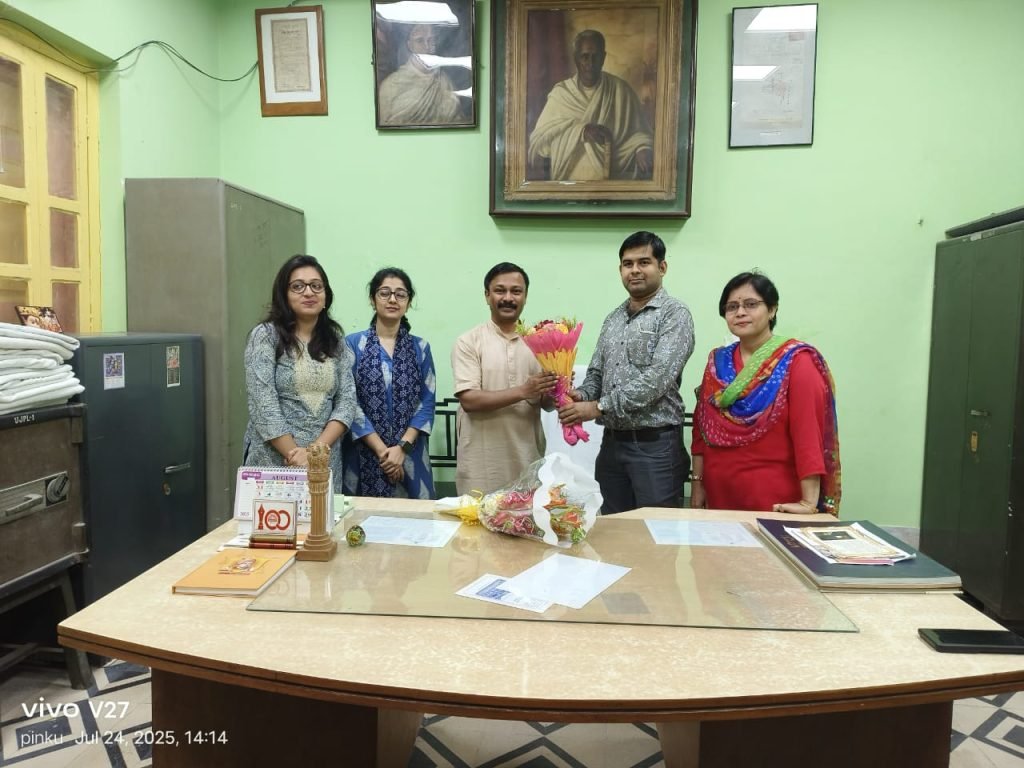
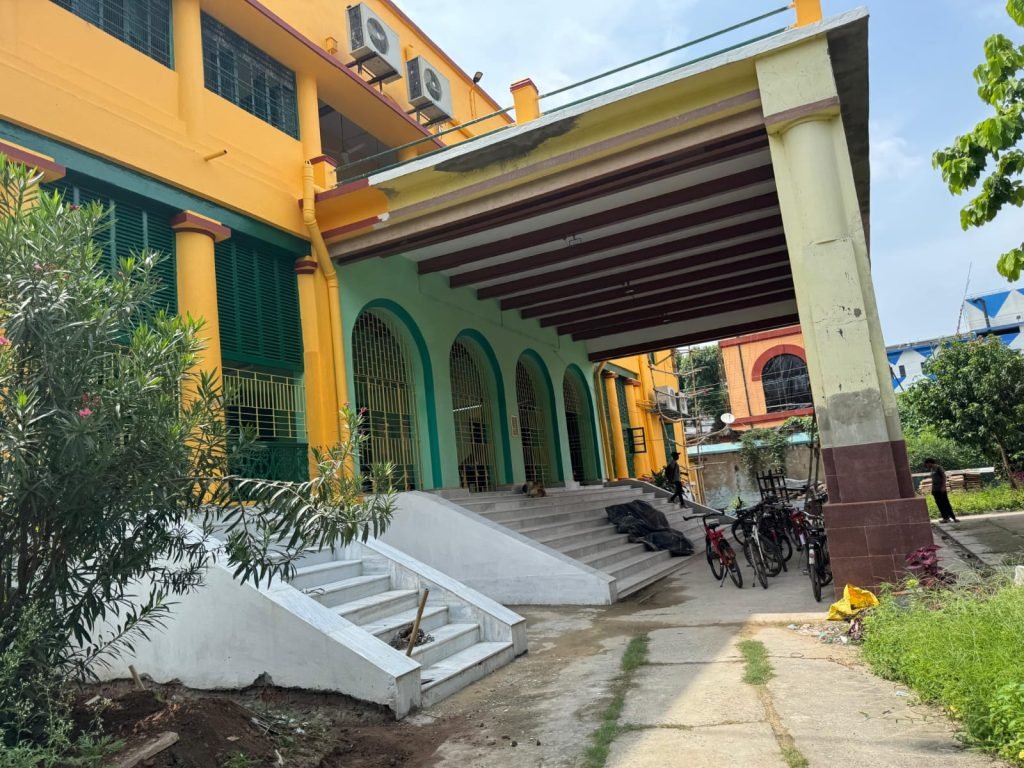
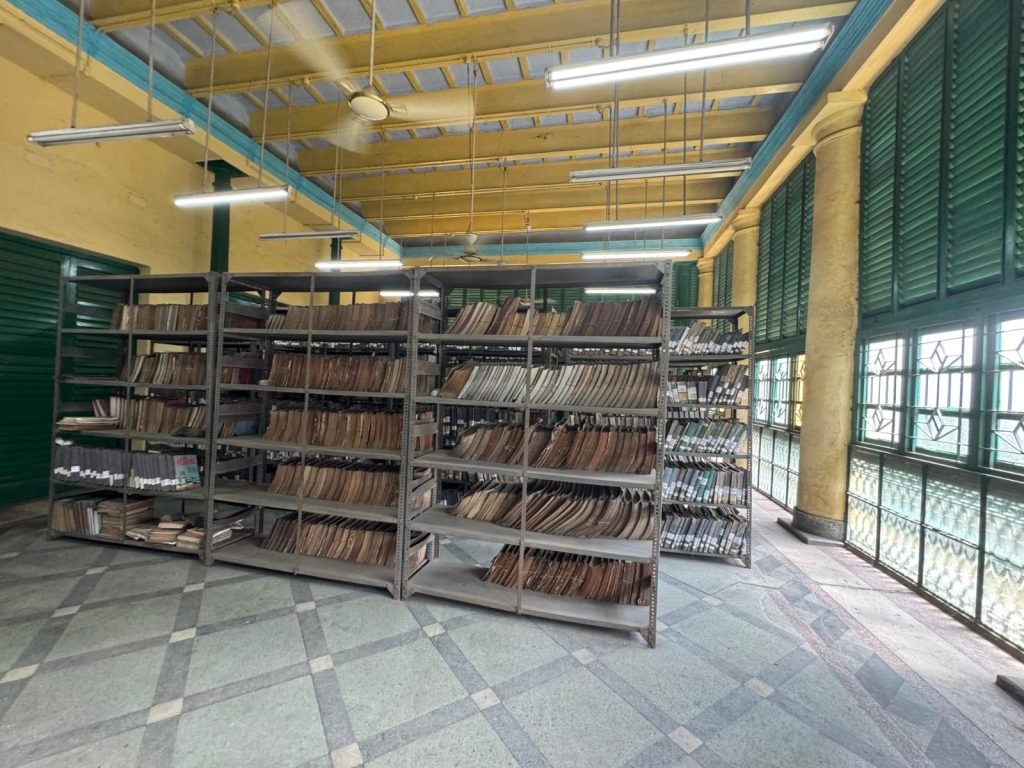
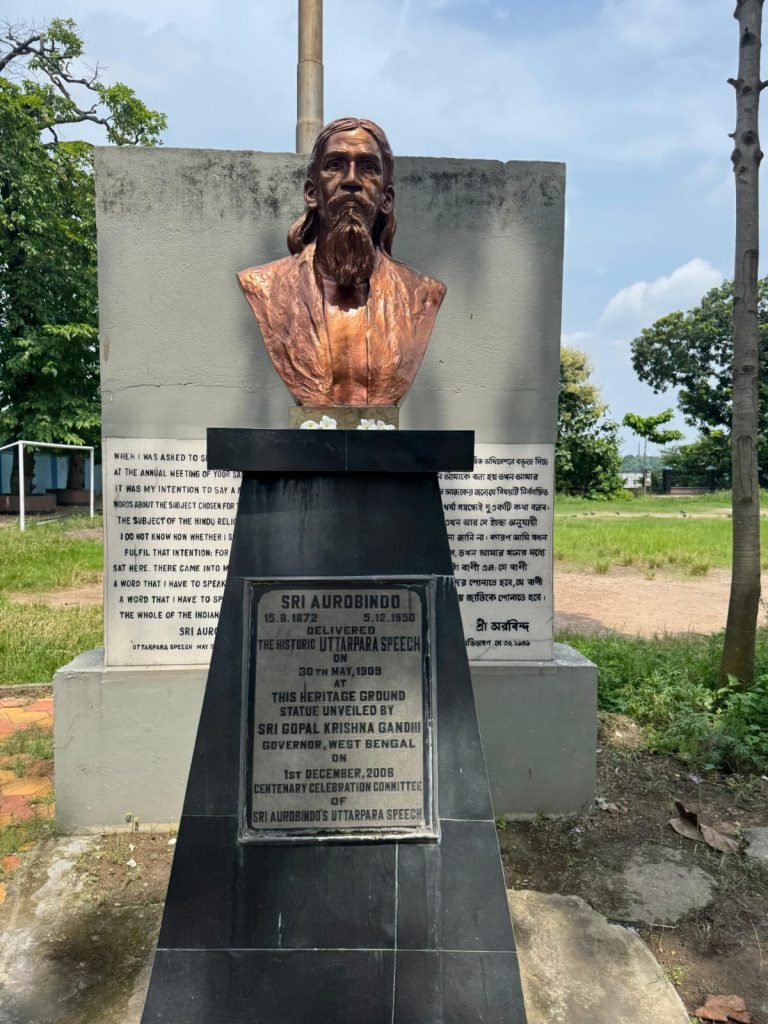
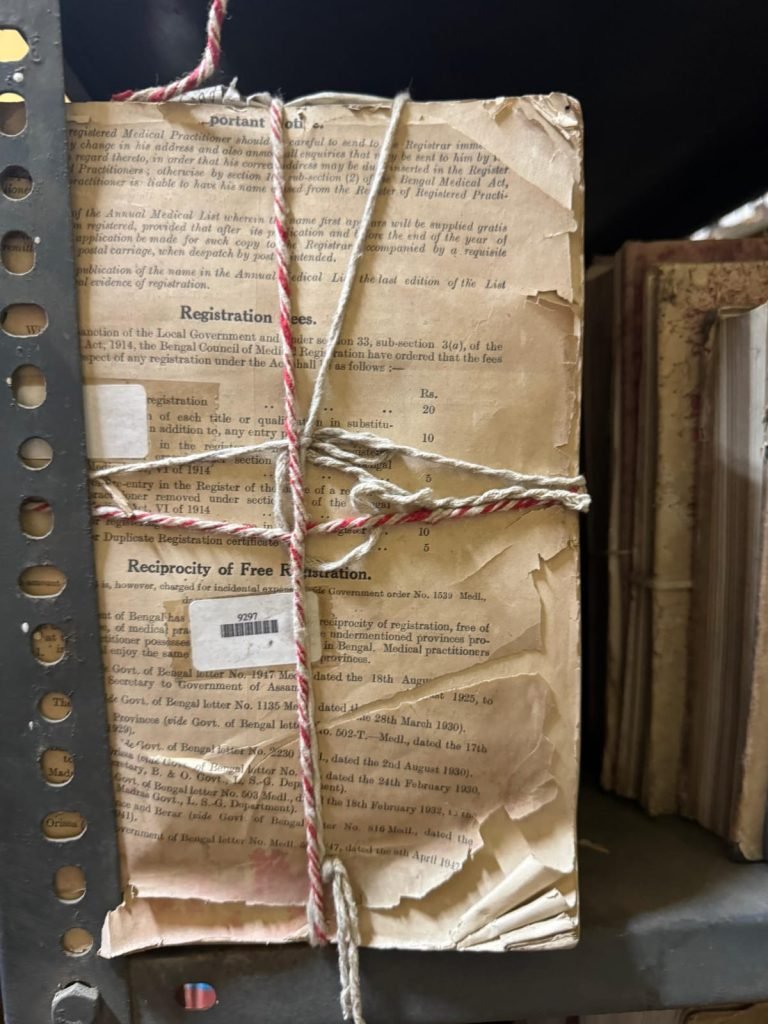
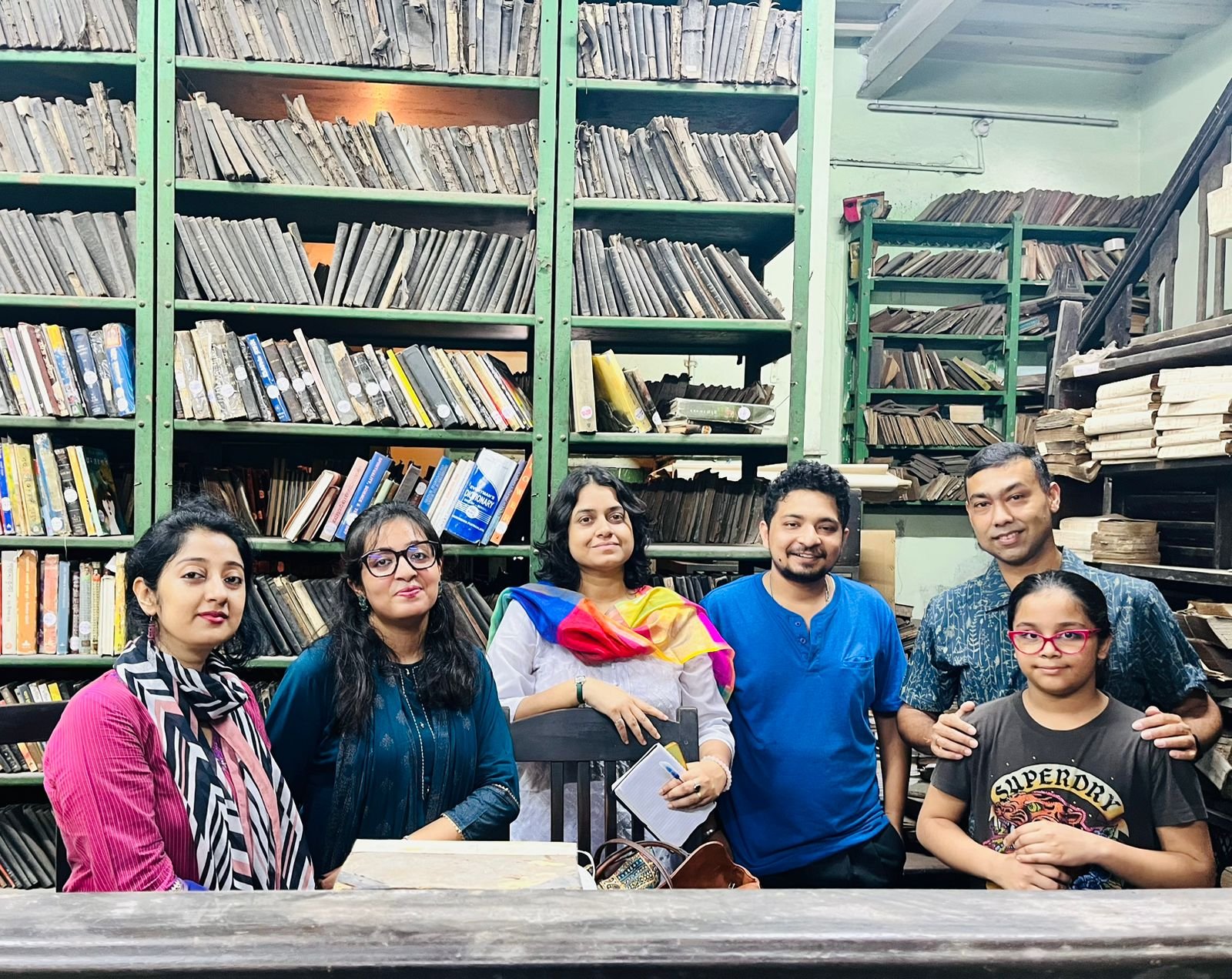
The site visit report on the Uttarpara Joykrishna Mukherjee Public Library is a comprehensive survey conducted by the Indian History Awareness Research (IHAR) team, highlighting the library’s unparalleled status as a treasure trove of rare manuscripts, books, and archival materials crucial for understanding Bengal and India’s cultural and intellectual heritage. This survey was prompted by concerns raised by the descendants of Shri Joykrishna Mukherjee regarding the fragile state of invaluable collections within this historic institution. As an independent organization committed to heritage conservation, IHAR assessed the library to recommend steps for its safekeeping, digitization, and modernization, thereby continuing the library’s legacy as a pillar of learning and knowledge since its inception in 1859.
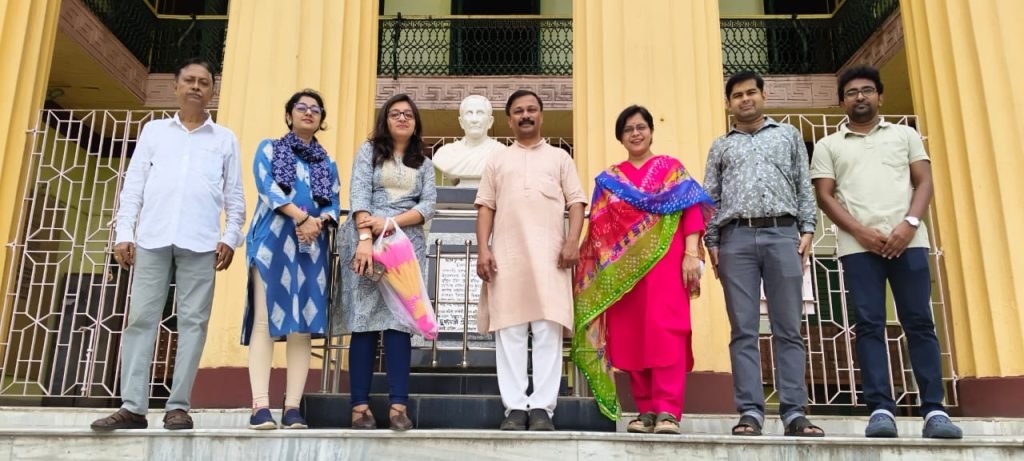
The project was overseen by Project Director Shri Surya Sarathi Roy, Director of India Operations at IHAR. The IHAR team comprised notable members including Shri Bhujang Bobde (Director, Karnataka Epigraphic Conservationist Archives), Ms. Manideepa Basu (Executive Member, Indian Museum), Ms. Mouli Roy (Executive Member, National Library), and Shri Sumit Ganguly (Co-Convenor Academic, IHAR), among others. Their collective expertise in history, museology, conservation, and law was pivotal in conducting a detailed evaluation of the library’s current condition and proposing actionable measures for its preservation.

articles

Team IHAR at the AMI Festival held in the Indian Museum, Kolkata

Published

on

The AMI Festival at the Indian Museum, Kolkata beautifully brings rural India into the heart of the city. Walking through the exhibition feels like stepping into a living archive of village life — from terracotta traditions and folk paintings to everyday tools, stories, and songs that have shaped generations.

Curated with warmth and sincerity, the festival creates a shared space where artisans, researchers, museum professionals, and visitors connect deeply with India’s rural heritage. Here, heritage isn’t just displayed — it is felt, heard, and celebrated.
Every object carries a community’s memory, every performance echoes the rhythm of village life, and every exchange bridges the distance between our rural roots and the urban world.

This year, IHAR proudly participated with three representatives.
Our member Mouli Roy collaborated from Devalgarh Museum, while Nabanita Ghoshal and Ronita Mondal represented Team REACH Foundation, Kolkata, engaging with visitors on the urgent need to conserve historic buildings and safeguard cultural heritage.

Adding to this spirit of collaboration, IHAR Director-Operations Sri Surya Sarathi Roy and IHAR Digital Media Incharge Suprabho Roy, accompanied by Suchira Nandi Purkayastha, Journalist, The Times of India, visited the ongoing festival and warmly appreciated the dedicated efforts of our fellow members.

Our presence reinforced a collective message: heritage survives only when communities, institutions, and individuals work together to protect it.

AMI is a powerful reminder that heritage is not a relic of the past —
it is a living, breathing legacy shaped by people, preserved with care, and enriched when shared.

Continue Reading

articles

CARVING CONTINUITIES: THE LIVING HERITAGE OF SOAPSTONE ARTISANS

Published

on

Soapstone carving is a remarkable craft whose origins stretch back to some of the earliest civilizations in India. Today, this artistic tradition continues among communities whose heritage and skills have been passed down for many generations.

Historical Roots

Soapstone, a metamorphic rock primarily composed of talc, has been used in the Indian subcontinent since the days of the Indus-Saraswati Civilization and the Chalcolithic period. Its historical significance is evident in ancient sites where artifacts such as seals, beads, statues, and small figurines have been found. Key archaeological discoveries, like steatite ringstones from the Shunga-Maurya period and sculptures from the Gupta era, illustrate soapstone’s profound role throughout history. The artistry of temple construction, as seen in Khajuraho, Jabalpur, and Udaipur, is just one facet of the stone’s legacy, with temple artisans employing techniques and tools that are still in use by contemporary soapstone carvers.

Community and Continuity

Carving skills within artisan communities—particularly the Silawat and Vishwakarma—are shared orally and inherited over generations, often spanning four to five generations. Despite the richness of these traditions, written documentation remains scattered and incomplete, making oral testimonies vital in preserving the craft’s continuity. Migration patterns have also contributed to the dispersion and evolution of carving techniques among artisans.

Diversity of Soapstone Craft

The types of sculptures crafted by soapstone artisans are diverse, shaped by regional demands and socio-economic conditions. These range from modern decorative pieces to ritualistic art:

– In Jabalpur (Madhya Pradesh), artisans produce devotional and decorative items such as cookware, toys, and showpieces, with motifs including Shivlings, demigods, elephants, and birds. Soapstone for these works is typically sourced from mines near Bhedaghat.

– The Jhabua-Alirajpur region is known for traditional Gaata sculptures crafted in a relief style, often created in memory of deceased males and worshipped with offerings. Local mines, as well as sources in Gujarat and Rajasthan, supply the necessary soapstone.

– Udaipur’s artisans have adapted to high tourist demand, blending traditional motifs with contemporary designs. Lord Ganesh idols, abstract human figures, and various souvenirs showcase the community’s ability to innovate while maintaining cultural resonance.

Methods and Techniques

Soapstone carving is a collaborative and systematic process :

– Artisans begin with the selection and cutting of raw soapstone using cutters.

– Shaping is performed with hammers and chisels to form the sculpture’s basic structure.

– Fine chisels refine features, while detailing is achieved with pointed tools for intricate patterns.

– Female artisans often smoothen the finished sculptures using sandpaper and water, ensuring a flawless texture.

– Final touches, such as polishing and coloring, are applied with waterproof primers, oil-based substances, or spray paints for gloss and durability.

Cultural Significance and Challenges

The living heritage of soapstone carving continues to hold deep cultural value, maintaining links between the artisans of central and western India since the Bronze Age. Knowledge is primarily transmitted orally, but today faces threats from the rise of mechanization and waning interest among younger generations. Seasonal changes in tourism and market access impact sales, though affordable raw material provides some relief.

The Way Forward

There is an urgent need to recognize, support, and safeguard soapstone artisans to preserve this craft for future generations. Without such efforts, a vital aspect of India’s creative and spiritual history risks fading away. By understanding and promoting the work of these artisans, society can ensure the survival of this unique and profound tradition.

Continue Reading

articles

CONSTRUCTING GENDER IDENTITIES IN DEATH : RETHINKING MORTUARY ARCHAEOLOGY THROUGH THE EVIDENCE OF SINAULI

Published

on

The archaeological site at Sinauli in Uttar Pradesh has provided significant insight into ancient burial practices, gender identities, and social hierarchy in South Asia. The evidence uncovered at Sinauli challenges long-held assumptions and offers fresh perspectives on mortality, gender roles, and elite status in ancient Indian society.

Location and Historical Context

Sinauli is situated in the Baghpat district of western Uttar Pradesh, lying within the fertile Upper Ganga-Yamuna Doab region. It is associated with the Ochre Coloured Pottery (OCP) culture, which dates back to the early second millennium BCE. This site gained attention due to its unique burial practices, especially those involving women and the material assemblages found with their graves.

Overview of Excavations

The Sinauli excavations were initiated in 2005 under archaeologist D.V. Sharma, and further work was conducted in 2018 by Dr. Sanjay Manjul. In 2005, archaeologists uncovered 116 burials, typically oriented north-south, along with ochre-colored pottery. The 2018 excavations revealed even greater complexity, including wooden coffins adorned with copper sheets, rectangular boxes, antenna swords, helmets, shields, pots, and controversial wheeled vehicles—leading to a debate over whether these were chariots or carts.

Types of Burials

Sinauli yielded four primary burial types:
– Symbolic burials without skeletons.
– Primary burials with full skeletons.
– Secondary or fragmented burials.
– Multiple burials containing fragmented remains.

Gender Distinctions in Burial Practices

A significant contribution of Sinauli is its challenge to conventional views on gender and mortuary archaeology. Certain burials, notably those identified by Asko Parpola, show that elite women were sometimes interred in richly decorated coffins with martial symbols such as swords, shields, and wheeled vehicles. Coffins for women featured steatite inlay and were often covered, in contrast to men’s coffins, which generally had copper sheathing and were left uncovered. Such differentiation suggests elaborate symbolism surrounding gender and possibly ritual seclusion or heightened sacredness for women in death.

One highly debated aspect is the absence of feet in Burial-1, which might suggest less earthly mobility or represent a transformation from earthly to transcendent status.

Rethinking Weaponry and Gender

The presence of weapons, such as copper antenna swords and shields, in women’s graves at Sinauli has prompted scholars to reconsider rigid notions of gender roles. These martial objects could signal the dead’s authority—either as warriors or ritual leaders—thus broadening our understanding of gender within ancient funerary contexts. Interestingly, such elaborate martial symbolism is less prevalent in the male burials at Sinauli.

Symbolism of Coffins and Elite Status

Coffins at Sinauli, rare in South Asian archaeology, were more than mere containers; they symbolically transformed the deceased into sacred beings. Their intricate decoration reflects considerable labor, resources, and craftsmanship, indicating elite status and the possibility of gendered authority within the social hierarchy.

Conclusions and Implications

The burial evidence from Sinauli emphasizes material distinctions that reveal social stratification, hierarchy, and constructed gender roles. While the idea of women warriors remains debated, the presence of martial symbols with elite women points towards complex rituals and conceptions of social power in death. Sinauli thus stands out as a crucial site for rethinking gender identities, social class, and the symbolic aspects of funerary practices in ancient India.

Continue Reading

Trending

Designed by ihar © 2025