
articles
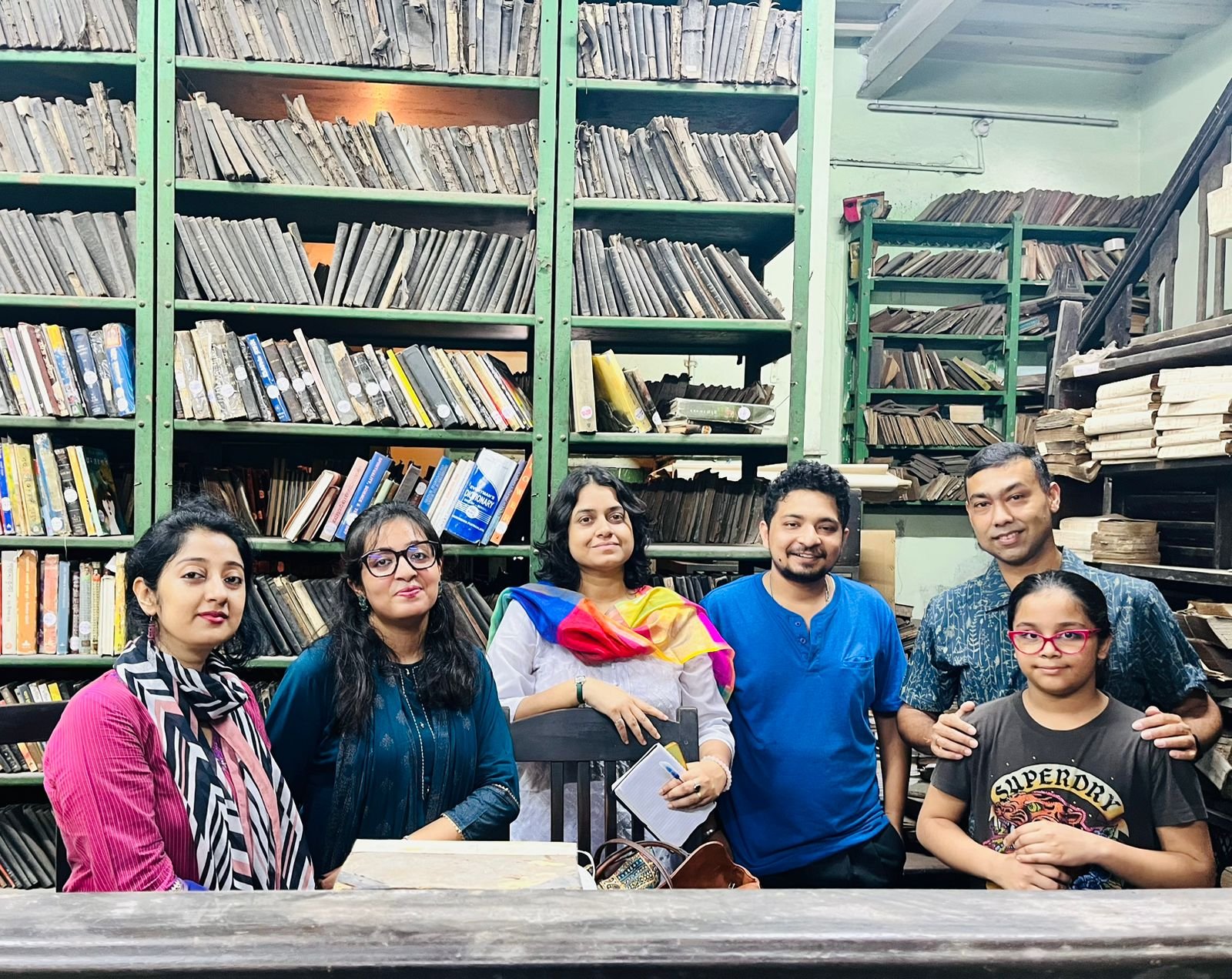
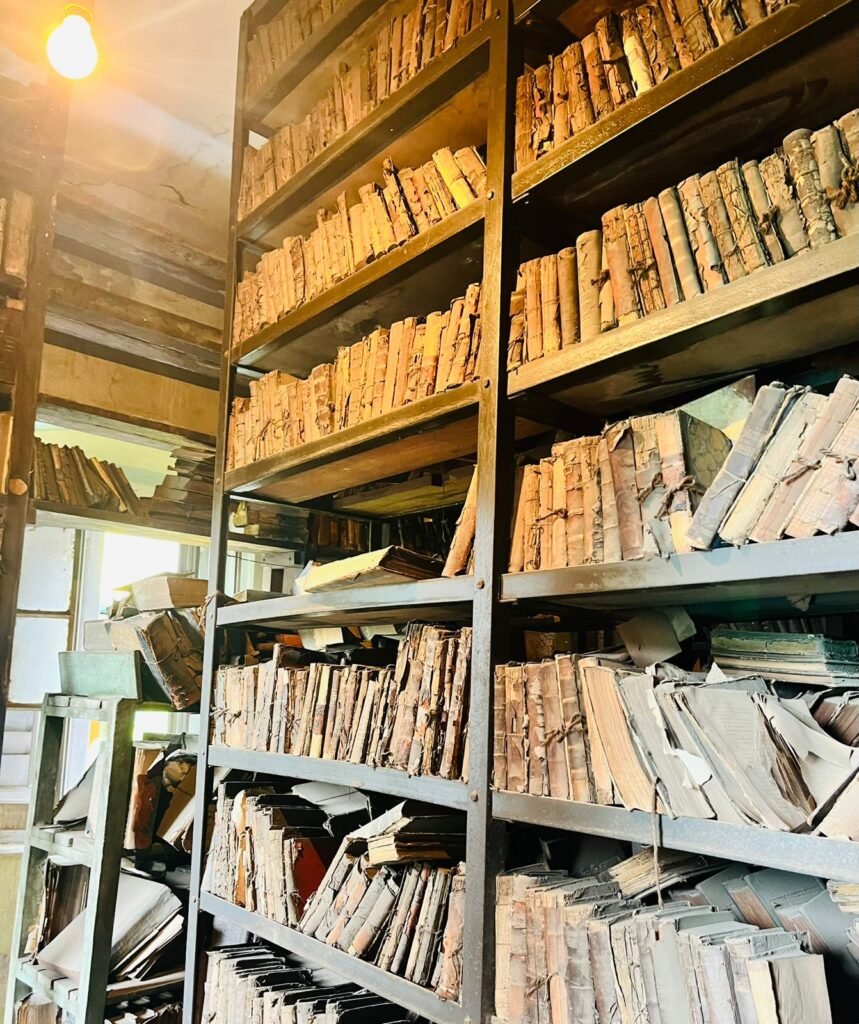
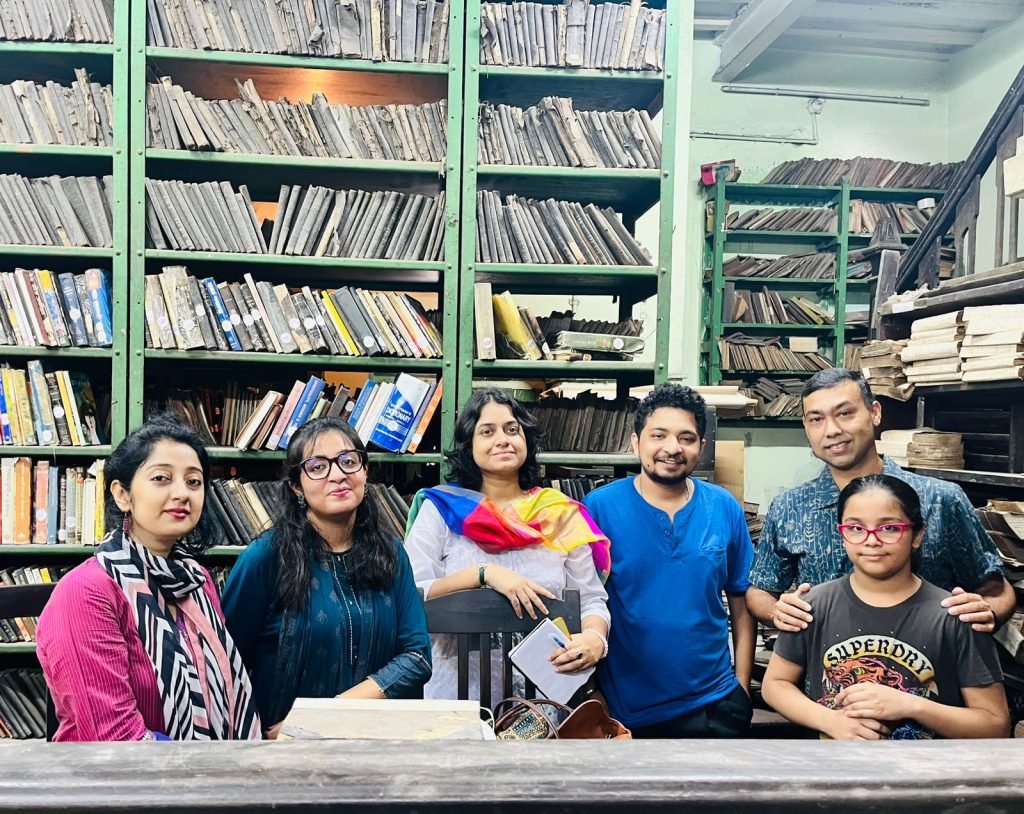
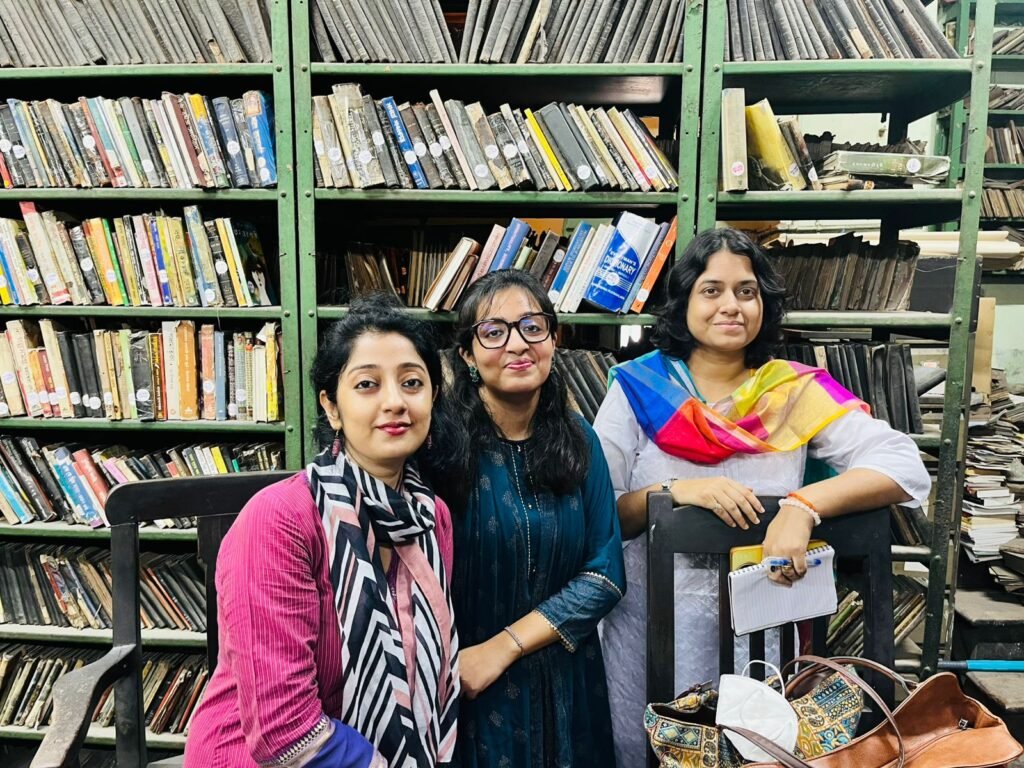
Reviving Bengal’s Intellectual Heritage: IHAR West Bengal Chapter Undertakes Detailed Survey of Chaitanya Library in Kolkata


articles
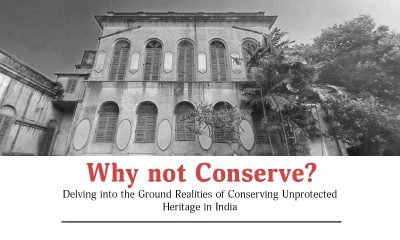
Why not Conserve? Delving into the Ground Realities of Conserving Unprotected Heritage in India


Events4 weeks ago
IHAR participation in Shakthi Kumbh 2026

articles2 months ago
Why not Conserve? Delving into the Ground Realities of Conserving Unprotected Heritage in India

articles2 months ago
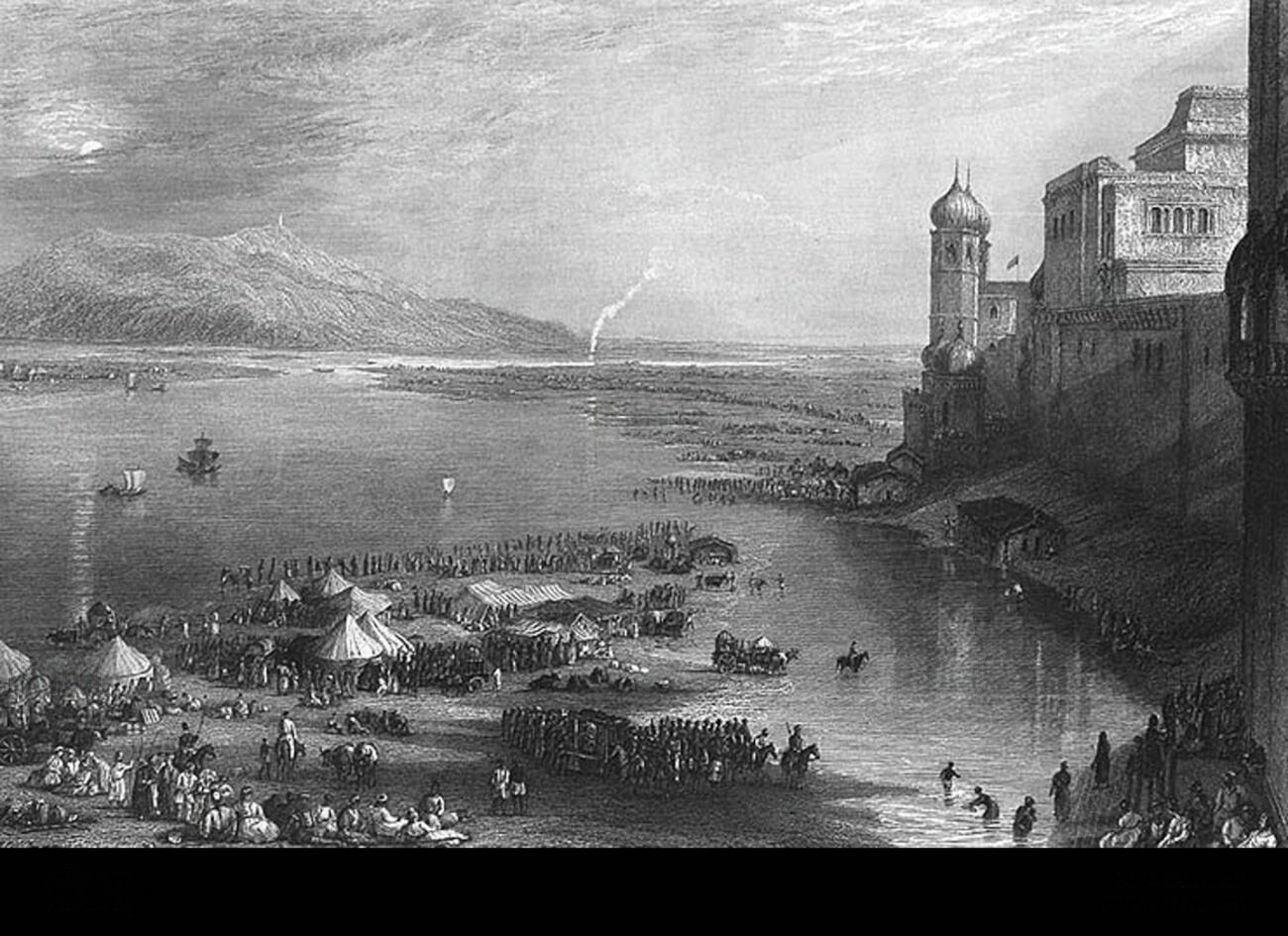
Prayagraj and Its Sacred Glory (Prayāga Māhātmya)

articles2 months ago
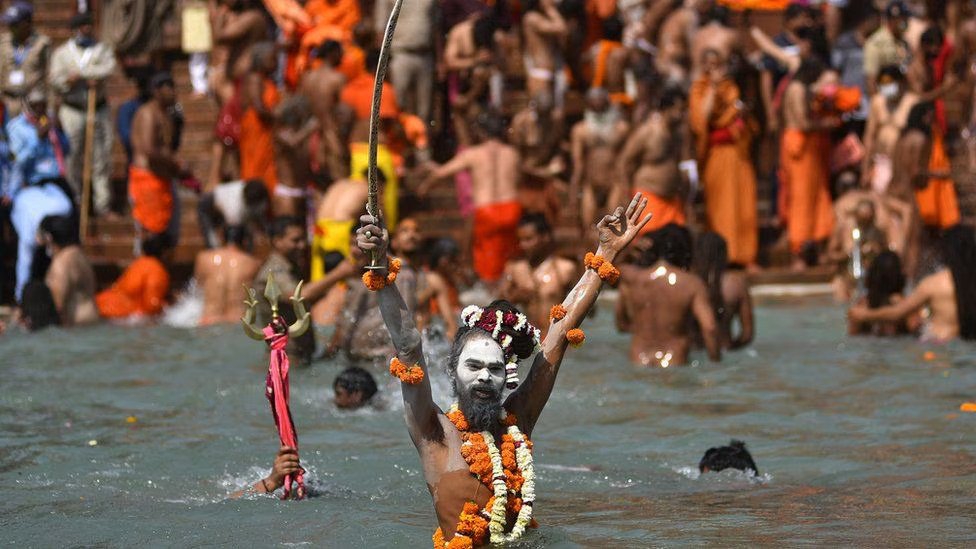
Sangam and Kumbh Mela in Bengal: The Sacred Legacy of ‘Dakshin Prayag’ Tribeni

articles2 months ago
The Trail of Omkari : A Spiritual Corridor of Bangla Shaktipeeths

Events2 years ago
Bharat Varsh – A Cradle of Civilzation – Panel Discussion

Videos3 years ago
Bringing our Gods back home – A Conversation with Shri Vijay Kumar

Events12 months ago
Bengal’s Glorious and Diverse Heritage- Traditions and Festivals – Panel Discussion
Videos11 years ago
Panel Discussion on Sati

Events11 months ago
Panel Discussion: Heritage of Firebrand Revolutionaries – Bengal The Seedbed of Revolution

Videos11 months ago
Debugging the wrong historical narratives – Vedveery Arya – Exclusive podcast

Videos3 years ago
The Untold History Of Ancient India – A Scientific Narration

Videos3 years ago
Some new evidence in Veda Shakhas about their Epoch by Shri Mrugendra Vinod ji

Videos3 years ago
West Bengal’s textbooks must reflect true heritage – Sahana Singh at webinar ‘Vision Bengal’
Videos3 years ago
Bringing our Gods back home – A Conversation with Shri Vijay Kumar
-
 Events2 years ago
Bharat Varsh – A Cradle of Civilzation – Panel Discussion
-
 Videos3 years ago
Bringing our Gods back home – A Conversation with Shri Vijay Kumar
-
 Events12 months ago
Bengal’s Glorious and Diverse Heritage- Traditions and Festivals – Panel Discussion
-
Videos11 years ago
Panel Discussion on Sati
-
 Events11 months ago
Panel Discussion: Heritage of Firebrand Revolutionaries – Bengal The Seedbed of Revolution